Author: Huang Publish Time: 18-06-2026 Origin: Site


If you sell LED fixtures, IP ratings aren’t “nice-to-know.” They’re one of the fastest ways to prevent avoidable returns, corrosion failures, and warranty friction—especially when a product crosses from indoor to outdoor use.
This guide compares IP20 vs IP44 vs IP65 vs IP67 in plain, spec-accurate terms, then translates the numbers into practical selection rules (with examples geared toward outdoor LED floodlights).
The IP rating for LED lights is defined in IEC 60529. It uses two digits:
First digit = protection against solid objects / dust
Second digit = protection against water
A quick reminder that matters in procurement: the two digits measure different hazards. A higher water digit doesn’t automatically mean better dust protection (and vice versa).
According to the IEC 60529 overview in Wikipedia’s IP code reference (updated 2026), the two-digit format is the standard way to specify enclosure ingress protection.
Use this table as a spec shortcut. Then read the sections below for the real-world caveats that prevent bad assumptions.
Rating | Solid protection (1st digit) | Water protection (2nd digit) | Typical use (lighting) | What it’s NOT for |
|---|---|---|---|---|
IP20 | “2” = protected against fingers/objects >12.5 mm | “0” = no water protection | Dry indoor areas (offices, corridors, retail) | Any damp zone, splashes, rain, condensation-prone installs |
IP44 | “4” = protected against objects >1 mm | “4” = splashing water | Damp indoor areas; sheltered outdoor under deep eaves | Direct rain exposure on open walls; cleaning jets |
IP65 | “6” = dust-tight | “5” = water jets | Outdoor general exposure; dusty sites; rain + wind + spray | Temporary immersion / pooling water; high-pressure washdown |
IP67 | “6” = dust-tight | “7” = temporary immersion | Flood-prone areas; ground-level installs where water can pool | Continuous submersion (that’s typically IP68, per product spec) |
Pro Tip: If a spec only says “waterproof” with no IP code, treat it as incomplete. Ask for the exact IP rating and test standard.
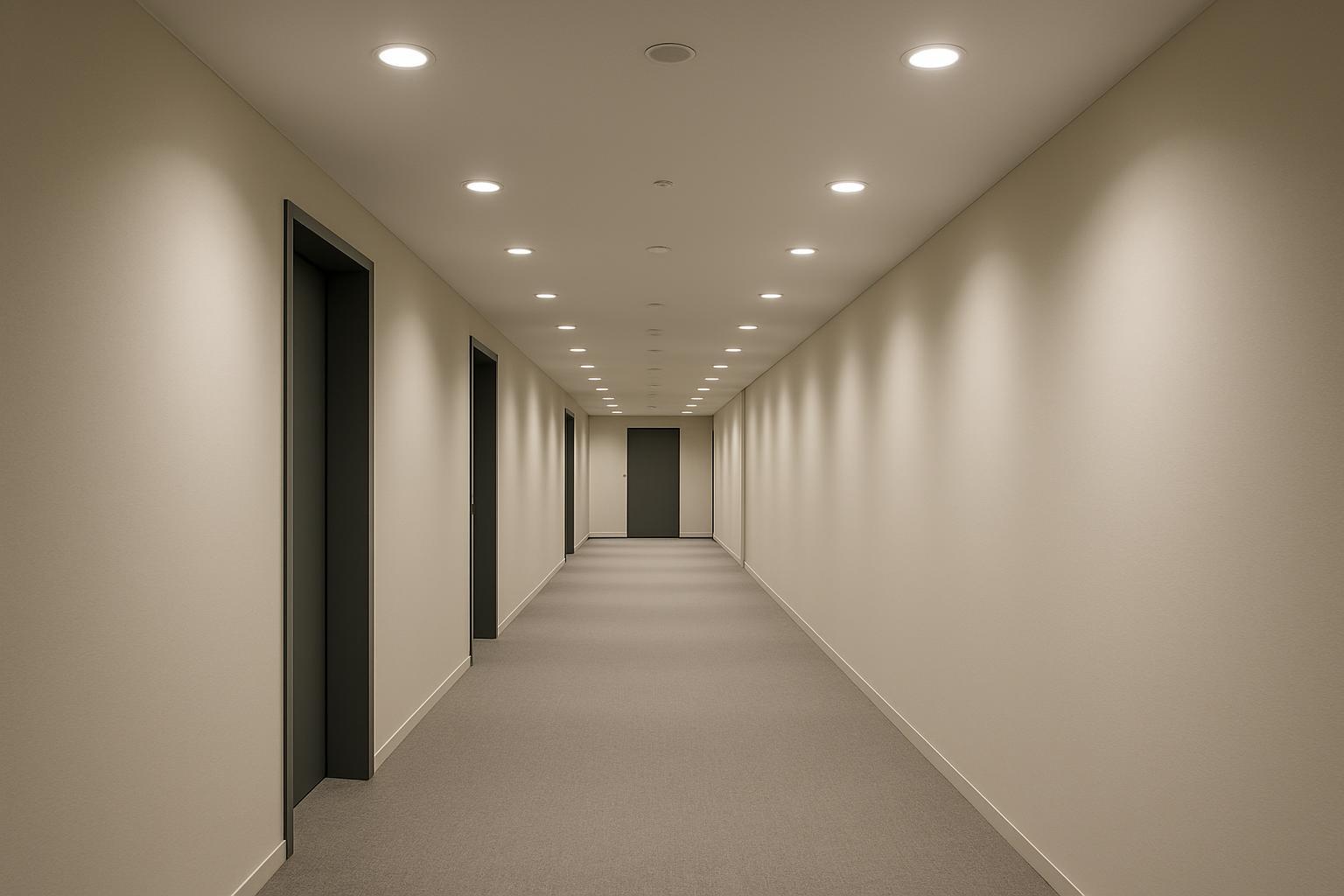
IP20 gives basic protection against finger contact but no water protection. It’s fine for dry, climate-controlled spaces. It’s a bad bet for:
bathrooms and wash areas
near entrances exposed to wind-driven mist
outdoor soffits with condensation cycles
If you need a practical indoor/damp framing, KEOU has a related guide on IP20 vs IP54 vs IP65 for offices, corridors, and damp areas.
IP44 is the classic “damp location” rating.
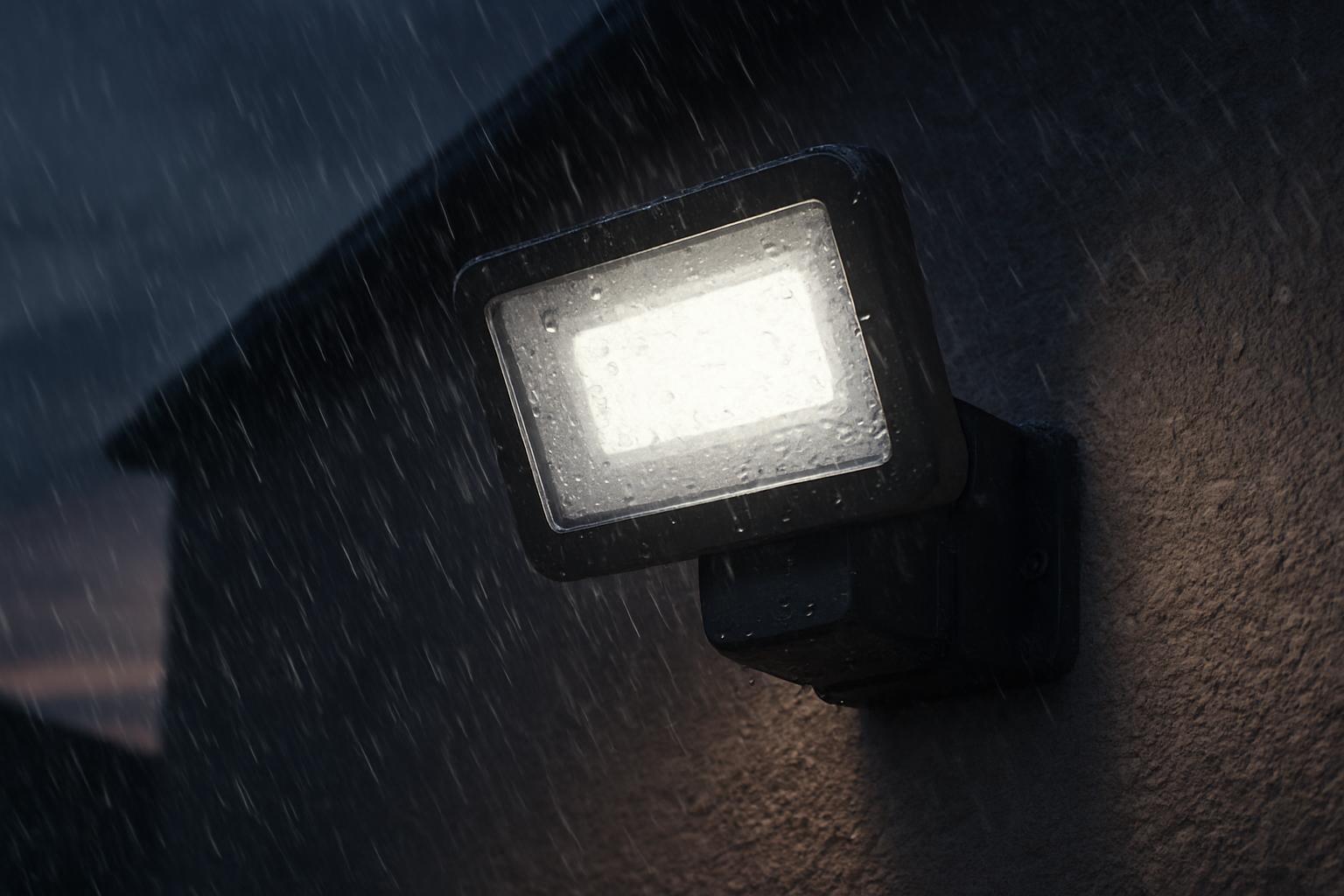
In the real world, wind-driven rain and installation orientation can turn “splash” into sustained exposure at seams and cable entries. That’s why IP44 is often best reserved for:
sheltered outdoor locations (deep overhangs)
indoor areas where splashes happen but jets don’t
For outdoor lighting, the step change happens at dust-tight (6) plus water jets (5).
Multiple practical explainers frame IP65 as a solid baseline for outdoor fixtures exposed to rain and spray. For example, Clarion UK’s IP ratings guide explains the general mapping between IP digits and real-world exposure types.
This is where distributor risk shows up. A buyer sees “IP65” and assumes it covers every outdoor situation. It doesn’t.
If you want the shortest version: IP65 vs IP67 outdoor lighting comes down to jets vs temporary immersion—and whether pooling/flooding is plausible at the install site.
IP65 is generally appropriate when:
the floodlight is pole- or wall-mounted
water does not collect around the housing
the site is exposed to rain, snow, and dust, but not flooding
In other words: rain + wind + dust is the IP65 job.
If you’re building a full floodlight spec, KEOU’s LED floodlight buyer’s guide pairs ingress protection with other selection factors (drivers, photometrics, and procurement considerations).
IP67 is justified when:
floodlights are installed low to grade
water can pool around the fixture body
flooding or temporary submersion is realistically possible
the install is in landscaping zones with heavy irrigation and poor drainage
A useful plain-English comparison is the Access Fixtures explainer on IP65 vs IP66 vs IP67, which highlights that immersion is a different test category than jets.
⚠️ Warning: Don’t treat “higher IP” as an automatic upgrade. If the real failure path is condensation or a poor cable gland, IP67 won’t save an installation.
IP ratings cover dust and water only. They do not cover impact, vandalism, or ball strikes.
If a site has realistic impact risk (sports areas, public parks, low-mounted fixtures), you should also specify IK rating.
In practice, outdoor failures often start at:
cable entry / cable gland
connector mating surfaces
lens-to-housing gasket
breathers/vents (used to manage pressure and moisture)
A common procurement mistake is specifying the luminaire IP rating but ignoring the cable/connector system. If the connector isn’t matched, the assembly is only as strong as its weakest seal.
Even with a high IP rating, moisture can enter as humid air and then condense when temperatures swing.
That’s why distributor-grade evaluation should consider enclosure design, thermal management, and installation orientation—not just the printed IP code.
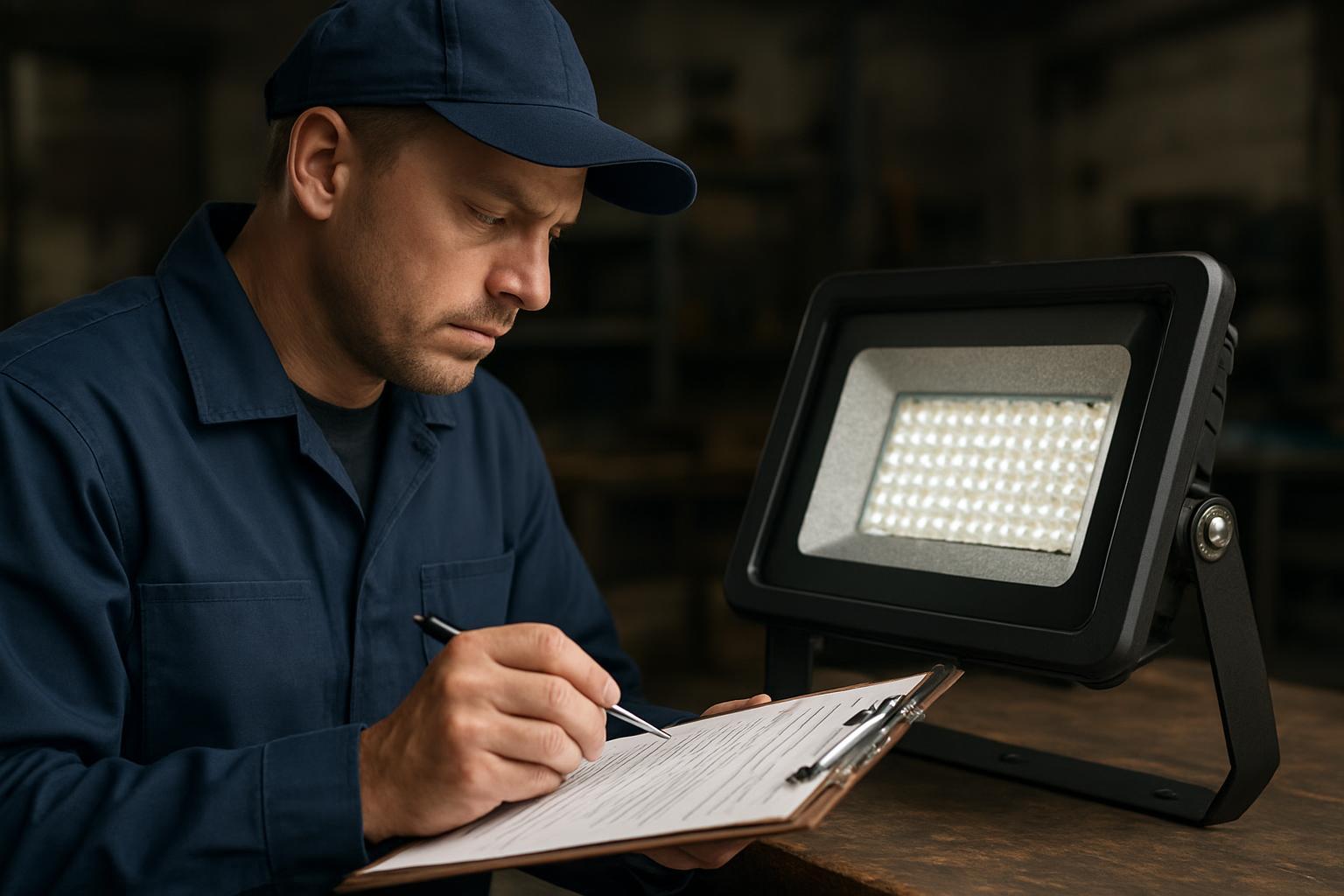
Use this as your pre-quote checklist before you lock an IP rating into a BOM.
Confirm the actual exposure
rain only?
splash from sprinklers?
cleaning jets?
pooling water / flood risk?
Confirm the full ingress system
luminaire IP rating
connector/cable IP rating (if applicable)
cable gland type and installation method
Confirm failure-mode details that matter in the field
gasket material and replacement/serviceability
any vent/breather approach (if used)
mounting orientation guidance (does water sit on seams?)
Document what you’re assuming
“IP65 chosen for rain and wind-driven spray; no immersion expected.”
“IP67 chosen because temporary immersion is possible.”
KEOU’s outdoor lighting specs and compliance checklist is a good companion if you’re packaging a full outdoor spec (IP/IK plus documentation expectations).
Sometimes—but only when the fixture is in a truly sheltered location and won’t see sustained wind-driven rain or cleaning jets. If the fixture is openly exposed, IP65 is usually the safer baseline.
IP65 is defined as protection against water jets, but cleaning practices vary widely (pressure, distance, angle). If a site uses aggressive washdown, you may need a higher water digit than “5” (often IP66 or beyond), depending on the environment and maintenance method.
For context on test categories, Applus+ Keystone’s lab overview of IPX5/IPX6 water jet testing summarizes how “jets” are treated as a defined test condition.
Only when the risk includes temporary immersion/pooling. For many pole- and wall-mounted floodlights, IP65 is appropriate. Over-specifying IP67 can increase cost without addressing the actual failure path (often cable entry or condensation).
If you’re using “waterproof rating” as shorthand, make it concrete: decide whether the site needs splash resistance, jets, or temporary immersion.
As a practical baseline, many outdoor projects treat IP65 as the minimum waterproof rating for LED floodlight installations exposed to rain and dust. Move to IP67 when temporary immersion or pooling water is realistic.
No. IP67 is a test category (temporary immersion under defined conditions). Long-term performance still depends on gasket quality, UV exposure, thermal cycling, corrosion resistance, and installation quality.
If you’re finalizing an outdoor floodlight BOM and want to avoid returns:
Define the exposure (rain vs splash vs jets vs temporary immersion)
Specify the full ingress system (fixture + connector/cable entry)
Align IP rating with the real failure mode
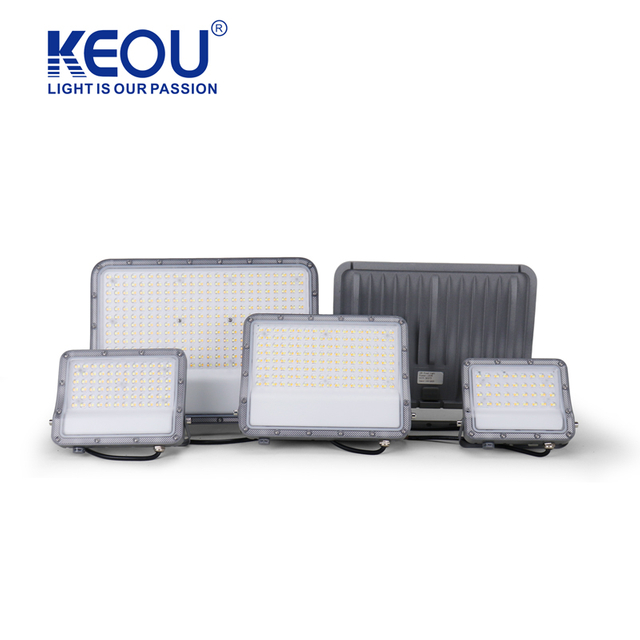
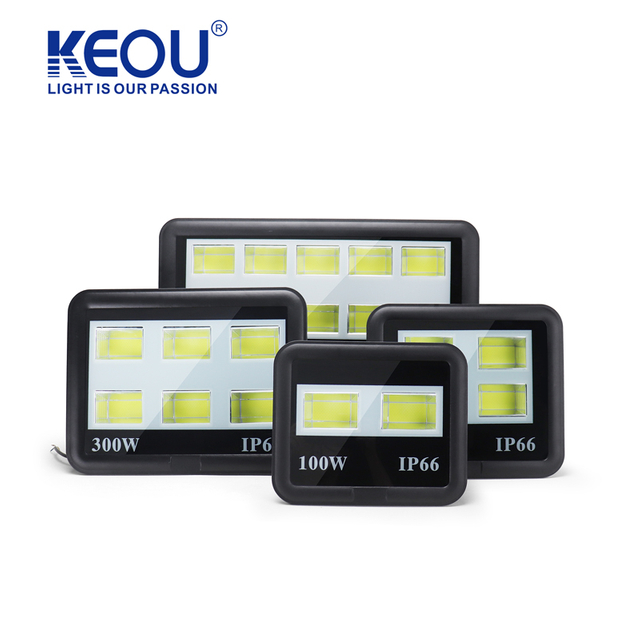
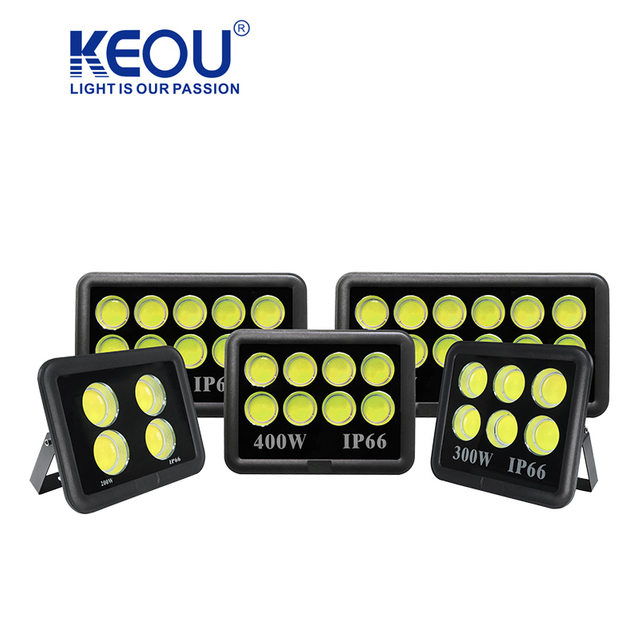
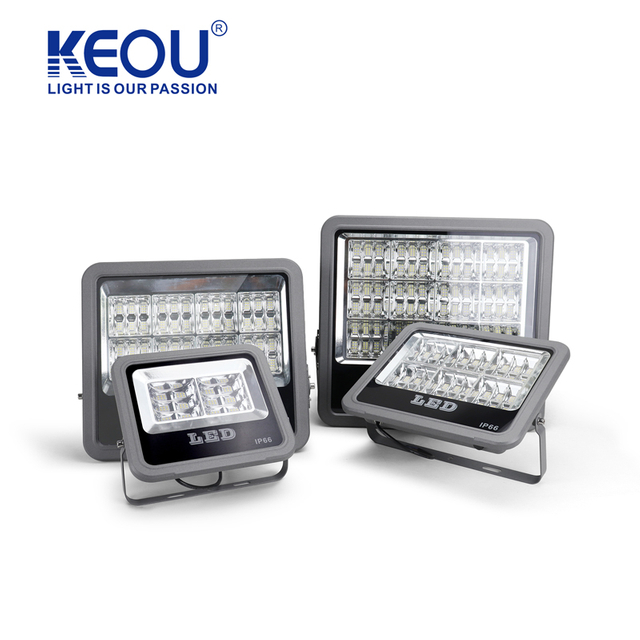
If you want a fast spec check, KEOU Lighting can review your application details and recommend the right ingress protection level for your project. Start by sharing your mounting height, environment notes (rain/salt/spray), and whether pooling/immersion is possible, then reference KEOU’s outdoor LED floodlights for the product family you’re sourcing.