Author: Site Editor Publish Time: 10-06-2026 Origin: Site


Distributors are seeing a familiar pattern in 2026: more projects are moving from “we need lights” to “we need a submittal pack that passes tender review on the first try.” Demand is rising, but so is the cost of a wrong SKU—returns, retrofit failures, and compliance delays hit margins fast.
This guide focuses on four high-volume categories—LED street & roadway lights, area/site/parking lot lights, floodlights, and wall packs/outdoor bulkheads—and answers two questions a category manager actually needs:
Where is demand growing in 2026 (by market/region) and why?
What products and requirements are buyers specifying—especially in EU/UK and the Middle East (KSA/UAE)?
If you’re here to standardize your spec sheets, jump to the sections on outdoor LED lighting procurement requirements and compliance documentation.
Across most regions, the drivers are consistent:
Infrastructure buildout and modernization (roads, public spaces, industrial zones)
Smart city and connected-lighting rollouts (controls-ready luminaires and network nodes)
Energy-efficiency upgrades and replacement cycles (LED + controls replacing legacy fixtures)
Market outlook coverage repeatedly ties outdoor lighting growth to infrastructure upgrades and smart-city deployment (see the demand framing in Market Research Future’s outdoor lighting market outlook (2026)).
A related procurement signal: in the U.S., rebate ecosystems continue to push higher-efficiency luminaires and controls adoption (see BriteSwitch’s commercial lighting rebate trends for 2026).
What’s different in 2026 is procurement behavior: more bids include controls readiness, documentation completeness, and durability verification—not just lumens and watts.

No list is perfect (projects are local, and budgets shift). But for distributors building a 2026-ready catalog, these are the markets and regions most frequently associated with increased outdoor lighting activity in industry market coverage and smart-city retrofit narratives:
Many market outlooks highlight APAC as a major growth contributor, with demand tied to infrastructure and urban development programs (e.g., regional framing in Technavio’s outdoor landscape lighting market outlook (2026)).
Note: Some market-report landing pages change over time or may require access; treat them as directional context rather than a hard tender requirement.
Common product mix
Street/roadway luminaires for municipal roads and connectors
Area/site luminaires for campuses, logistics parks, and industrial yards
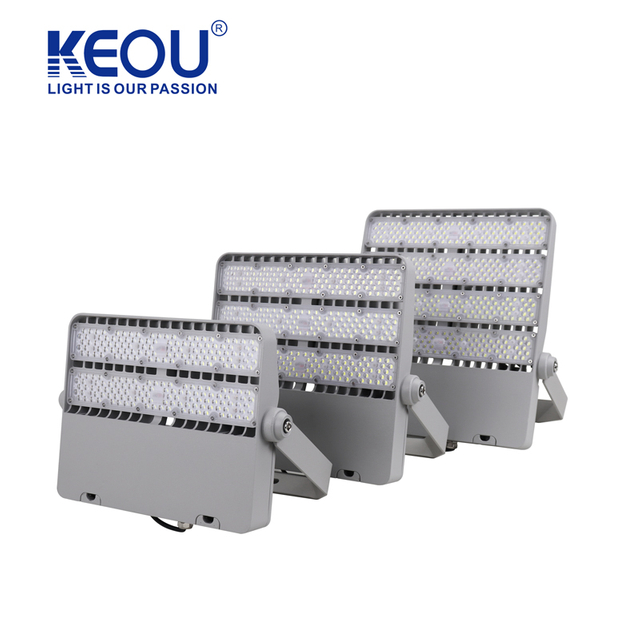
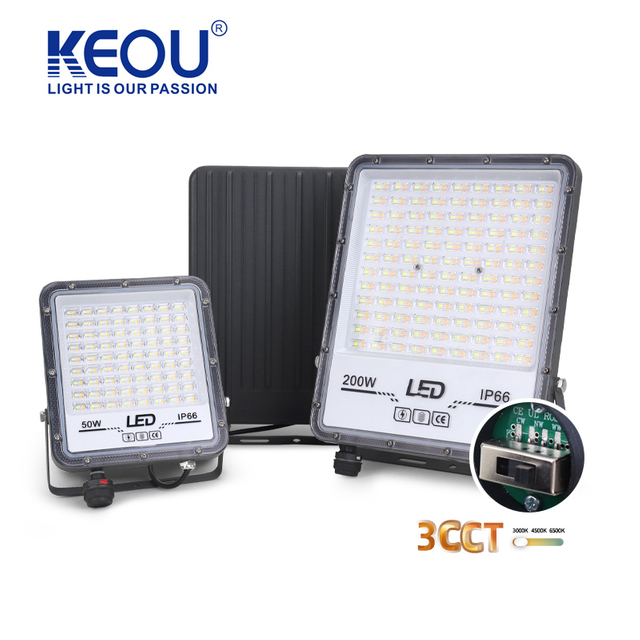
Floodlights for industrial facades and multi-use grounds
The replacement cycle is still running, and rebate/efficiency program dynamics keep pushing LED + controls. As one example of the regional framing, Mordor Intelligence’s North America outdoor LED lighting market report (2026) emphasizes smart-city and efficiency upgrade drivers.
Common product mix
Area/site lighting for parking, distribution centers, and campuses
Street lighting upgrades (often controls-ready)
Wall packs for perimeter/security upgrades
In Europe, energy-efficiency and product compliance expectations shape procurement heavily, and tender documentation tends to be strict. For a practical orientation to what CE-related documentation typically includes for LED lighting, see Compliance Gate’s overview of EU LED lighting compliance (2024).
Common product mix
Street/roadway luminaires with glare control and photometric proof
Area/site luminaires for commercial estates and public spaces
Floodlights for sports and industrial compounds (durability-driven)
Gulf markets combine large-scale development with climate-driven durability requirements (heat, dust). They also add market-entry conformity steps (country-specific).
For Saudi market-entry framing and the conformity route language that often appears in supplier conversations, see ZGSM guide to SASO/SABER certification for LED street & flood lights (2026).
Common product mix
Street and area luminaires for roads, sites, and new developments
Floodlighting for venues, yards, and architectural facades
Wall packs/bulkheads for perimeter lighting and service areas
Key Takeaway: In most 2026 “growth” markets, demand is real—but the win/loss is often decided by documentation completeness (photometrics + compliance pack) and outdoor robustness proof (IP/IK, surge, thermal design), not marketing claims.
Distributors tend to win more bids when SKUs are mapped to the jobsite question the buyer is asking.
Where they sell: municipal roads, industrial park roads, connectors, secondary highways, community roads.
What specifiers care about: distribution pattern, glare control, uniformity, controls readiness, surge robustness.
Where they sell: parking lots, campuses, logistics parks, industrial yards, retail exteriors.
What specifiers care about: the right forward throw, mounting heights, corrosion resistance, and the ability to hit target lux levels without hot spots.
Where they sell: perimeter security, yard lighting, facades, loading zones, sports and multi-use grounds.
What specifiers care about: beam control, high-IP housing, impact resistance where relevant, and stable output under heat.
Where they sell: building perimeters, entries, service corridors, stairs/exits, back-of-house safety.
What specifiers care about: cutoff/glare control near properties, IP rating, sensor/photocell control options, and consistent drivers.

Below is the short list you’ll see across many tenders and engineering schedules. Treat these as starting points—final thresholds vary by project owner and climate.
In other words: if you want fewer bid rejections in 2026, standardize your outdoor LED lighting procurement requirements the same way you standardize SKU naming and carton labels.
Outdoor buyers commonly specify IP65 or higher for dust/water ingress protection, and often pair it with an IK impact rating when vandalism or impact risk exists. (See the way IP/IK are discussed in outdoor luminaire selection guidance such as ZGSM’s IP rating guidance for street/flood fixtures (2026).)
Surge protection is frequently demanded as an integrated requirement for roadway and area luminaires. Distributors should treat surge protection as a line item in the datasheet, not an afterthought.
Across many markets, buyers filter for efficiency and controllability. Some market commentary treats higher efficacy thresholds as a procurement driver (directional framing in Global Market Insights outdoor lighting market analysis (2025–2026)).
If you’re building a tender-friendly spec sheet, this is where the basics belong: IP rating, surge protection, photometrics, controls readiness, and documented compliance.
Also expect photometric proof requirements:
IES/LDT files
photometric test report
distribution curves
Street and area lighting specs frequently emphasize cutoff/glare control and distribution quality, because the objective is usable illumination, not raw lumens.
A growing share of projects expect fixtures to support controls (photocell, dimming, and increasingly network nodes). This is consistent with the smart-city framing highlighted in industry market outlooks.
If your catalog targets smart-city bids, make sure your supplier can support the connector standards your market uses (and can document compatibility clearly).

This is where many bids fail: the product might be fine, but the paperwork is mismatched, missing, or not traceable to the exact model.
For EU-market placement, the compliance story typically includes:
CE-related compliance evidence (usually via a Declaration of Conformity plus technical documentation)
RoHS evidence
ErP/Ecodesign-related requirements where applicable, especially around energy and product information obligations
For a practical overview of EU LED lighting compliance documentation, see Compliance Gate’s overview of EU LED lighting compliance (2024). For the official regulatory framing on ecodesign rules, see the European Commission overview of ecodesign rules for light sources (2024).
If you write bids in this region, treat this section as your baseline for CE RoHS ErP outdoor LED luminaires documentation planning (then adjust per the specific tender schedule).
In Saudi Arabia, the conformity route is commonly discussed through SASO/SABER processes and may require specific certificates/registrations tied to model/SKU.
A distributor-facing way to think about it:
EU/UK tends to focus on “prove conformity to directives/standards”
KSA/UAE often adds “prove registration/certification through the country’s platform for this model”
For a directional checklist of SABER documentation items, see the PCAS SABER certificate documentation checklist (2026). If you need a high-level primer on the Saudi conformity route language that appears in lighting discussions, see the ZGSM guide to SASO/SABER certification for LED street & flood lights (2026).
This is the practical core of SASO SABER LED lighting requirements: model-traceable paperwork, not generic certificates.
⚠️ Warning: Treat “same product, different label” as a red flag. For tenders, the model number on test reports and compliance documents needs to match what you’re offering.
If you want fewer bid rejections and fewer technical back-and-forth loops, standardize a submittal pack that includes:
Datasheet (electrical + optical + mechanical ratings, options, and ordering code)
Photometrics: IES/LDT + photometric report
IP/IK evidence (test report or accredited lab statement)
Surge protection statement (rating and test basis)
Compliance documents (market-specific)
EU/UK: Declaration of Conformity + RoHS statement + ErP-related info where applicable
KSA/UAE: SASO/SABER and/or ESMA/ECAS documentation as required by the project and country
Installation manual + label/marking photos
Warranty terms + after-sales process (RMA flow, lead times for spares)
When you’re positioning a supplier for EU/UK and Middle East bids, ask questions that reduce risk:
Can they provide a model-traceable compliance pack (documents tied to the exact SKU)?
Can they deliver IES/LDT files and support lighting design requests quickly?
Do they offer configurable optics and CCT options that map to different tenders?
Do they have a clear plan for controls compatibility (and will they document it)?
Vague certifications (“CE approved” with no DoC/test basis)
Photometrics “available later” (delays bid submission)
No clarity on surge protection, IP/IK test basis, or operating temperature limits
Warranty promises without a documented after-sales process
If you’re building a tender-ready outdoor catalog and you want an OEM/ODM partner to support bid submittals, KEOU positions itself as a manufacturer with customization capability.
For product-category proof on the site, see:
KEOU Lighting (brand overview)
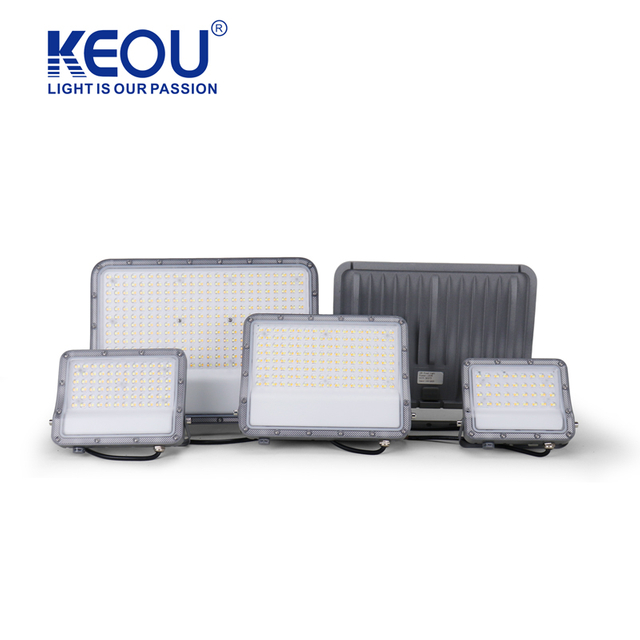
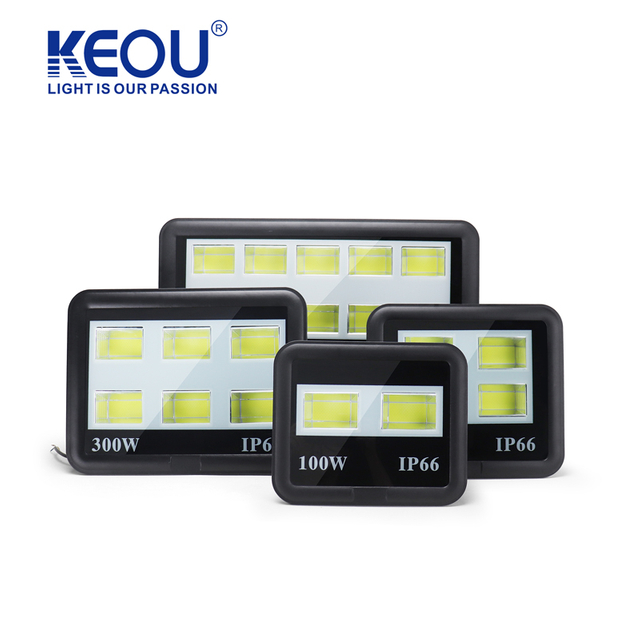
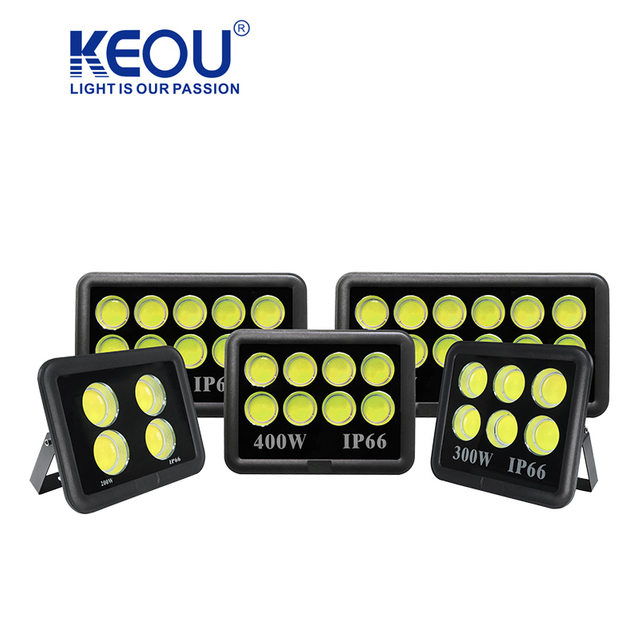
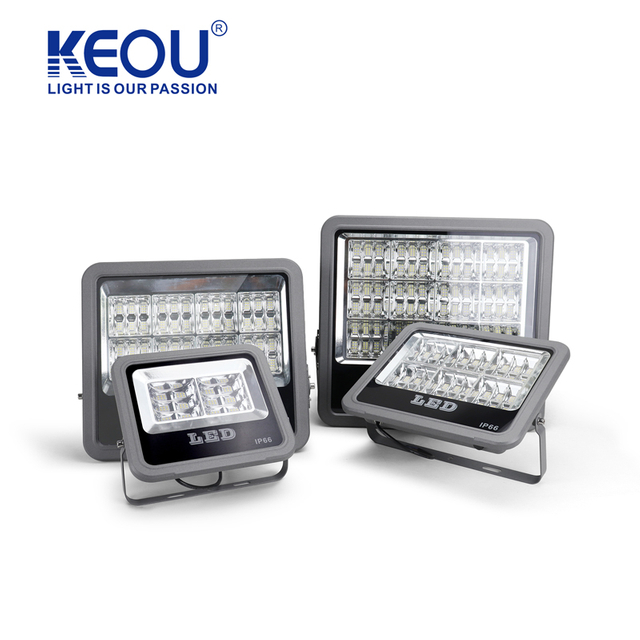
KEOU LED flood lights (COB/SMD/DOB series) — for reference models and series positioning.
And for scenario-based product framing, you can reference KEOU’s guide to commercial outdoor LED lighting options by scenario.
If you want, share one of the following and we’ll map it to a distributor-ready submittal pack:
Your target market (EU/UK, KSA, UAE, or mixed)
The fixture type (street, area, flood, wall pack)
A short BOM or tender schedule
Then we can confirm which optics, IP/IK level, controls interface, and compliance documents should be prepared for that bid.