Author: Huang Publish Time: 24-01-2026 Origin: Site


If you spec indoor lighting day in and day out, you’ve probably asked the same question your clients do: which IP rating is enough—and when do you have to step up? This guide gives electrical contractors and lighting designers a defensible way to choose between IP20, IP54, and IP65 for offices, corridors, and damp/condensation-prone areas. It focuses on LED fixtures, simple surface-mount or integrated-driver designs, cleaning and condensation considerations, and one neutral product example.

The IEC 60529 IP code has two digits: the first digit (0–6) rates protection against solids/dust; the second digit (0–9) rates protection against liquids. Higher numbers equal stronger protection in that category.
IP20 — Protected against fingers and solid objects ≥12.5 mm; no water protection. See Tameson’s consolidated IP definitions grounded in IEC 60529: Tameson IP rating chart and definitions.
IP54 — Limited dust ingress (no harmful deposits) and protection against splashing water from any direction (IPX4). See an IEC 60529 overview at Intertek: Intertek ingress protection overview (IEC 60529).
IP65 — Dust-tight and protected against low-pressure water jets (IPX5). Keystone Compliance summarizes the IP65 jet test parameters: Keystone IP65 test parameters.
| IP code | Solids protection | Water protection | Typical indoor use | Typical cleaning limits |
IP20 | Fingers/objects ≥12.5 mm; not dust-rated | None | Dry offices, meeting rooms, conditioned spaces | Dry or slightly damp cloth; no spray |
IP54 | Dust-protected; limited ingress | Splashing from any direction (IPX4) | Corridors, lobbies, stairwells with occasional splash or dust | Wipe-down; avoid hose/jets |
IP65 | Dust-tight (no ingress) | Low-pressure water jets (IPX5) | Damp/condensation-prone rooms; light washdown areas | Low-pressure rinsing per IEC 60529; verify chemical compatibility |
▉Note: Bathroom/wet-location zoning differs by jurisdiction. For U.S. framing, see NFPA/NEC guidance on dry, damp, and wet locations: NFPA/NEC damp/wet/dry discussion.

Before you pick a fixture, survey the space: exposure to moisture (none, splash, jet), airborne dust, cleaning method (dry wipe, spray, hose), and likelihood of condensation from temperature swings. Match the IP to the worst routine condition, not the best day.
Typical risks: occasional dust, no regular sprays, controlled HVAC.
Why IP20: Provides touch safety and is common for panel lights and downlights in conditioned offices.
Installation note: For LED panels, confirm whether the driver is integrated (in-body) or remote; integrated-driver surface-mounts simplify retrofit installs. See KEOU panel installation notes for mounting mechanics and wiring guidance: KEOU panel light installation guidance.
Cleaning: Dry or slightly damp cloth only. If the facility insists on spray cleaning, specify a higher IP for that space.
Typical risks: mop splash, door-driven airflow, light dust from adjacent areas.
Why IP54: Dust protection plus splash resistance covers routine corridor exposures; not designed for hose-downs or jets.
Fixture types: Surface-mounted bulkheads, linear battens, or IP-rated panel families with simple surface kits and integrated drivers to ease installation. KEOU’s panel family references IP54 options suitable for corridors and stairwells: KEY.
Cleaning: Wipe-down with damp cloths; avoid direct hose or jet cleaning. Train staff to avoid spraying near seams and glands.
Typical risks: persistent humidity, steam, condensation cycles (bathrooms, poorly ventilated basements, washdown adjacencies).
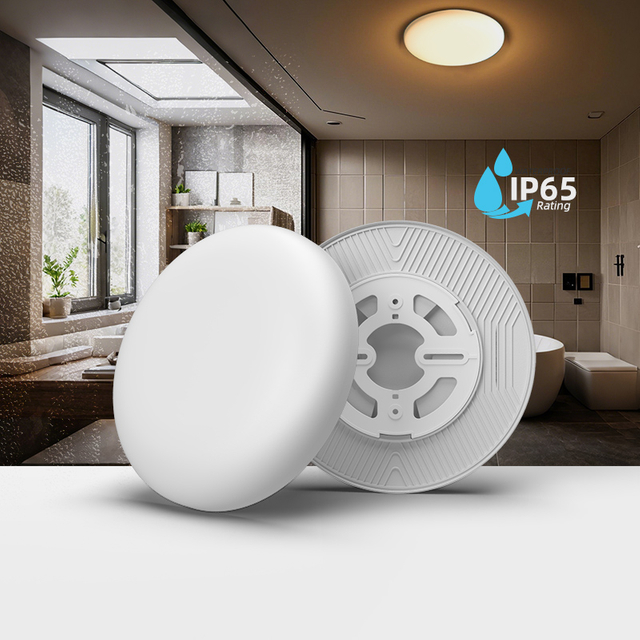
Why IP65: Provides dust-tight sealing and protection from low-pressure water jets—this typically correlates with more robust gaskets, glands, and sealed optics.
Installation checks: Verify gasket material, cable glands, and any pressure-equalizing vents or desiccant features. If high-pressure cleaning is expected, specify IP66–IP69K as needed by local SOPs or codes.
Cleaning: Low-pressure rinsing per IP65 test scope may be acceptable; always verify chemical compatibility with lens and seal materials.
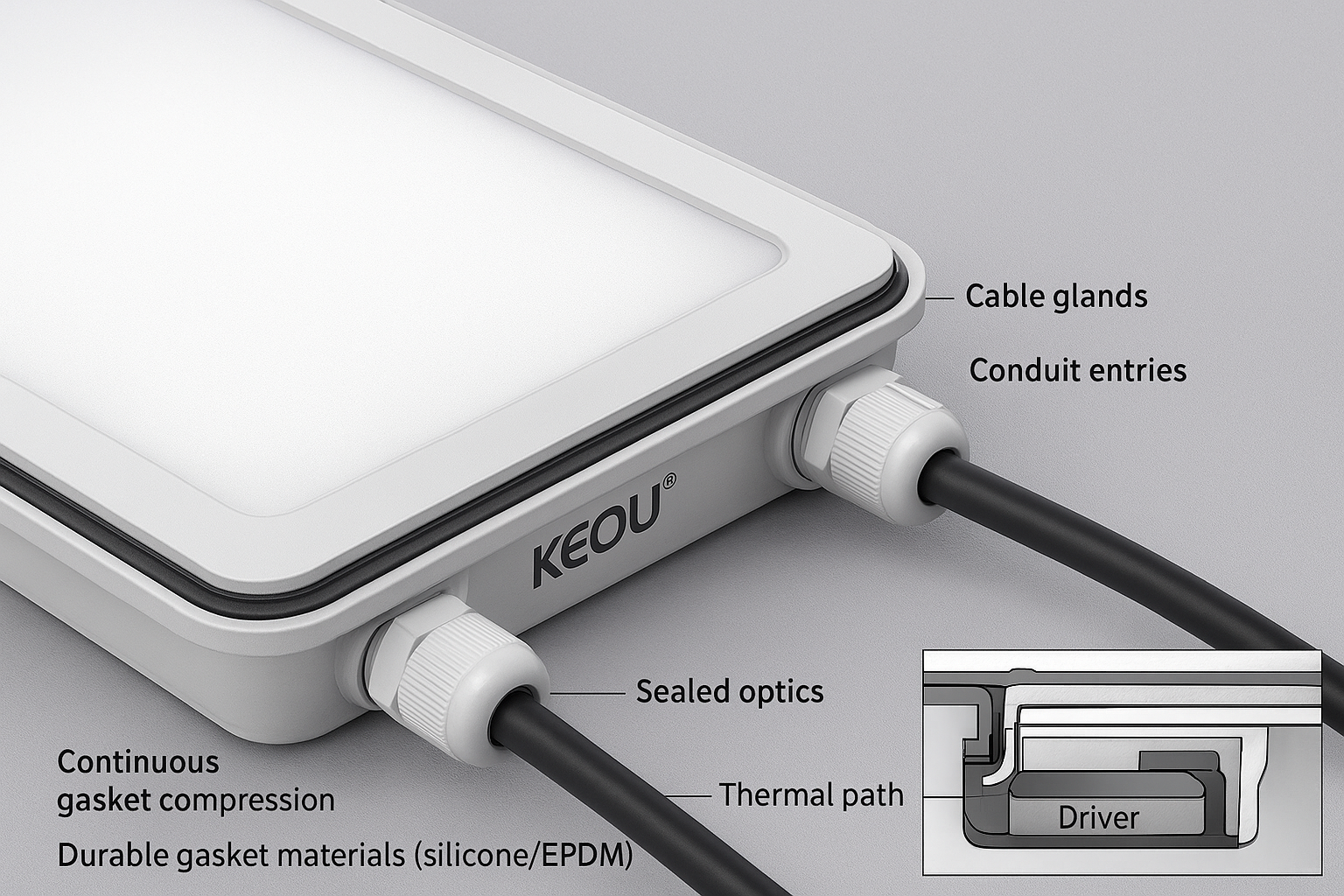
LEDs, optics, and drivers interact with enclosure design—check these items on submittals:
Driver location: Is the driver inside the luminaire or remote? If remote, ensure the driver location is suitably protected for the installed environment.
Thermal path: Fully sealed optics can increase junction temperature; confirm manufacturer thermal data for sealed assemblies.
Lens and gasket sealing: Continuous gasket compression and durable gasket materials (silicone/EPDM) are preferable to adhesive-only seals.
Cable glands and conduit entries: Verify gland IP rating, correct sizing, and installation torque; under-torqued glands are common ingress points.
Mounting interface: Surface kits and recessed frames must be shown to maintain the IP rating once installed.
For test scope context, see Intertek on IEC 60529 and Keystone for IP65 jet parameters: Intertek (IEC 60529) and Keystone IP65 details.
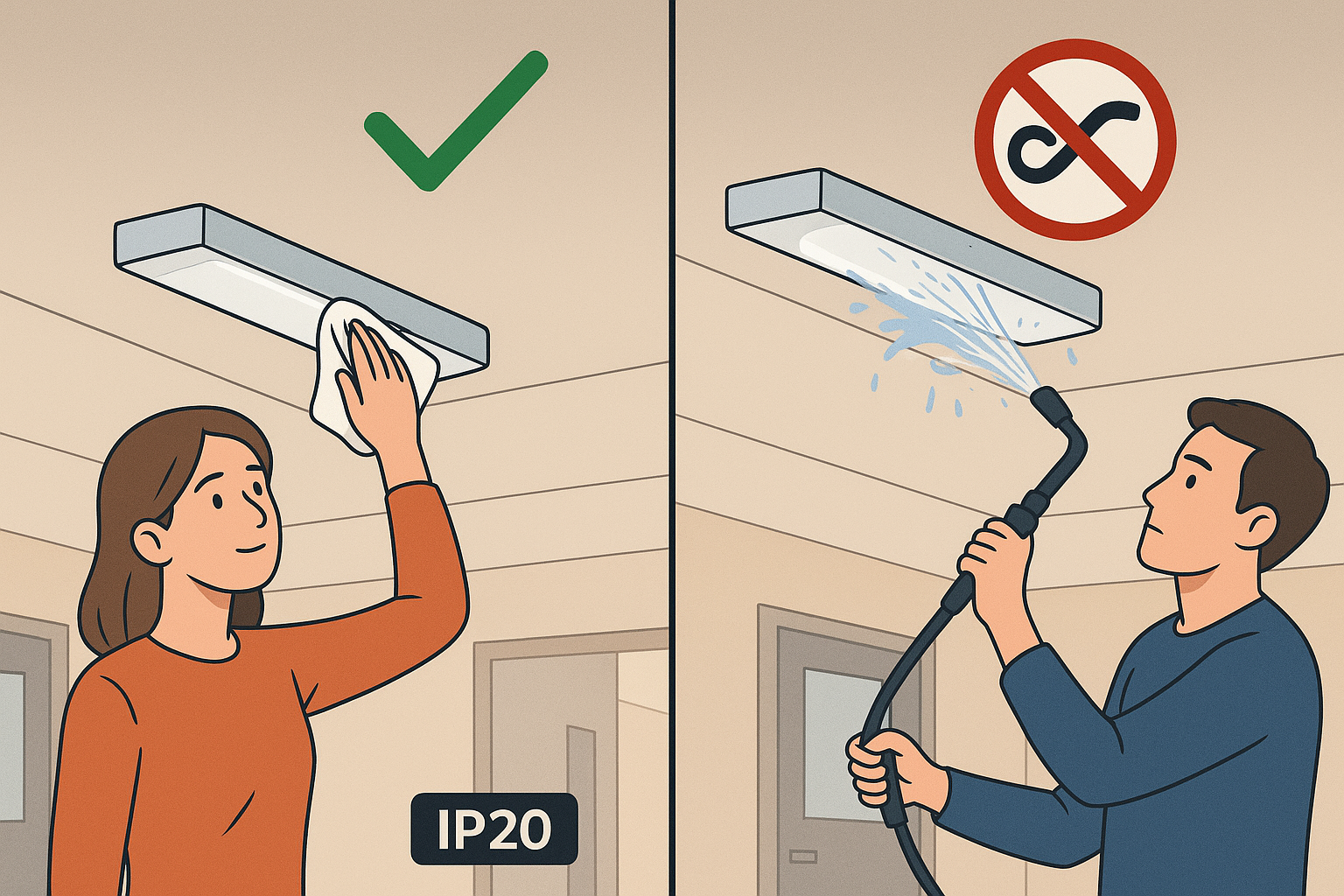
Do: Use dry or slightly damp cloths for IP20–IP44. For IP65, low-pressure rinsing may be acceptable within IEC 60529 test scope.
Do: Inspect gaskets and gland compression annually in damp areas; look for cracking or loss of compression.
Don’t: Assume IP65 protects against aggressive chemicals; check manufacturer guidance for cleaner compatibility.
Don’t: Aim high-pressure or hot jets at fixtures not rated to IP66/IP69K.
Improve ventilation and reduce rapid temperature swings.
Avoid mounting where water pools.
Prefer fixtures with pressure-equalizing vents, desiccants, or conformal coatings if condensation risk is high.
Useful background on IP limits and cleaning: LSI IP/IK guide.
Confirm the exact IP rating and that it references IEC 60529.
Confirm whether the rating covers the whole assembly as installed (including mounting kit and glands).
Verify gasket material, lens material (PC/PMMA), and gland specs.
Read installation steps for torque or seal-critical notes.
If condensation is likely, look for vents, desiccants, or conformal coating notes.
If the datasheet lacks clarity, request the manufacturer’s IP test report or installation addendum before acceptance.
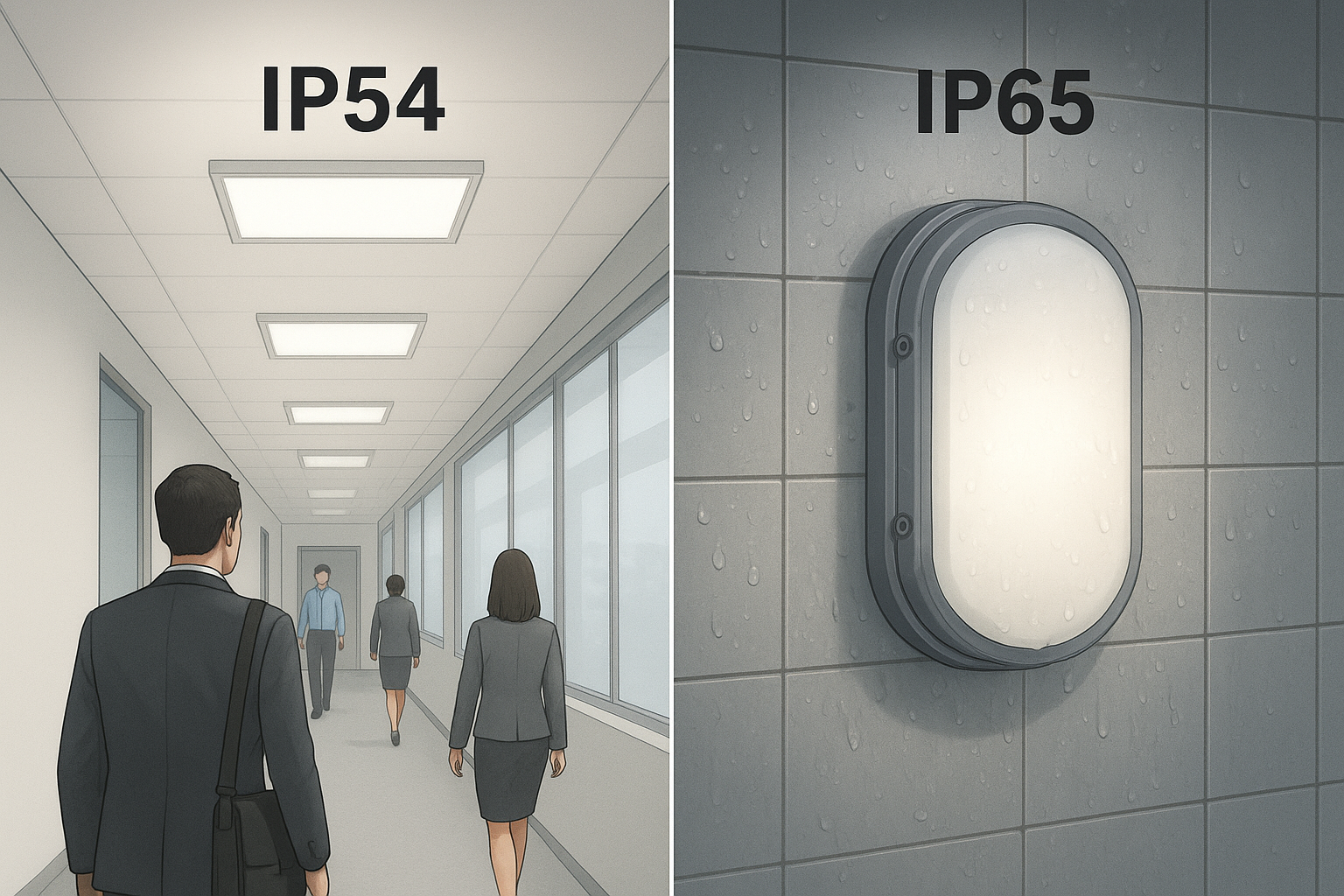
Typical spec: IP54-rated panel or bulkhead, LED source, surface-mounted with integrated driver.
KEOU reference: KEOU’s panel-light category lists IP54 panel options and motion-sensor panels suited for corridors and stairwells; see: KEOU panel light category.
Why this helps: Integrated-driver surface-mount panels simplify retrofit installs where plenum access is limited.
Required features: dust-tight optic sealing; IP-rated cable glands; IEC 60529 IPX5 test evidence; gasket material compatible with planned cleaners; installation kit that preserves the seal.
Process: Verify datasheet IP claim, request test evidence if cleaning/jet exposure is part of the SOP, and confirm mounting accessories preserve the rating.
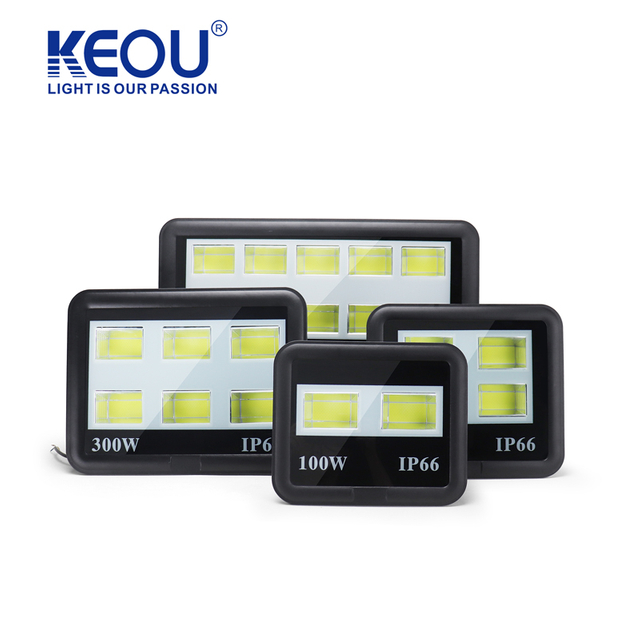
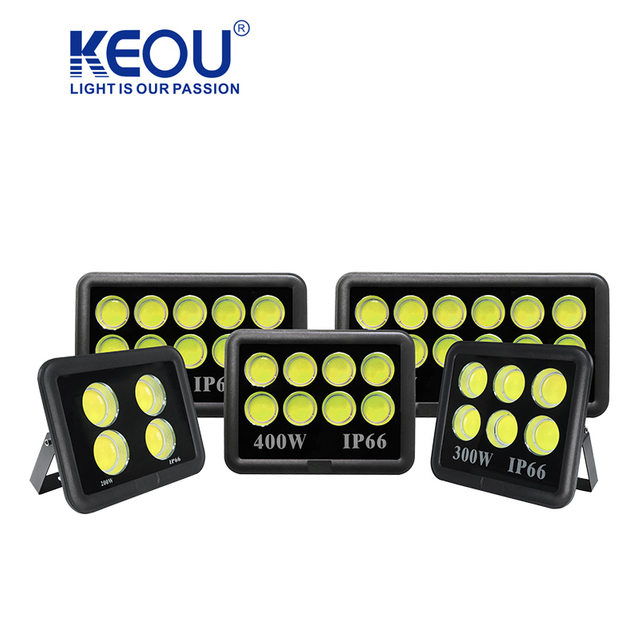
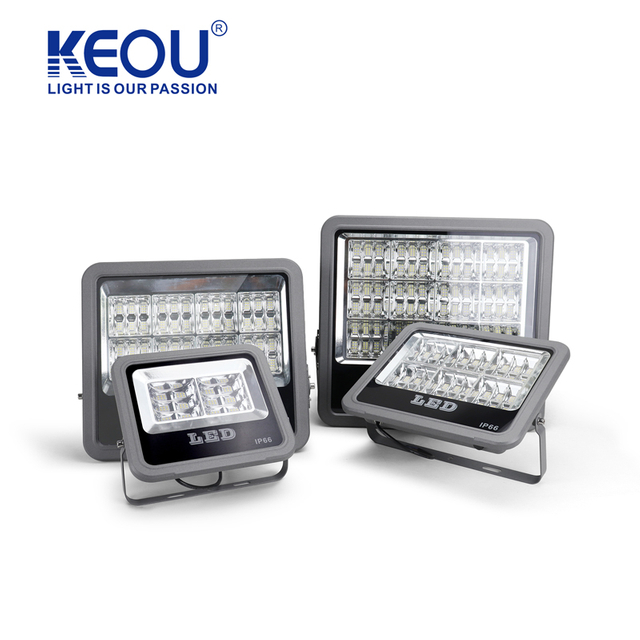
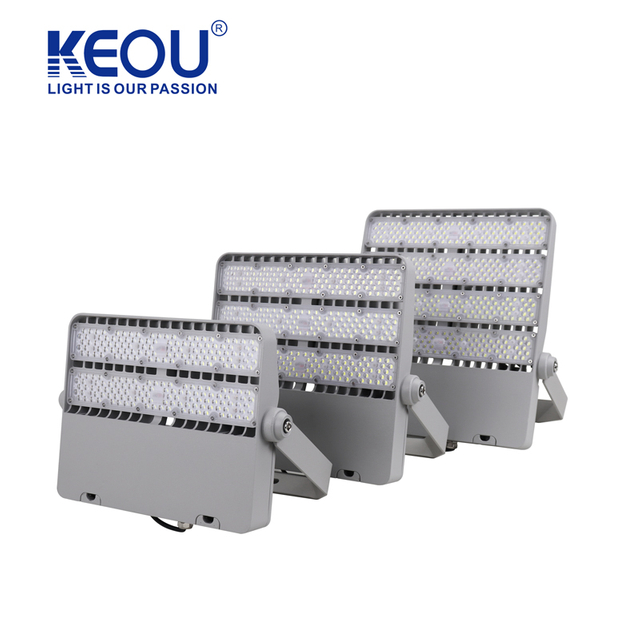
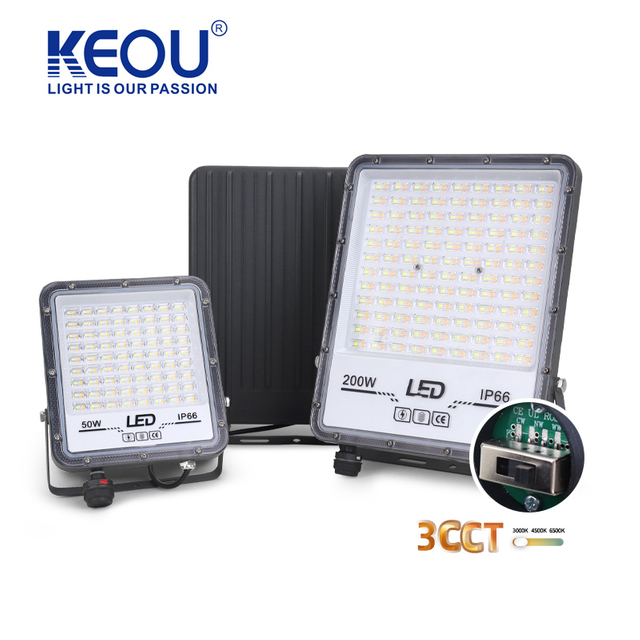
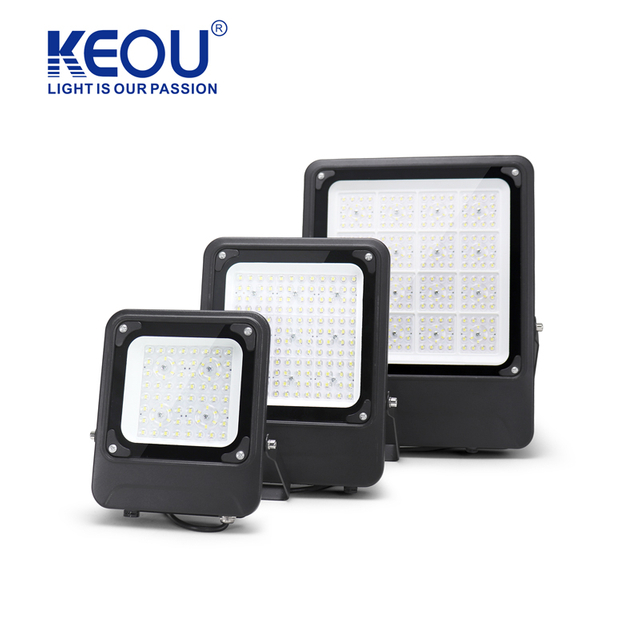
▉Note: KEOU lists IP65/IP66 on several flood-light and outdoor fixtures (see KEOU flood-light pages), but many IP65 products on the site are aimed at outdoor use—verify explicit indoor mounting instructions before selecting for interior damp locations: KEOU flood light category.
A: Yes—if the corridor is demonstrably dry and cleaned only with damp cloths. For routine spray or mop-splash cleaning, specify IP44–IP54.
A: When persistent humidity, condensation cycles, or low-pressure hose-downs are routine. For high-pressure cleaning, consider IP66–IP69K.
A: No—IP ratings do not cover chemical compatibility. Confirm cleaner compatibility with the manufacturer.
A: Often. Bathroom/shower zoning varies by jurisdiction—always confirm local code or AHJ requirements.