Author: Huang Publish Time: 10-11-2025 Origin: Site


Flood lights are crucial for illuminating large spaces with bright, intense light. But have you ever wondered why they are called flood lights? What is the origin of the term? In this article, we will explore the history and metaphor behind the term flood light. You'll learn about its function and how it became synonymous with powerful lighting for vast areas.
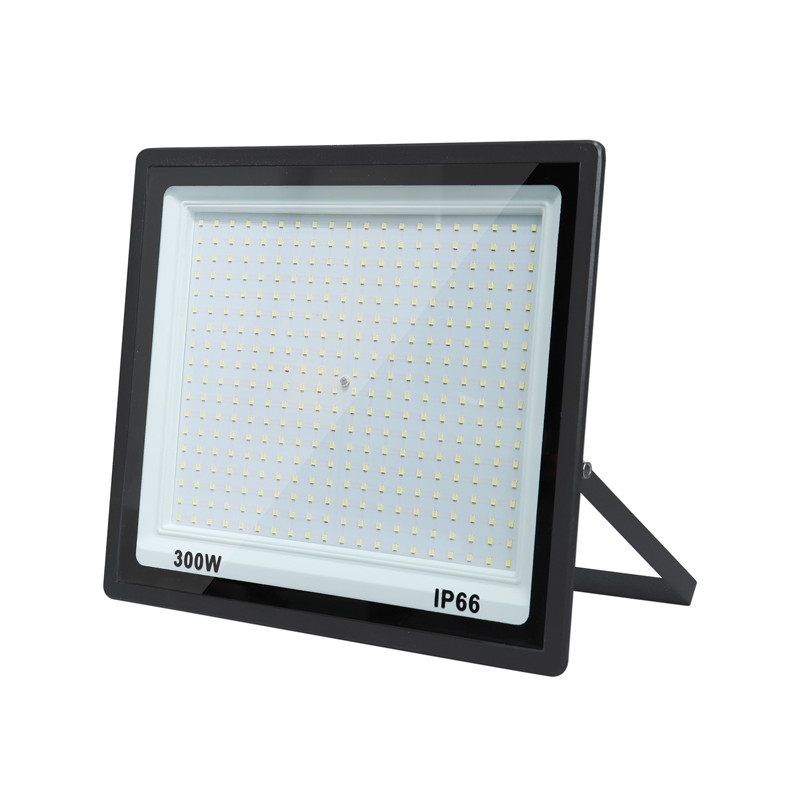
The term "flood light" derives its name from the metaphor of "flooding" an area with light. A flood, as we know, refers to a large, overwhelming quantity of water spreading across a surface. Similarly, flood lights are designed to emit a wide and intense beam of light that spreads over a large area, effectively "flooding" the space with illumination.
This metaphorical use of the word "flood" distinguishes flood lights from other types of lighting, particularly spotlights. Spotlights, for example, concentrate their light in a narrow beam aimed at a specific target. In contrast, flood lights have a much broader beam angle (typically ranging from 45° to 120°), which allows them to cover a wide area with even and consistent light.
The wide spread of light from a flood light mimics the way water floods an area, filling it completely and ensuring visibility across a larger surface. Whether used in outdoor security, sports venues, or for architectural lighting, flood lights deliver broad and uniform illumination, unlike spotlights that focus on specific objects or features.
Flood lights have evolved significantly since their inception. The earliest forms of flood lights were introduced in the early 20th century and were primarily used for outdoor events or to illuminate large spaces. Initially, flood lights were used in outdoor theaters, sporting events, and security lighting. These lights were designed to "flood" the area with light to enhance visibility, making them useful for night-time activities.
The term "flood light" became more widely adopted as these lights gained popularity in the 1920s and 1930s. Early flood light technology typically used carbon arc lamps, which were bright but inefficient and required a great deal of maintenance. Over time, advancements in lighting technology led to the development of more energy-efficient lighting systems, such as halogen flood lights and eventually LED flood lights.
As flood light technology advanced, so did its applications. They became indispensable for a wide variety of uses, from illuminating outdoor stadiums to securing residential and commercial properties. Today, flood lights are available in a range of sizes, intensities, and energy-saving options, with LEDs leading the way in terms of performance and efficiency.
While the term "flood light" might suggest a direct connection to water, it is important to note that the term is purely metaphorical. Flood lights do not have any literal connection to water itself. Instead, the "flooding" effect refers to how the light disperses over a wide area, much like a flood of water that covers a surface.
It’s easy to confuse the term with actual floodlights used during floods or natural disasters. However, the original flood light was developed to meet the practical need for broad and intense illumination, not to provide light during water-related events. In fact, flood lights have become an essential tool for illuminating public spaces, securing properties, and even enhancing the aesthetics of buildings and landscapes.
Flood light technology continues to advance, but the name has remained as a tribute to its original purpose of flooding an area with light.
| Term | Meaning |
|---|---|
| Flood Light | A lighting fixture designed to "flood" a large area with light. |
| Spotlight | A lighting fixture that focuses light on a specific target. |
| Beam Angle | The width of the light's spread, typically 45° to 120° for flood lights. |
If you're installing flood lights, ensure that they are strategically placed to flood the area with enough light to enhance visibility and security, especially in outdoor settings.
Flood lights are characterized by their wide beam angle, which is crucial for providing even and comprehensive illumination. Typically, flood lights have beam angles that range from 45° to 120°. This wide coverage is especially useful in outdoor settings like parking lots, sports fields, and large outdoor events, where uniform illumination is needed over a large area.
The wide beam angle ensures that there are no dark spots or harsh shadows in the illuminated space, allowing for better visibility. This makes flood lights ideal for environments that require constant, high-intensity lighting over a large area, such as during nighttime events or for security surveillance.
For instance, in a stadium, flood lights ensure that all areas of the field are well-lit, enabling players, referees, and spectators to see clearly. In parking lots, flood lights can provide uniform lighting to ensure the safety of drivers and pedestrians.
Flood lights are designed to provide high-intensity illumination, which is key to their effectiveness. Whether used for outdoor sports, security lighting, or architectural lighting, flood lights offer brightness that ensures large areas are illuminated effectively. The intense light emitted by flood lights is designed to ensure visibility even in low-light conditions.
The intensity of the light ensures that all elements within the illuminated area are visible. For instance, a parking lot with flood lights will have uniform brightness, allowing drivers to see clearly as they park or navigate the area. Similarly, flood lights are essential for ensuring the safety of large public spaces, as they deter crime and enhance security.
Flood lights and spotlights serve different purposes, with each offering distinct features that make them ideal for specific applications. While flood lights are designed to cover a broad area, spotlights are narrow, focused beams of light intended to highlight a specific target or object.
Flood lights have a wider beam angle and provide general illumination across a large area, whereas spotlights are used to focus attention on a particular subject, such as a performer on stage or a work of art in a gallery. The distinction between these two types of lighting is important when choosing the right light source for a particular application. Flood lights are perfect for general illumination, while spotlights are ideal for accentuating specific features.
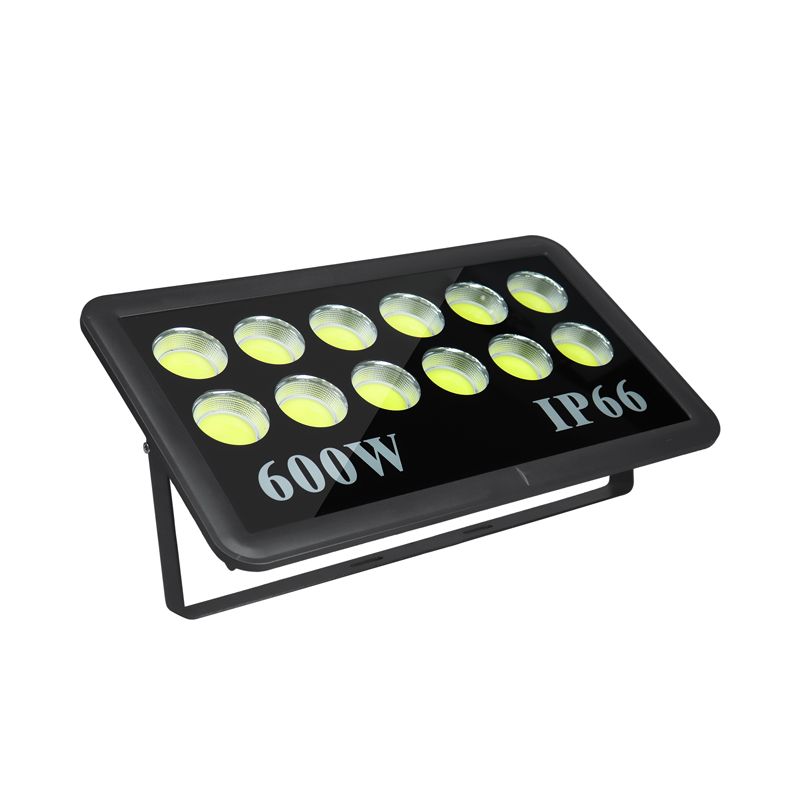
The primary function of flood lights is to illuminate large spaces. These lights are typically used for outdoor events, sports fields, parking lots, and construction sites. Their broad beam angle and high intensity make them the ideal choice for providing consistent, uniform illumination over a large area.
Flood lights are particularly useful in environments that require high levels of visibility during the night. For instance, in sports stadiums, flood lights are used to ensure that the entire field is visible for both players and spectators. Similarly, in commercial and industrial settings, flood lights provide the necessary illumination to ensure safety and efficiency.
Flood lights are essential for security purposes. When strategically placed around a property, flood lights can deter potential intruders by ensuring that all areas are well-lit. The presence of flood lights reduces the likelihood of criminal activity, as it becomes more difficult for intruders to approach undetected.
Flood lights are commonly used in residential security systems, as well as in commercial and public spaces. By illuminating dark areas, flood lights help prevent crime and increase safety. For example, they are often used around parking lots, warehouses, and public spaces to enhance security during the night.
In addition to their practical applications, flood lights are also used for aesthetic purposes. Flood lights can highlight the architectural features of buildings, monuments, or landscapes, transforming ordinary structures into visually striking pieces.
When used creatively, flood lights can accentuate the beauty of a building's design, highlighting its unique features and textures. This can be particularly important for architectural firms, property managers, or anyone looking to enhance the appearance of their buildings or outdoor spaces.
Halogen flood lights were one of the first widely used flood light types. They are known for their bright, white light and warm color temperature, which resembles natural sunlight. However, halogen flood lights tend to consume more energy compared to other types of flood lights, such as LEDs. They also produce more heat, making them less energy-efficient and less suitable for long-term use.
While halogen lights are still in use in some applications, they are being gradually replaced by more efficient options like LED flood lights.
LED flood lights have become the industry standard due to their energy efficiency, long lifespan, and reduced heat output. LEDs consume significantly less power than halogen flood lights and last much longer, making them a more cost-effective and sustainable option. Additionally, LED flood lights produce a bright, focused light that can be customized to suit different applications.
LED flood lights are available in various color temperatures, allowing for flexibility in terms of the light’s appearance. They are also more environmentally friendly than halogen flood lights, as they do not contain harmful materials such as mercury.
Solar-powered flood lights are a growing trend, particularly for outdoor lighting applications in off-grid areas. These lights are powered by solar panels, which absorb sunlight during the day and store energy in rechargeable batteries for nighttime use. Solar-powered flood lights are eco-friendly, cost-effective, and do not require access to the power grid.
These lights are ideal for areas where electricity is not readily available or for individuals looking to reduce their carbon footprint.
Motion-activated flood lights are commonly used for security purposes. These lights turn on automatically when motion is detected, providing immediate illumination when needed. Motion-activated flood lights are energy-efficient, as they only activate when someone enters the area, reducing unnecessary power consumption.
These lights are often used around homes, businesses, and public spaces to improve security and deter intruders.
| Type of Flood Light | Characteristics | Pros | Cons |
|---|---|---|---|
| Halogen | Bright, warm light with high energy consumption | High brightness, cost-effective | Less energy-efficient, high heat |
| LED | Energy-efficient, long-lasting, reduced heat output | Durable, energy-efficient, eco-friendly | Higher initial cost |
| Solar-powered | Powered by solar panels, ideal for off-grid locations | Cost-effective, eco-friendly | Dependent on sunlight availability |
| Motion-activated | Activates upon detecting movement | Energy-saving, enhances security | May not be suitable for all locations |
One of the major benefits of modern flood lights, especially LED and solar-powered options, is their energy efficiency. These lights consume less power than traditional halogen flood lights, making them a cost-effective choice for both residential and commercial applications. Additionally, LED flood lights have a longer lifespan, reducing the need for frequent replacements and minimizing maintenance costs.
Flood lights are incredibly versatile, offering a wide range of applications. Whether used for outdoor events, security purposes, or architectural lighting, flood lights can be installed in numerous environments. Their ability to provide broad and even illumination makes them suitable for both commercial and residential use.
Although the initial investment in flood lights can be higher, their energy efficiency and long lifespan result in significant savings over time. LED and solar-powered flood lights are particularly cost-effective in the long run due to their minimal energy consumption and reduced maintenance needs.
The term "flood light" aptly describes these lighting fixtures, designed to flood an area with bright, intense light. They are essential for illuminating large spaces, enhancing security, or highlighting architectural features. Understanding the origin of the term and the types available helps in selecting the right lighting. With advancements in LED and solar technology, flood lights are energy-efficient and cost-effective. KEOU’s flood light products provide high performance, energy savings, and reliability, offering value for both residential and commercial lighting needs.
A: A flood light is a lighting fixture designed to illuminate large areas with a broad and intense beam of light, ideal for outdoor spaces and security purposes.
A: The name "flood light" comes from the way it "floods" an area with light, covering a wide space, much like water floods a region.
A: Flood lights use a wide beam angle to disperse light evenly over a large area, providing high-intensity illumination for security, sports, or architectural purposes.
A: Flood lights provide broad coverage, enhance visibility in dark areas, improve security, and highlight architectural features with energy-efficient options like LEDs.
A: Flood lights cover a wide area with a diffused beam, while spotlights focus on a specific target with a narrow, intense beam.