Author: Huang Publish Time: 25-03-2026 Origin: Site


Are your outdoor spaces lacking charm after sunset? Flood lights can transform your landscape into a stunning nighttime oasis. In this article, we’ll explore the significance of flood lights in landscape lighting and how they enhance safety and aesthetics. You’ll learn practical tips for using these versatile lights effectively.
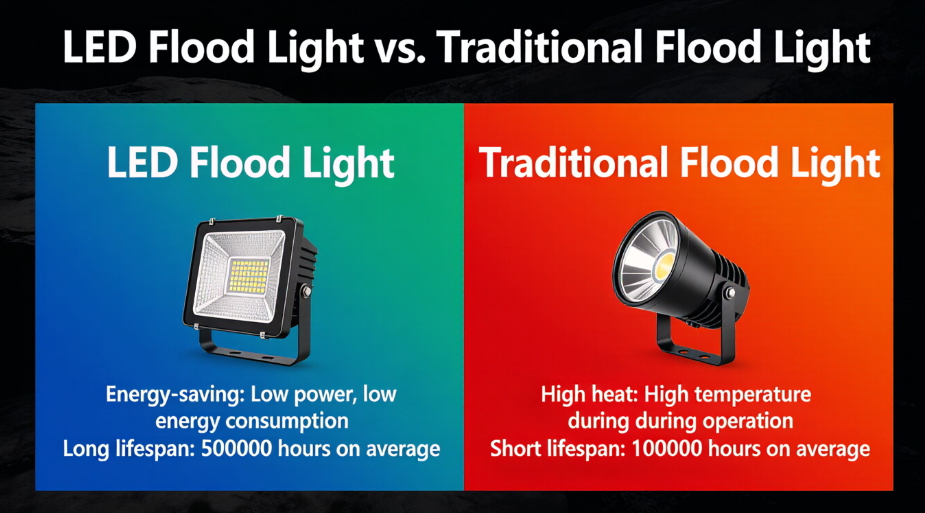
When choosing flood lights for your landscape, the first decision is between LED and traditional options. LED flood lights are becoming increasingly popular due to their energy efficiency and longevity. They consume up to 80% less energy than incandescent bulbs, translating to lower utility bills. Plus, they last much longer—often 25,000 hours or more—reducing the need for frequent replacements.
On the other hand, traditional flood lights, typically incandescent or halogen, may be cheaper upfront but have higher energy costs and shorter lifespans. They generate more heat, which can be a safety concern, especially in outdoor settings. In contrast, LEDs produce minimal heat, making them safer to use around flammable materials.
Beam angle is crucial in flood light selection. It determines how wide or narrow the light spreads. Here are some common beam angles and their applications:
Narrow Beam (10-30 degrees): Ideal for spotlighting specific features like sculptures or trees. It creates a focused, dramatic effect.
Medium Beam (30-60 degrees): Versatile for general area lighting, perfect for illuminating pathways or small gardens.
Wide Beam (60-120 degrees): Best for washing large surfaces, such as walls or expansive lawns. It provides an even spread of light, enhancing safety and visibility.
Choosing the right beam angle ensures you highlight your landscape effectively while avoiding dark spots.
Brightness is measured in lumens. The higher the lumens, the brighter the light. However, more lumens don’t always mean better lighting. Here’s a quick guide to help you determine the right brightness for different applications:
Pathways and Walkways: 100-200 lumens per fixture for safe navigation.
Garden Areas: 200-800 lumens to enhance plants and features without being overpowering.
Security Lighting: 800-1,200 lumens to deter intruders and ensure visibility.
It’s essential to balance brightness across your landscape. Too much light can create harsh shadows, while too little can leave areas dark and uninviting.
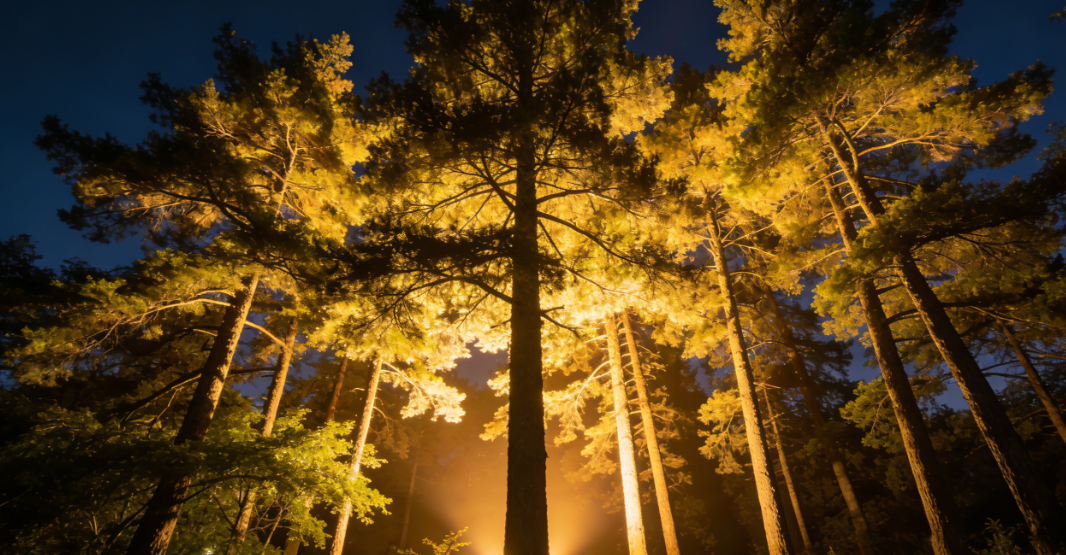
Uplighting is a popular technique in landscape lighting. It involves positioning flood lights at the base of an object and directing the light upward. This method creates a stunning visual impact, enhancing the height and structure of trees, columns, or sculptures. For instance, uplighting a tall tree can illuminate its trunk and canopy, transforming it into a living sculpture. This technique adds grandeur to your landscape, making it feel more dynamic and inviting.
Understanding the difference between wall grazing and wall washing is essential for effective lighting design.
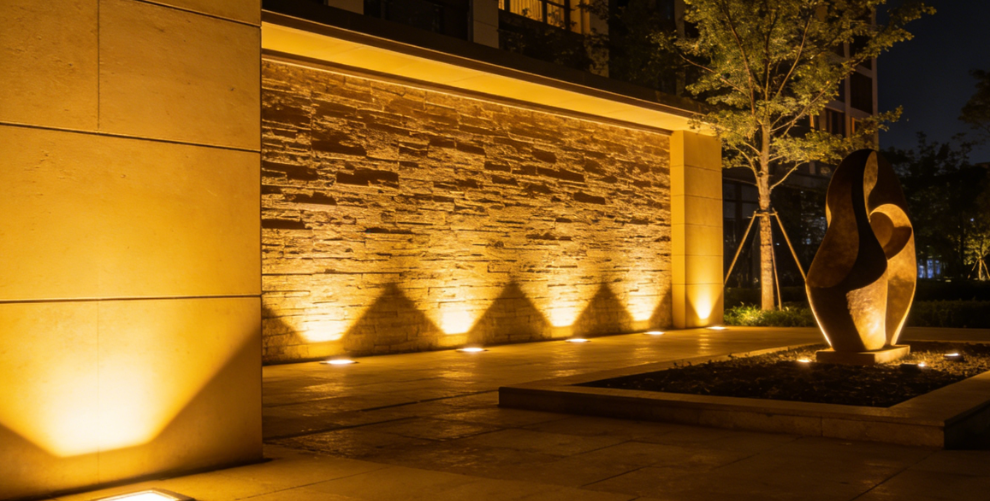
Wall Grazing: This technique involves placing the light fixture close to a textured wall and aiming the beam nearly parallel to the surface. It accentuates the wall's texture, creating sharp shadows that add depth and interest. Use this technique on surfaces like stacked stone or brick to highlight their unique features.
Wall Washing: In contrast, wall washing requires positioning the fixture further away from the wall and using a wider beam angle. This technique provides a soft, even glow that smooths out imperfections. It’s ideal for surfaces like stucco or siding, where a clean, elegant look is desired.
Both techniques can dramatically alter the ambiance of your outdoor spaces, so choose based on the effect you want to achieve.
Playing with light and shadow can create dramatic effects in your landscape.
Silhouetting: To create a silhouette, position a flood light behind an object, like a tree or sculpture, and aim it at a surface behind it. This technique highlights the outline of the object while leaving the front in shadow, creating a striking visual impact.
Shadowing: This is the opposite of silhouetting. Here, you place the light in front of the object, casting its shadow onto a blank surface behind it. This technique can transform a plain wall or fence into a canvas of moving art, using the shadows of plants or structures to create interest.
Both silhouetting and shadowing can enhance the drama and intrigue of your outdoor spaces, making them more engaging at night.
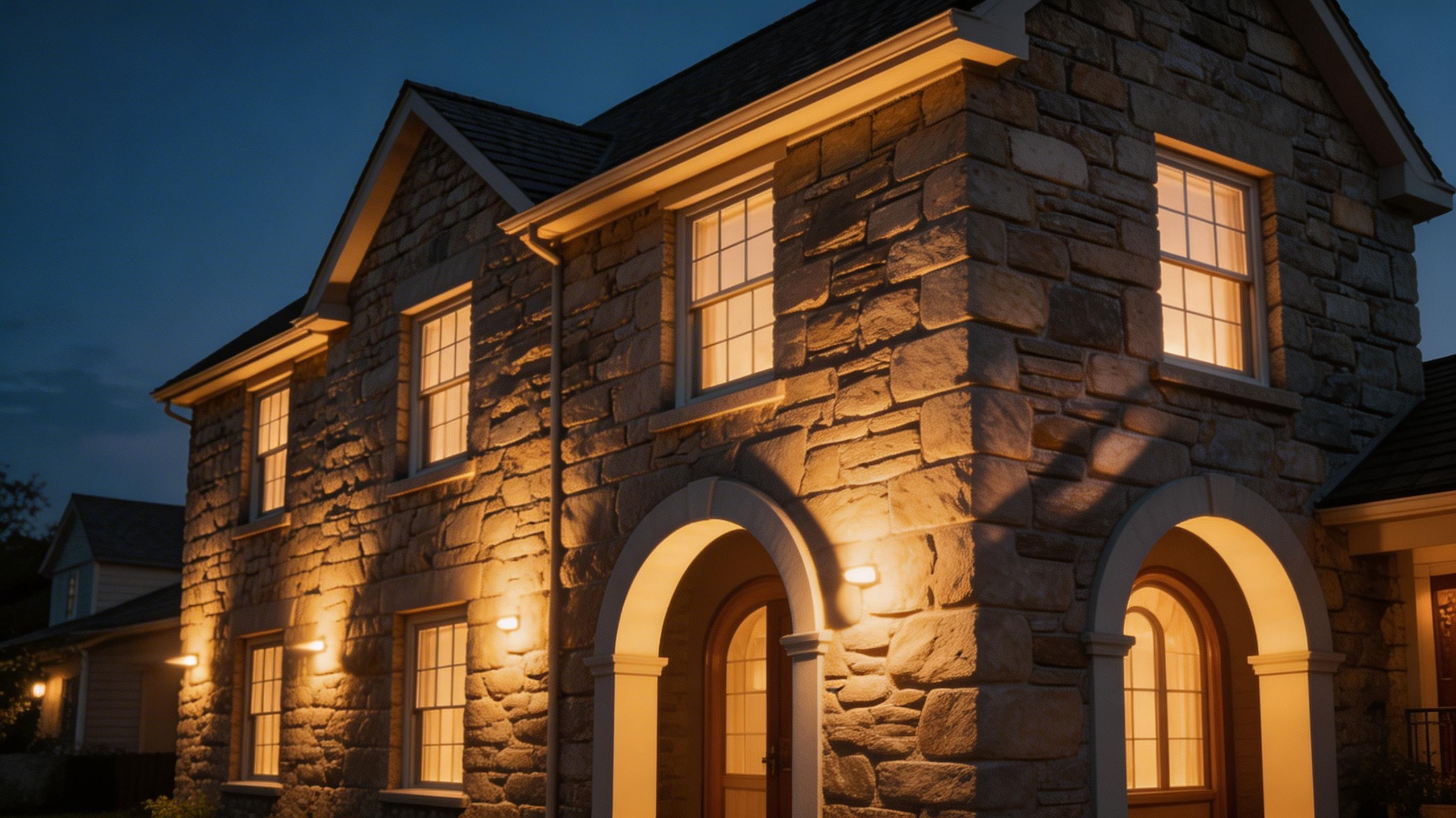
Flood lights can be a game-changer for showcasing your home's architectural charm. By strategically placing flood lights, you can enhance the visual appeal of your property. For instance, angle flood lights upward to wash light over textured surfaces like stone or brick. This not only highlights the material but also adds depth and character to your facade.
Consider using narrow beam angles for specific features like columns or arches. This focused lighting creates dramatic effects, making these elements stand out even more. You can also experiment with positioning lights slightly off-center to cast artistic shadows, adding movement to your home's exterior.
Your garden deserves to shine at night, and flood lights can help you achieve this. Uplighting works wonders for tall trees, casting light on their branches and creating striking silhouettes. This not only emphasizes their height but also transforms them into living sculptures.
For shrubs and smaller plants, use low-level flood lights to cast a gentle glow. This technique can enhance colors and textures, creating a warm and inviting atmosphere. You might also consider backlighting dense foliage. Positioning lights behind plants creates a magical halo effect, making your garden feel ethereal and vibrant.
Water features like ponds, fountains, or waterfalls can be mesmerizing when illuminated properly. Flood lights can enhance these elements, turning them into shimmering artworks. Aim soft beams at the water to highlight movement and reflections. This adds a dynamic visual element to your outdoor space, making it feel alive.
For a more defined look, place flood lights around the perimeter of your water feature. This helps outline its shape and enhances its contours, especially when paired with surrounding plants. If your water feature includes sculptures or decorative elements, illuminate them to draw attention and add character to the setting.
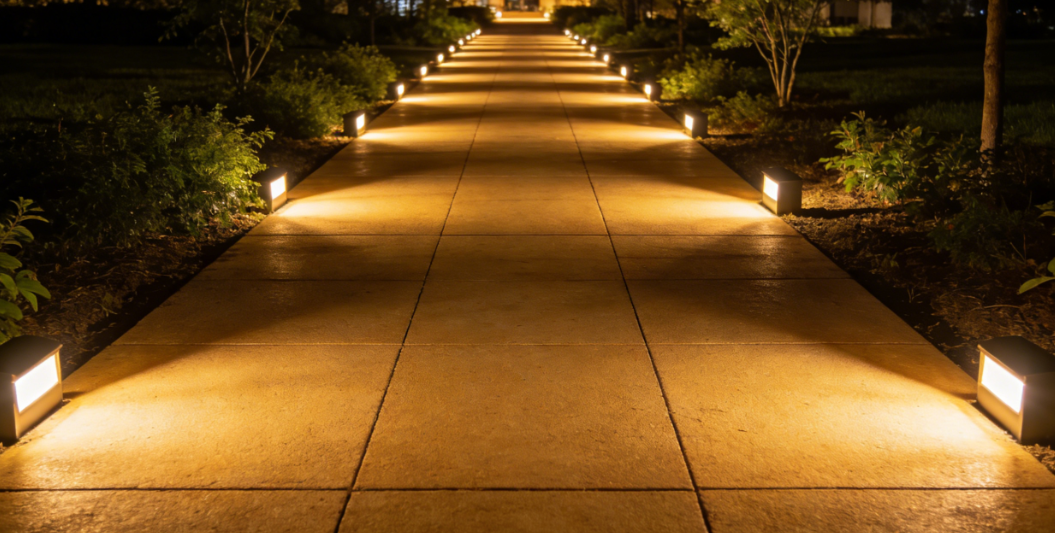
Pathway lighting is crucial for ensuring safe navigation in outdoor spaces. Properly illuminated walkways help prevent accidents and falls, especially at night. Flood lights are ideal for this purpose as they provide wide coverage and bright light, making it easier to see where you’re walking.
When installing flood lights along pathways, consider the following:
Spacing: Place lights evenly, typically 6 to 8 feet apart. This spacing ensures consistent illumination without dark spots.
Height: Install lights at a height that minimizes glare while providing adequate light coverage.
Beam Angle: Use flood lights with a wide beam angle to illuminate larger areas without creating harsh shadows.
By lighting pathways effectively, you create a welcoming atmosphere while enhancing safety for family and guests.
Boundary lighting is another important application of flood lights. Strategically placed lights around the perimeter of your property can deter potential intruders and define your space. Here’s how to implement boundary lighting effectively:
Install at Entry Points: Focus on gates, driveways, and doorways. Bright lights at these points create a sense of security.
Use Motion Sensors: Consider flood lights with motion sensors. They activate when movement is detected, startling intruders and alerting you to activity.
Layer Lighting: Combine different types of lights—like wall-mounted fixtures and flood lights—to create a more comprehensive security system.
A well-lit boundary acts as a deterrent, making your property less appealing to trespassers.
Flood lights play a critical role in enhancing surveillance systems. When combined with security cameras, they provide clear visibility in dark areas. Here’s how to maximize the effectiveness of flood lights for surveillance:
Positioning: Install flood lights to illuminate areas where cameras are placed. Ensure that light covers the camera’s field of view.
Brightness: Choose flood lights with higher lumen output for areas needing more illumination. This ensures clear video footage during nighttime.
Avoid Glare: Position lights to minimize glare on camera lenses. Glare can obscure footage, making it difficult to identify intruders.
By integrating flood lights into your surveillance system, you enhance security and peace of mind.
One of the most common mistakes in landscape lighting is over-lighting. It might seem logical to add more lights for better visibility, but this can backfire. Too much light creates harsh shadows and a glaring atmosphere, which can be uncomfortable for the eyes. Instead of enhancing your landscape, over-lighting flattens it, making everything look washed out.
A well-lit space should have a balance of light and shadow. Think about creating pockets of light that highlight key features while leaving other areas dimmer. This contrast adds depth and interest to your outdoor space. For instance, instead of illuminating an entire lawn, focus on specific trees, pathways, or architectural elements.
Another frequent oversight is neglecting the viewer's perspective. When designing your lighting plan, always consider how it looks from various viewpoints. What might look good from one angle can be glaring or unappealing from another.
Walk around your property at night to see how the lights appear from different locations—your patio, the street, or even from inside your house. This way, you can adjust the placement and angle of your flood lights to ensure they create a pleasing effect from all angles.
It’s essential to be considerate of your neighbors when installing flood lights. Bright lights shining into their windows can create discomfort and lead to disputes. Always aim your flood lights away from neighboring properties and adjust the beam angles accordingly.
Using fixtures with adjustable beam spreads can help minimize light spillage into unwanted areas. Additionally, consider the brightness levels. A well-lit yard doesn’t have to mean blinding light; softer illumination can still create a warm and inviting atmosphere without disturbing others.
When it comes to DIY flood lighting, choosing the right flood lights is crucial. The options available today can be overwhelming, but understanding your needs can simplify the process.
Brightness (Lumens): Start by considering the brightness. Lumens measure how much light a fixture emits. For pathways, aim for 100-200 lumens per fixture. For garden areas, 200-800 lumens will create a warm ambiance. If security is your goal, look for lights in the range of 800-1,200 lumens.
Type of Flood Light: Decide between LED and traditional options. LED flood lights are energy-efficient, lasting up to 25,000 hours. They consume significantly less energy compared to incandescent or halogen lights, making them a smart choice for long-term savings.
Beam Angle: Consider the beam angle based on your lighting goals. A narrow beam (10-30 degrees) is great for spotlighting specific features, while a wide beam (60-120 degrees) is ideal for washing large areas with light.
Color Temperature: Choose the color temperature that suits your outdoor space. Warmer tones (2700K-3000K) create a cozy atmosphere, while cooler tones (4000K-5000K) offer a more modern, crisp look.
Installing flood lights doesn’t have to be daunting. Here are some straightforward tips to help you get started:
Plan Your Layout: Before installation, sketch a layout of your outdoor space. Identify key areas you want to illuminate, like pathways, gardens, or architectural features. This will help you determine the number and placement of flood lights.
Use Proper Tools: Gather the necessary tools: a drill, screws, wire connectors, and a voltage tester. Ensure you have a ladder if you're installing lights at height.
Follow Instructions: Always refer to the manufacturer’s instructions for installation. Each product may have specific requirements, so it’s best to follow them closely.
Test Before Finalizing: Once installed, test the lights to ensure they illuminate the desired areas effectively. Adjust angles and positions as needed before securing everything.
Consider Smart Options: If you want more control, consider smart flood lights. These can be controlled via smartphone apps, allowing you to adjust brightness and set schedules easily.
Maintaining your flood lights is essential for longevity and performance. Here are some maintenance tips:
Regular Cleaning: Dust and dirt can accumulate on fixtures, reducing light output. Clean them regularly with a soft cloth and mild detergent.
Check Connections: Ensure all electrical connections are secure and free from moisture. Loose connections can lead to flickering or failure.
Replace Bulbs Promptly: If a bulb burns out, replace it immediately to maintain consistent lighting. Keep spare bulbs on hand for quick replacements.
Troubleshooting: If your lights aren’t working, check the power source first. If the circuit is fine, inspect the bulbs and connections. For persistent issues, consult a professional electrician.
Flood lights are essential for enhancing outdoor aesthetics and safety. LED options are energy-efficient and long-lasting compared to traditional lights. Selecting the right beam angle and brightness is crucial for effective illumination. Techniques like uplighting and wall grazing can create dramatic effects. Proper placement ensures safety along pathways and enhances security around boundaries. Explore different lighting styles to elevate your landscape's charm. Keou offers high-quality flood lights that provide exceptional value and durability for all your outdoor lighting needs.
A: A flood light is a powerful outdoor lighting fixture designed to illuminate large areas, often used for security, landscape lighting, and highlighting architectural features.
A: Consider factors like brightness (lumens), type (LED or traditional), beam angle, and color temperature to select the best flood light for your specific needs.
A: LED flood lights are more energy-efficient, lasting longer and consuming up to 80% less energy than traditional options, resulting in lower utility bills.
A: The cost of flood lights varies based on type and features, ranging from $20 for basic models to over $200 for advanced LED options.
A: Avoid over-lighting, neglecting viewer perspectives, and shining lights into neighboring properties to ensure a balanced and considerate lighting design.