
Author: Huang Publish Time: 12-05-2026 Origin: Site


If you grew up using incandescent bulbs, it’s normal to assume “higher watts = brighter.” That mental model worked—until LEDs rewired the rules.
So, can LED lights reach the brightness of old incandescent lamps in 2026? Yes. In many cases, LEDs can match or exceed incandescent brightness—often while using far less power. The trick is knowing what to compare and how to interpret the specs, especially for outdoor lighting like floodlights and street lights.
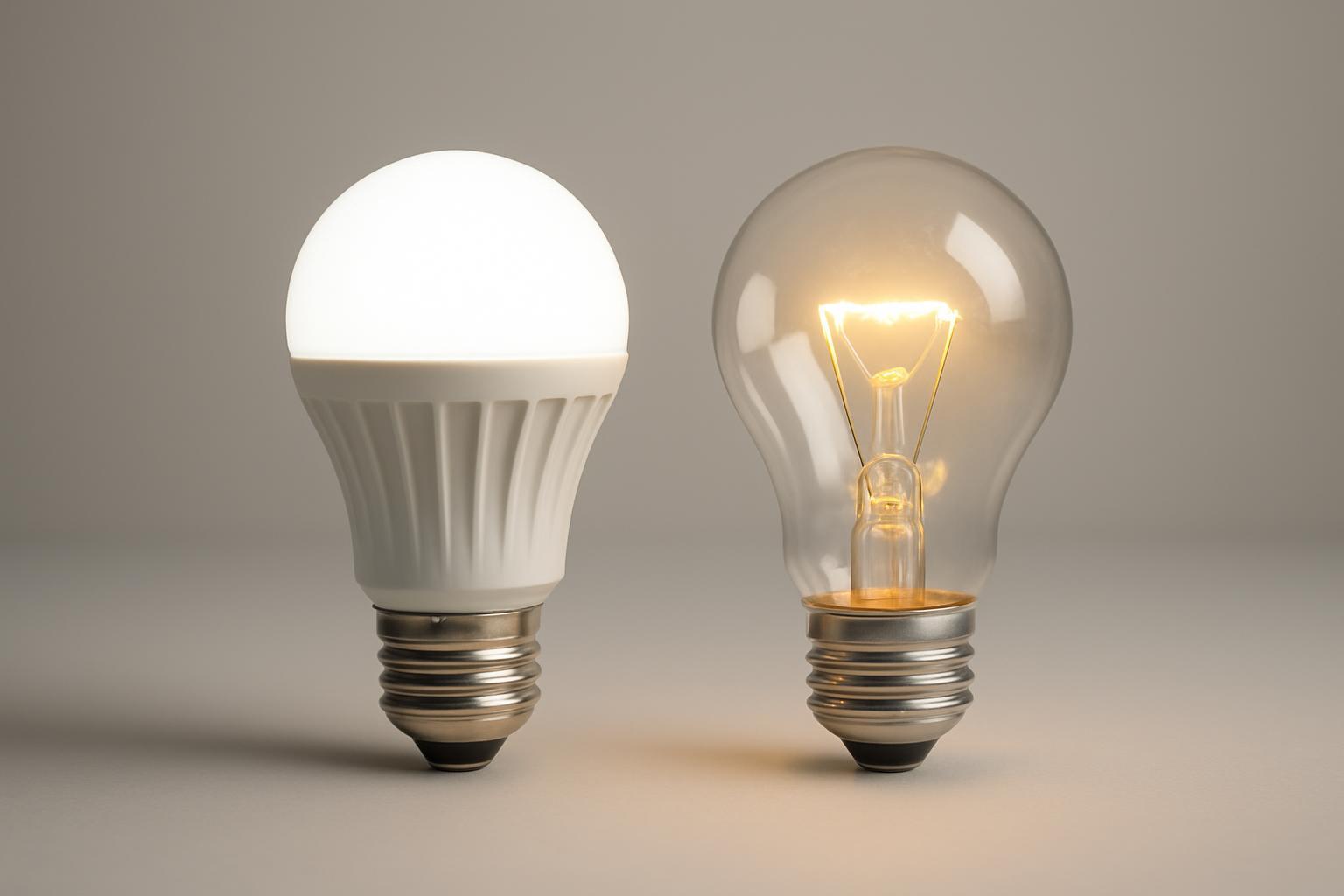
Watts (W) tell you how much power a lamp consumes. Lumens (lm) tell you how much visible light it produces.
Incandescent lamps turn a lot of electricity into heat, so their light output per watt is low. LEDs are far more efficient, so a lower-watt LED can produce the same (or higher) lumens.
If you want a quick refresher on the most-used spec terms (lumens, CRI, beam angle), KEOU Lighting has a plain-language overview in KEOU Lighting.
When people say “60W-equivalent,” they’re usually trying to describe brightness. In 2026, the cleanest way to compare LED vs incandescent brightness is:
Match lumens (light output)
Then check beam distribution (where the light actually lands)
That’s especially important outdoors, where visibility depends on the light on the road, not just the light leaving the fixture.
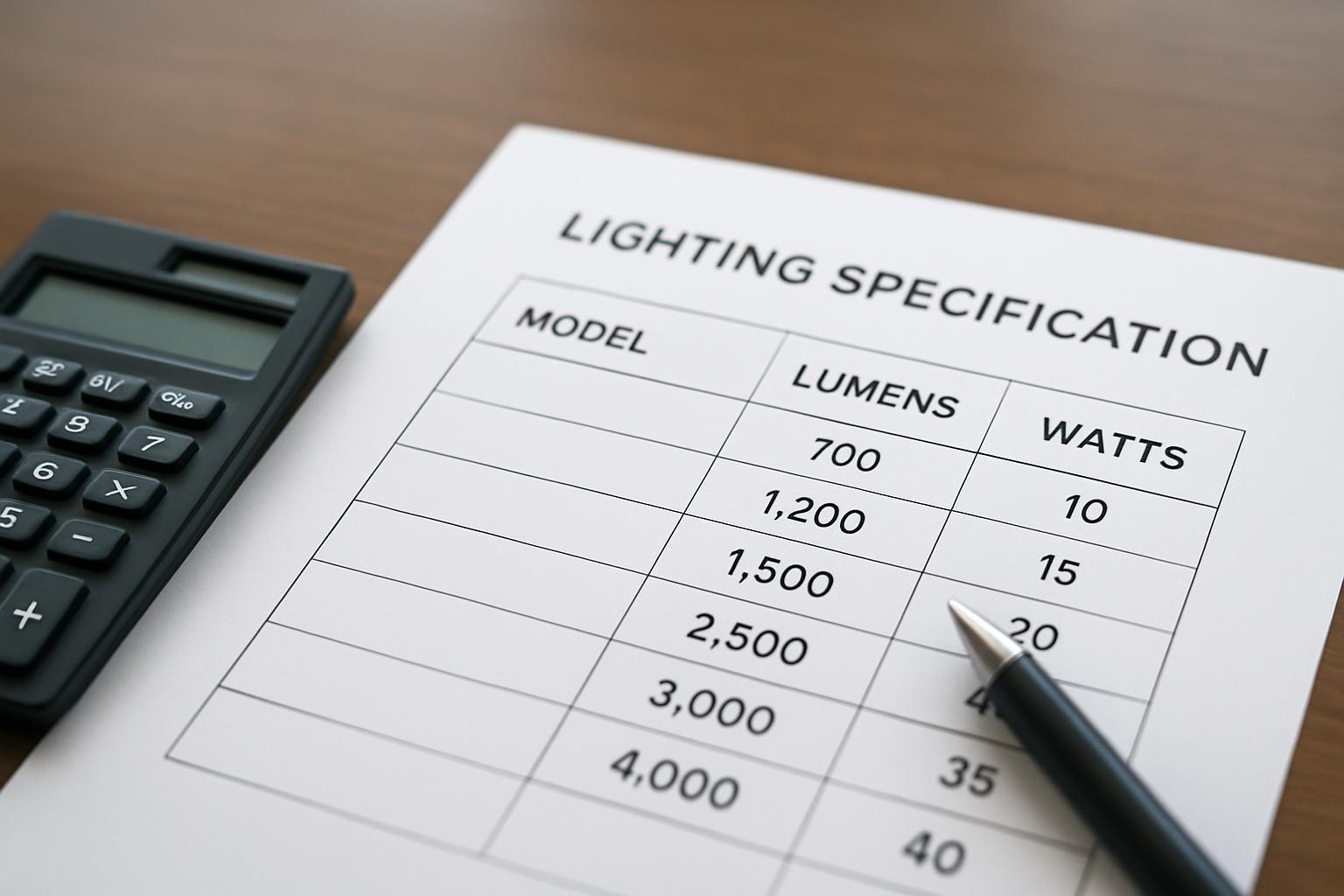
Here’s a simple baseline table you can use as a sanity check:
Old incandescent wattage (approx.) | Typical brightness (lumens) |
|---|---|
40W | 400–500 lm |
60W | 700–850 lm |
75W | 900–1,200 lm |
100W | 1,300–1,700 lm |
150W | 2,400–2,800 lm |
These numbers line up with common “60W ≈ 800 lm / 100W ≈ 1600 lm” explanations in commercial guides such as PacLights’ “LED Brightness Chart: Lighting Explained” (2025).
Pro Tip: For outdoor projects, don’t stop at “total lumens.” You also need to know where those lumens go—that’s beam distribution.
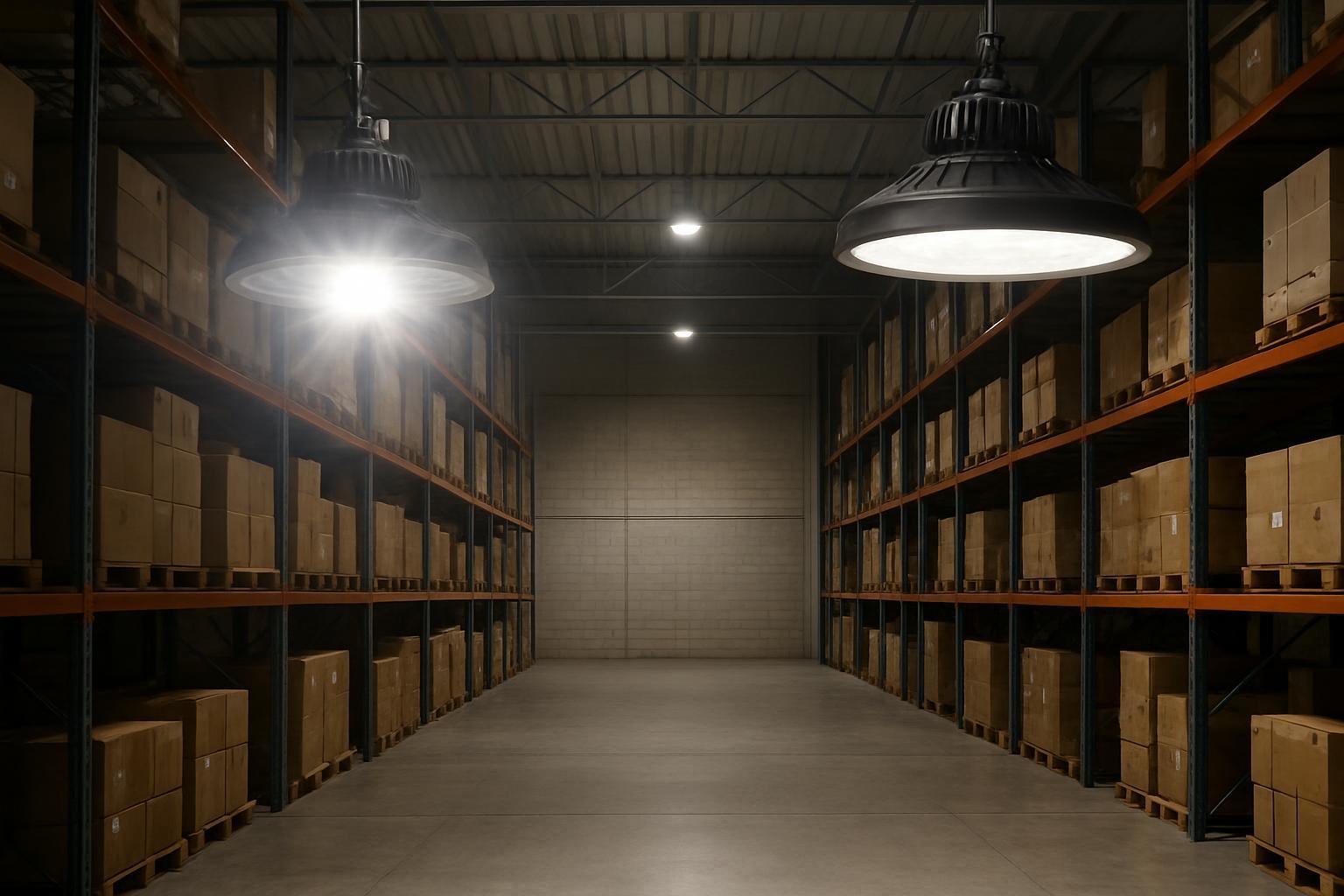
This is where most “LED isn’t as bright as the old bulb” stories come from. The lumen number may be fine, but the delivery of the light is different.
Incandescent lamps typically emit light in almost all directions. Many LEDs (and LED fixtures) are more directional.
That can be good (more light on the target) or bad (hot spots and glare) depending on the optics. In other words: beam angle vs brightness is a real trade-off, not a marketing detail.
In real installations, you’re buying a fixture, not a bare light source.
Reflectors, lenses, and diffusers can improve uniformity and cut glare—but they can also reduce usable output if the design is poor. That’s why two “same-lumen” products can perform differently on site.
A cooler white (for example, 5000K) often appears brighter than a warm white (for example, 3000K) at the same lumen rating. That doesn’t automatically mean “better”—it depends on the road type, surrounding environment, and what you’re trying to reveal.
A fixture can feel “very bright” because it creates discomfort glare, not because it improves visibility.
Similarly, poor driver design can introduce flicker that causes fatigue (and can be noticeable on cameras), even if the lumen rating looks great on paper.
If you want a deeper look at glare/flicker terminology (without marketing noise), see KEOU’s explainer on flicker and glare specs to check.
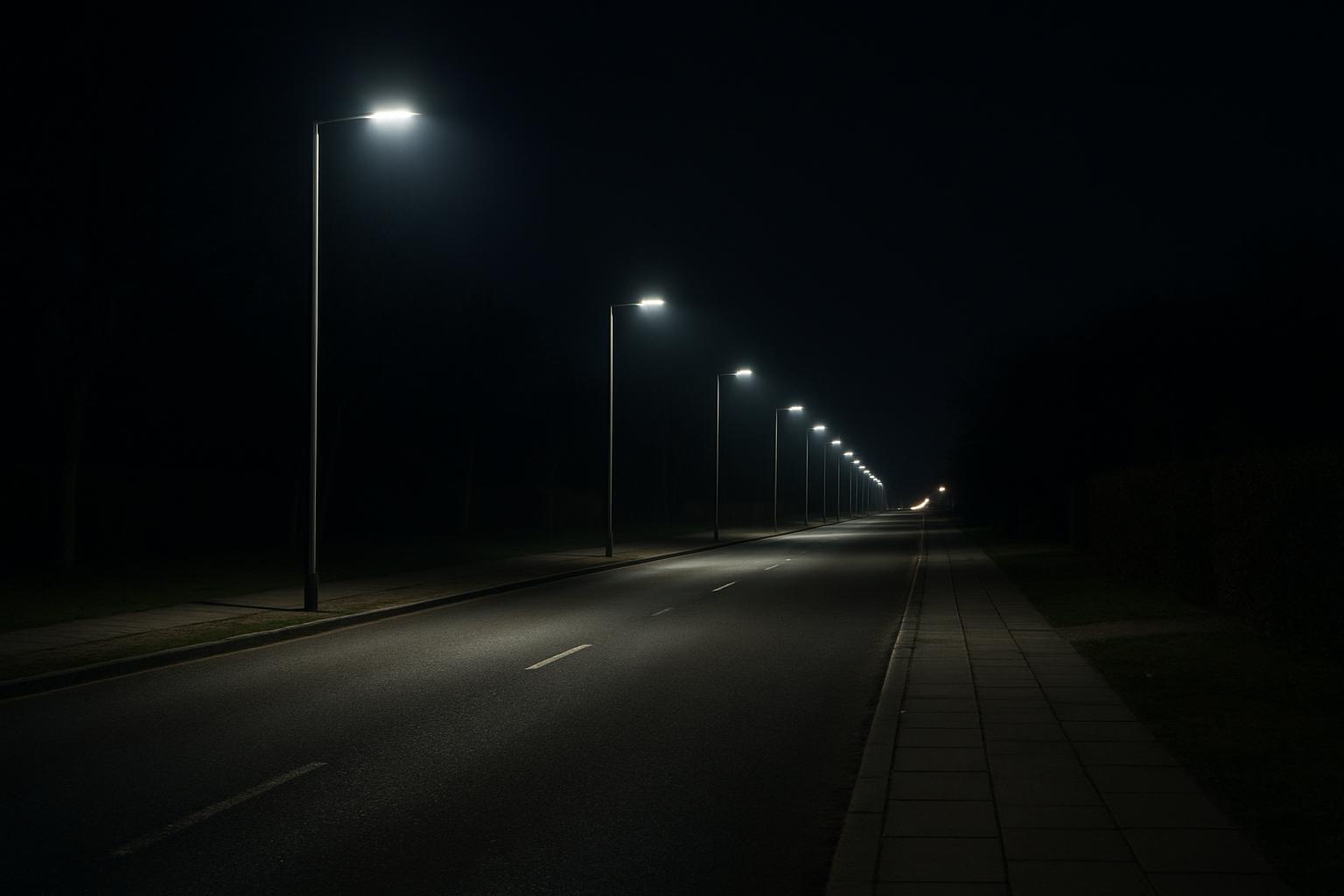
For floodlights and street lights, the question usually isn’t “is this LED as bright as my old lamp?” It’s:
Do I have enough light on the target surface? (measured in lux)
Is the distribution uniform enough to be safe and comfortable?
This is why “LED floodlight lumens” alone can be a misleading search phrase: a high-lumen fixture can still perform poorly if the beam pattern and mounting height don’t put light where you need it.
A quick mental model:
Lumens = total “light budget” produced by the fixture.
Lux = how much of that budget actually lands on the road or area you care about.
Mounting height, optics, and aiming determine whether you get smooth coverage or patches of over-bright and under-lit areas.
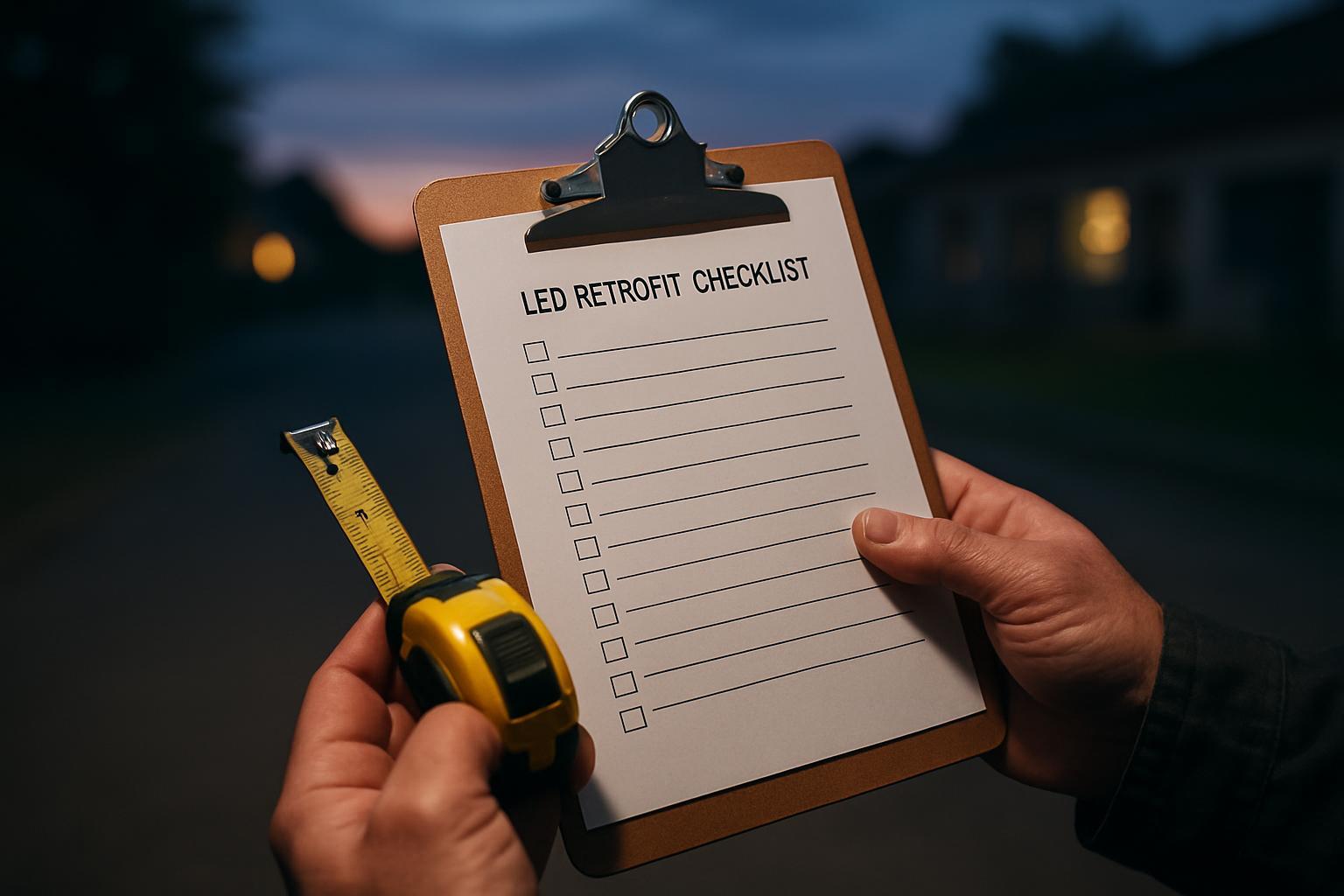
If you only have 2 minutes to evaluate whether an LED product can really replace an older incandescent/halogen/HID setup, use this checklist:
Total lumens (lm): Is the lumen figure clearly stated and plausible for the power?
Beam angle / distribution: Is there a beam angle spec or photometric distribution info?
CCT (Kelvin): Are you comparing like-for-like color temperature?
Glare control: Is the optic designed to reduce harsh glare, or is it a bare bright source?
Driver quality: Any flicker notes, dimming behavior, or driver specs provided?
Verification artifacts: For commercial projects, ask for standardized photometric/electrical reporting (often referenced as LM-79 test data in the industry).
On efficiency context: KEOU Lighting’s discussion of 2026 efficacy targets (lm/W) is focused on ceiling lights, but the core idea applies broadly—modern LED designs can deliver more light per watt than legacy sources.
If you’re planning an outdoor retrofit and you want a quick, neutral sanity check, write down four numbers—target area size, mounting height, beam angle/pattern, and target lux—and have your supplier (or engineering team) validate the distribution.
KEOU Lighting can support that kind of spec discussion as a manufacturer, but the same framework works no matter which brand you’re evaluating.


