
Author: Site Editor Publish Time: 06-04-2026 Origin: Site


Are your outdoor spaces dim and uninviting? Proper outdoor lighting is essential for safety and ambiance. In this article, we’ll explore how to choose the right flood lights for your porch and outdoor fixtures. You’ll learn about different types, key features, and tips for installation and maintenance.
When it comes to illuminating your outdoor spaces, flood lights are an excellent choice. They provide powerful, broad illumination that's perfect for various applications, from enhancing security to creating ambiance. Here's a closer look at the different types of flood lights available for outdoor use.
LED flood lights are increasingly popular due to their energy efficiency and longevity. They consume significantly less power than traditional lighting options, making them cost-effective in the long run. With lifespans often exceeding 25,000 hours, they require less frequent replacements. Additionally, LED flood lights offer adjustable brightness settings and a range of color temperatures, allowing you to customize the lighting to suit your needs. Their durability and resistance to harsh weather conditions make them ideal for outdoor applications.
Halogen flood lights are known for their bright, warm light. They provide excellent color rendering, making them suitable for outdoor areas where visibility is essential, such as patios and gardens. However, they are less energy-efficient than LEDs and have a shorter lifespan, typically around 2,000 hours. If you’re looking for a cozy atmosphere, halogen lights can be a good choice, but be prepared for higher energy costs over time.
Although less common today, incandescent flood lights still have their place. They produce a warm glow that many find appealing. However, they are not as energy-efficient as LED or halogen options and have a shorter lifespan, usually around 1,000 hours. Their high energy consumption makes them less practical for large outdoor areas, but they can still be used for smaller applications where warmth and familiarity are desired.
Solar flood lights are an eco-friendly option that harnesses solar energy to power illumination. They are ideal for areas without access to electrical outlets, such as gardens or pathways. These lights store energy during the day and illuminate at night. However, their brightness can vary based on sunlight exposure, making them less reliable in cloudy or shaded areas. Despite this limitation, solar flood lights are a great option for environmentally conscious homeowners looking to reduce energy costs.
Motion sensor flood lights enhance security by automatically turning on when they detect movement. They are perfect for driveways, entryways, and other outdoor areas where security is a concern. These lights not only provide illumination when needed but also help conserve energy by turning off when no motion is detected. Many models come equipped with adjustable sensitivity settings, allowing you to customize how they respond to movement.
In summary, the type of flood light you choose will depend on your specific needs, preferences, and the outdoor environment. LED flood lights offer the best energy efficiency and longevity, while halogen and incandescent options provide warmth and familiarity. Solar models are great for off-grid locations, and motion sensor lights add an extra layer of security.
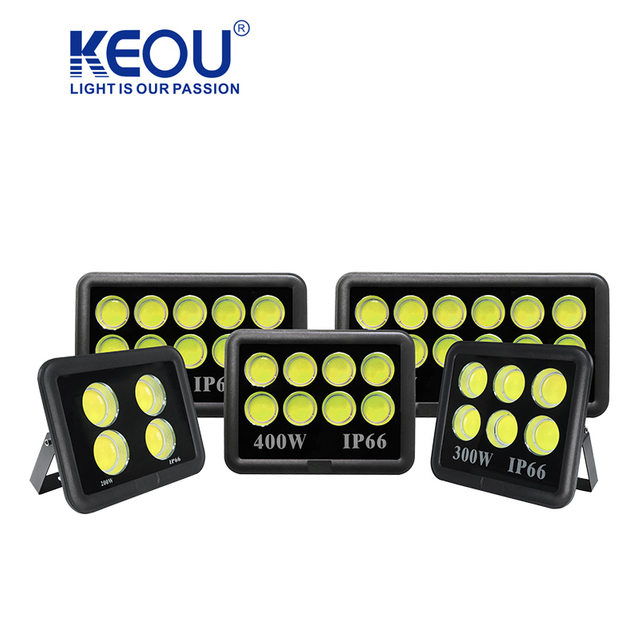
Choosing the right flood light for your outdoor space involves considering several key features. Each feature plays a significant role in ensuring you achieve the desired illumination, efficiency, and durability. Here’s a breakdown of the essential features to consider:
Brightness is measured in lumens, which indicates how much light the fixture emits. The higher the lumen output, the brighter the light. For outdoor areas, the required lumens will vary based on the intended use:
Small Areas (e.g., porches, small gardens): Aim for 700 to 2,000 lumens.
Medium Areas (e.g., patios, pathways): Look for 2,000 to 5,000 lumens.
Large Areas (e.g., parking lots, sports fields): You may need 5,000 lumens or more.
Choosing the right brightness ensures safety and visibility, especially in darker areas.
The beam angle determines how wide or narrow the light spreads. A wider beam angle (e.g., 120°) is suitable for general lighting, while a narrower beam angle (e.g., 30°) focuses the light on specific features. Consider the layout of your outdoor space:
Wide Beam (90°-120°): Best for illuminating large areas uniformly.
Medium Beam (60°-90°): Good for accent lighting or mid-distance applications.
Narrow Beam (15°-30°): Ideal for spotlighting specific features or long-distance projection.
Choosing the correct beam angle enhances the effectiveness of your lighting.
Color temperature, measured in Kelvin (K), influences the mood and functionality of the lighting. Here are common ranges:
Warm White (2700K-3000K): Creates a cozy atmosphere, suitable for residential areas.
Neutral White (4000K-4500K): Provides a natural look, ideal for parking lots and general outdoor use.
Cool White (5000K-6500K): Bright and sharp, suitable for security and high-visibility areas.
Selecting the right color temperature can enhance the ambiance of your outdoor space.
The Color Rendering Index (CRI) measures how accurately a light source displays colors compared to natural light. A higher CRI means better color accuracy, which is crucial for certain applications:
Security Lighting: Aim for a CRI of 70 or higher to clearly identify objects and people.
Commercial Areas: A CRI of 80 is ideal for accurate color representation.
High-End Landscape Lighting: Choose lights with a CRI of 90 or above for the best color fidelity.
Understanding CRI helps ensure you select lights that enhance visibility and aesthetics.
The Ingress Protection (IP) rating indicates how well a light fixture is protected against dust and water. For outdoor use, a higher IP rating is essential:
IP65: Dust-tight and protected against low-pressure water jets.
IP66: Offers protection against strong water jets.
IP67: Suitable for short-term immersion in water.
IP68: Designed for continuous immersion in water.
Selecting lights with the appropriate IP rating ensures durability and longevity in outdoor environments.
Selecting the right flood light for your outdoor space involves evaluating several critical factors. These considerations ensure you achieve the desired brightness, energy efficiency, and durability for your specific application. Here’s a closer look at the essential features to consider:
Start by determining the size of the area you want to illuminate. Larger spaces, such as driveways or sports fields, require flood lights with higher lumen outputs. Conversely, smaller areas like porches or gardens may need less intense lighting. Consider the primary function of the space:
Security: For high-security areas, opt for brighter lights (5,000 lumens or more).
Ambiance: For creating a cozy atmosphere, lower lumen outputs (700-2,000 lumens) can suffice.
Energy efficiency is crucial, especially for outdoor lighting that may be left on for extended periods. LED flood lights are the most energy-efficient option, consuming less power while providing high brightness. When selecting lights, look for the following:
Luminous Efficacy: This measures how much light (lumens) is produced per watt of energy consumed. Aim for fixtures with a luminous efficacy of at least 100-150 lumens per watt.
Lifespan: Choose lights with a long lifespan (50,000 hours or more) to reduce replacement frequency and costs.
Outdoor lights must withstand various environmental conditions, so durability is key. Look for flood lights made from robust materials such as:
Die-cast Aluminum: Offers excellent heat dissipation and corrosion resistance.
Stainless Steel: Ideal for coastal areas due to its resistance to rust and salt damage.
Additionally, check the Ingress Protection (IP) rating, which indicates how well the fixture is protected from dust and water. For outdoor use, aim for a minimum IP65 rating.
Modern flood lights often come equipped with smart features that enhance convenience and security. Consider the following options:
Motion Sensors: These lights activate when they detect movement, providing illumination only when needed. This feature saves energy and enhances security.
Smart Controls: Some flood lights can be controlled via smartphone apps, allowing you to adjust brightness, set schedules, or turn lights on/off remotely.
Incorporating these smart features can significantly improve the functionality of your outdoor lighting.
Installing and maintaining flood lights properly is essential to ensure their effectiveness and longevity. By following best practices during installation and adhering to maintenance guidelines, you can enhance the performance of your flood lights and prevent common issues. Here’s a detailed look at how to install and maintain your outdoor flood lights.
Height and Angle:
Mount flood lights at a height of 8 to 10 feet above the ground. This height provides optimal coverage while minimizing glare.
Angle the lights downward to focus illumination on the desired area, ensuring even light distribution.
Placement:
Identify areas requiring illumination, such as entry points, driveways, and dark corners.
Ensure flood lights cover these areas adequately to enhance safety and visibility.
Wiring and Connections:
Use waterproof junction boxes and cable glands to protect electrical connections from moisture.
Follow local electrical codes, and consider hiring a professional electrician for complex installations to ensure safety and compliance.
Power Supply: Ensure the voltage of the power supply matches the flood light requirements to prevent damage.
Grounding: Properly ground all fixtures to minimize the risk of electrical shocks or short circuits.
Weatherproofing: Confirm that all fixtures are rated for outdoor use, with appropriate IP ratings (IP65 or higher is recommended) to withstand environmental elements.
Regular Cleaning:
Dust and debris can accumulate on the fixtures, reducing light output. Clean lenses and fixtures regularly with a damp cloth to maintain brightness.
For tough grime, use a mild soap solution, avoiding abrasive materials that could scratch the surface.
Bulb Replacement:
Monitor the performance of bulbs regularly. Replace any dimming or flickering bulbs promptly to ensure consistent illumination.
When replacing bulbs, choose high-quality options that match the specifications of your flood lights.
Inspect Wiring:
Periodically check wiring and connections for signs of wear or damage. Look for frayed wires or corrosion, which can lead to electrical failures.
Address any issues immediately to prevent further complications or safety hazards.
Seasonal Checks:
Before winter or extreme weather, inspect fixtures for any loose connections or damage that could worsen in harsh conditions.
Clear snow and ice from fixtures if applicable, as accumulation can block light and damage the unit.
By following these installation and maintenance guidelines, you can ensure your flood lights provide reliable illumination for your outdoor spaces while maximizing their lifespan and efficiency.
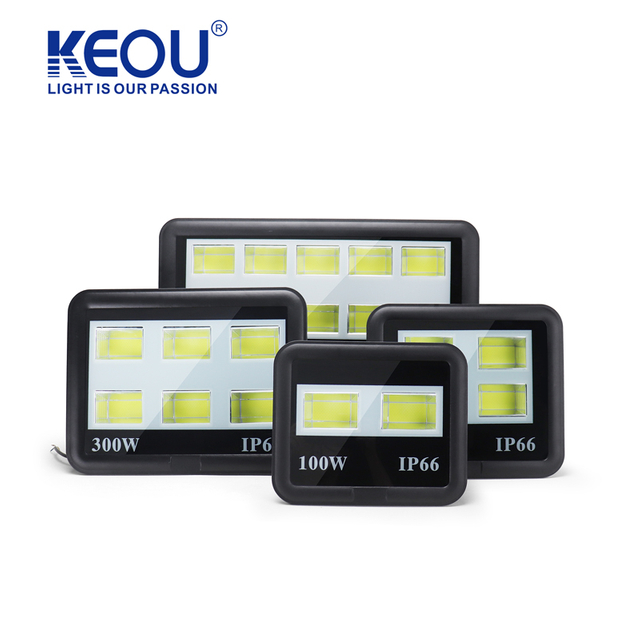
When it comes to outdoor lighting, flood lights are often a go-to choice for many homeowners due to their powerful illumination and versatility. However, there are several other outdoor lighting options available, each serving distinct purposes. Understanding the differences between flood lights and other types of outdoor lighting can help you make an informed decision based on your specific needs.
Wall sconces are mounted fixtures that provide ambient lighting, enhancing the architectural features of a building. They are typically used for decorative purposes and to create a welcoming atmosphere. In contrast, flood lights are designed for functionality, offering high-intensity illumination for security and safety.
Use Cases: If your goal is to enhance the aesthetic appeal of your home’s entrance, wall sconces may be more appropriate. For illuminating a large backyard or driveway, flood lights would be the better option.
Brightness: Flood lights generally emit much higher lumens compared to wall sconces, making them ideal for areas requiring significant visibility.
Design: While wall sconces come in various styles and can complement your home’s decor, flood lights tend to be more utilitarian in design.
Path lights are smaller fixtures designed specifically to light walkways and garden paths. They provide low-level illumination that enhances safety while adding a decorative touch to landscaping. Flood lights, on the other hand, are powerful and can cover larger areas, making them suitable for security and visibility in open spaces.
Use Cases: For narrow pathways, path lights are ideal, providing just enough light to guide the way. Flood lights are more effective for expansive areas that require significant lighting coverage, such as driveways or large yards.
Installation: Path lights are often spaced along walkways, while flood lights can be mounted higher to cover a broader area.
String lights are often used for decorative purposes, creating a warm and inviting atmosphere for outdoor gatherings. They are typically less bright than flood lights and serve a different function. While string lights can enhance the ambiance of a space, flood lights are essential for security and safety.
Use Cases: For festive occasions or casual outdoor settings, string lights may be preferred. However, for areas requiring visibility and security, flood lights are indispensable.
Brightness: Flood lights provide powerful illumination, while string lights usually offer softer, more diffused light, suitable for creating a cozy environment.
When it comes to choosing flood lights for outdoor use, many homeowners have questions about the best options available, how to select the right wattage, and whether standard LED lights can be used outdoors. Here, we’ll address these common queries to help you make informed decisions about your outdoor lighting.
The best flood light for outdoor use largely depends on your specific needs and preferences. However, LED flood lights are generally considered the top choice for several reasons:
Energy Efficiency: LED flood lights consume significantly less energy than traditional halogen or incandescent lights. They provide the same brightness while using a fraction of the power, resulting in lower electricity bills.
Longevity: LED lights have a lifespan that can exceed 25,000 hours, meaning fewer replacements and less hassle over time.
Versatility: Available in various brightness levels, beam angles, and color temperatures, LED flood lights can be tailored to fit any outdoor space, whether for security, ambiance, or functional purposes.
For instance, if you’re illuminating a large driveway or backyard, look for LED flood lights with higher lumen outputs (5,000 lumens or more). On the other hand, if you need lighting for a smaller area, such as a porch, a lower output (700-2,000 lumens) may suffice.
Choosing the right wattage for flood lights is essential to ensure adequate illumination without excessive energy consumption. Here are some guidelines based on area size:
Small Areas (e.g., porches, small gardens): Aim for flood lights with a wattage equivalent to 700-2,000 lumens.
Medium Areas (e.g., patios, pathways): Look for lights that provide 2,000-5,000 lumens.
Large Areas (e.g., parking lots, sports fields): You may need flood lights with 5,000 lumens or more.
Keep in mind that wattage alone doesn't determine brightness; the lumen output is the key factor. For instance, a 10W LED can produce around 1,000 lumens, while a 50W LED can provide approximately 5,000 lumens. It's essential to match the wattage to your specific lighting needs.
While regular LED lights are energy-efficient and long-lasting, they are generally not recommended for outdoor use unless specifically designed for it. Outdoor lighting fixtures must have adequate protection against moisture, dust, and extreme weather conditions.
Look for LED lights with a high Ingress Protection (IP) rating, typically IP65 or higher, to ensure they can withstand outdoor elements. Using indoor-rated LED lights outdoors can lead to premature failure due to exposure to rain, humidity, or temperature fluctuations.
Tip: Always check the product specifications to ensure that the LED lights you choose are rated for outdoor use. This will help you avoid potential safety hazards and ensure the longevity of your lighting investment.
By addressing these common questions, you can confidently select the right flood lights for your outdoor spaces, ensuring both functionality and aesthetic appeal.
Choosing the right flood light enhances both security and aesthetic appeal in outdoor spaces. LED flood lights offer energy efficiency and long lifespans, making them ideal for porches and outdoor fixtures. Consider factors like brightness, beam angle, and durability when selecting lights. Keou provides high-quality flood lights that combine functionality with style, ensuring your outdoor areas are well-lit and safe. Their products deliver exceptional value, making them a smart choice for any homeowner looking to improve outdoor lighting.
A: A flood light is a type of outdoor lighting fixture designed to provide broad, powerful illumination for various applications, enhancing security and visibility.
A: To choose the right flood light for your porch, consider factors like brightness (lumens), beam angle, and energy efficiency to match your specific needs.
A: LED flood lights are preferred due to their energy efficiency, longer lifespan, and lower operational costs compared to halogen options.
A: The average cost of flood lights varies widely, typically ranging from $20 to $200, depending on features and specifications.
A: If your flood light isn’t working, check the power supply, ensure the bulbs are functioning, and inspect wiring for any damage or loose connections.


