Author: Huang Publish Time: 11-02-2026 Origin: Site


In commercial projects, ceiling light suspension is not a purely decorative choice. The suspension structure determines how loads are transferred, how power is routed, how flexible the installation can be over time, and how well the lighting system adapts to architectural constraints. From open offices to retail halls and industrial interiors, different structural suspension types exist to solve different technical problems. The following three categories represent the most commonly used and clearly differentiated structural approaches in commercial ceiling light suspension systems.
Cable-based suspension systems rely on high-strength metal cables to support luminaires while separating mechanical load from visual mass. In commercial environments, this structure is often selected where ceiling heights vary, layouts change frequently, or visual lightness is a design requirement rather than a stylistic preference. The structural logic is based on tension rather than compression, allowing fixtures to be positioned with minimal ceiling intrusion.
From a technical standpoint, cable systems typically consist of load-bearing cables combined with separate power delivery paths, either integrated within the cable or routed independently. This separation allows installers to fine-tune fixture height during commissioning and later adjustments, which is especially relevant in offices or retail spaces that undergo periodic reconfiguration. Because the cables remain under constant tension, correct anchoring and load calculation are critical to maintain long-term stability.
Key characteristics commonly associated with cable-based ceiling light suspension include:
● High vertical adjustability without structural modification to the ceiling
● Reduced visual obstruction in open-plan commercial interiors
● Greater tolerance for uneven ceiling planes or exposed building services
● Increased reliance on precise installation and tension balancing
To better understand where cable-based systems fit within commercial projects, the table below summarizes their typical structural behavior and constraints.
Aspect | Cable-Based Suspension Systems |
Primary load behavior | Tension-based support |
Height adjustability | High, often adjustable post-installation |
Visual presence | Minimal, visually lightweight |
Installation sensitivity | High, requires precise anchoring and leveling |
Typical commercial use | Offices, retail, showrooms, public interiors |
Rigid stem and rod suspension systems use solid metal components to physically connect the luminaire to the ceiling structure. Unlike cable-based systems, these rely on compression and fixed geometry, resulting in a suspension solution that prioritizes mechanical stability and predictable alignment over flexibility. In commercial settings, this approach is often preferred where vibration, airflow, or fixture weight could compromise tension-based systems.
Structurally, rigid suspension creates a direct load path from the luminaire to the ceiling anchor point. This makes load calculations more straightforward and reduces the need for ongoing adjustment once installed. Because the rod or stem often also houses electrical wiring, these systems can simplify coordination between mechanical support and power integration, particularly in industrial or utility-oriented commercial spaces.
Rigid stem and rod suspension systems are commonly selected when the project requires:
● Fixed mounting heights that will not change over time
● Enhanced resistance to movement caused by air circulation or machinery
● Support for heavier luminaires or linear lighting assemblies
● Clear alignment across long rows of fixtures in large spaces
However, the reduced adjustability means that ceiling height and final fixture position must be accurately defined early in the design phase. Changes later in the project lifecycle are typically more complex than with cable-based solutions.
Hybrid suspension configurations combine elements of both cable-based and rigid systems to address complex architectural or operational constraints. These configurations are not a separate product category but rather a structural strategy applied when neither pure tension nor pure compression systems alone can fully meet project requirements. They are most often encountered in large commercial interiors with layered ceilings, mixed ceiling heights, or integrated building services.
In practice, hybrid systems may use rigid rods for primary load-bearing combined with auxiliary cables for leveling, stabilization, or secondary support. This allows designers and engineers to control fixture alignment while still retaining limited adjustability during installation. Hybrid suspension is particularly useful in spaces where ceiling geometry is irregular or where lighting must align with architectural features such as beams, baffles, or ceiling clouds.
Typical scenarios where hybrid ceiling light suspension configurations are applied include:
● Large retail or hospitality spaces with decorative ceiling elements
● Commercial interiors with exposed structural components
● Projects requiring precise alignment across multiple ceiling zones
● Installations where both stability and fine adjustment are required
While hybrid systems offer greater adaptability, they also increase coordination complexity. Structural design, installation sequencing, and load verification must be carefully managed to ensure that combined suspension elements work together as intended rather than creating uneven stress or misalignment.
Selecting a ceiling light suspension system for commercial projects is a technical decision shaped by spatial constraints, structural limits, and long-term operational needs. Unlike residential installations, commercial environments demand predictable performance, regulatory alignment, and the ability to adapt to future changes. The criteria below represent the core technical dimensions that most directly influence whether a suspension system will remain functional and appropriate throughout the lifecycle of a commercial space.
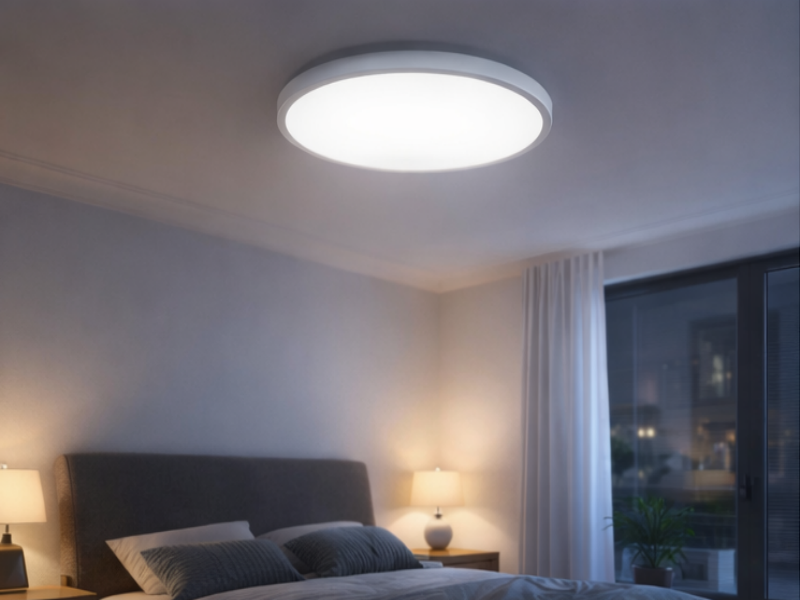
Ceiling height is often the first limiting factor in suspension system selection, but its impact goes beyond simple clearance. In commercial interiors, the relationship between ceiling height, luminaire position, and occupied space determines not only visual comfort but also functional lighting performance. A suspension system that works well in a high-ceiling atrium may create glare or visual clutter in a lower office environment if the vertical proportions are misjudged.
Spatial proportions also affect how suspended luminaires align with architectural elements such as beams, ceiling grids, or open mechanical systems. Poor alignment can disrupt visual order, especially in large spaces where lighting fixtures repeat across long sightlines. For this reason, suspension selection often involves evaluating how consistently fixture heights can be maintained across the space and how well the system tolerates minor ceiling irregularities without creating noticeable misalignment.
In practice, project teams typically assess ceiling-related constraints by considering:
● Finished ceiling height after accounting for building services and structural depth
● Desired distance between luminaires and task or circulation zones
● Visual continuity across rows of suspended fixtures
● Interaction between suspended lighting and other ceiling-mounted systems
Load capacity is a non-negotiable criterion in ceiling light suspension system selection. Every suspension system must safely transfer the weight of the luminaire, wiring, and any auxiliary components to the building structure. In commercial projects, this requirement is compounded by larger fixture sizes, longer linear assemblies, and higher expectations for long-term durability.
Structural support considerations begin with identifying the type of ceiling construction involved, such as concrete slabs, steel structures, or suspended ceiling frameworks. Each presents different anchoring possibilities and load limits. Suspension systems must be selected with a clear understanding of both static loads and potential dynamic forces, including vibration from HVAC systems or movement in industrial environments.
The table below outlines how different structural factors influence suspension system selection.
Structural Factor | Impact on Suspension System Choice |
Ceiling construction type | Determines anchoring method and allowable load |
Fixture weight | Influences cable diameter or rod thickness |
Fixture length | Affects number and spacing of suspension points |
Environmental vibration | May require rigid or reinforced suspension |
Safety margin requirements | Dictates conservative load calculations |
Ignoring these factors can lead to premature system fatigue, increased maintenance, or compliance issues, making load assessment a foundational step rather than a secondary check.
While technical limits set the boundaries of what is possible, application context determines what is appropriate. Different commercial environments impose different operational priorities on ceiling light suspension systems. Offices often prioritize visual comfort and uniformity, while retail and hospitality spaces may require more expressive layouts combined with frequent layout changes. Industrial spaces, by contrast, typically emphasize robustness and minimal movement.
Application-driven selection considers how the suspension system supports the primary function of the space over time. This includes evaluating how lighting interacts with human activity, furniture layouts, and circulation patterns. A system that performs well in one context may introduce unnecessary complexity or cost in another if the application requirements are misread.
Common application-specific considerations include:
● Offices: consistent fixture height, glare control, and ease of reconfiguration
● Retail: flexibility for display changes and precise visual alignment
● Hospitality: coordination with architectural features and ceiling treatments
● Industrial spaces: resistance to vibration, dust, and mechanical impact
These factors rarely operate in isolation and are usually weighed alongside ceiling height and load constraints during the selection process.
Commercial spaces are rarely static, and suspension system selection increasingly reflects the expectation of future change. Adjustability refers to how easily fixture height or position can be modified after installation, while modularity describes how well the system accommodates additions, removals, or reconfiguration without extensive structural work.
Suspension systems with higher adjustability can reduce disruption during renovations or tenant changes, but they may introduce additional installation complexity or maintenance requirements. Conversely, fixed systems often provide superior stability but limit flexibility if space usage evolves. The balance between these two characteristics depends on how likely the space is to be reconfigured over its operational life.
From a planning perspective, teams often evaluate:
● Likelihood of layout changes or tenant turnover
● Access to suspension components after installation
● Compatibility with modular lighting layouts
● Long-term cost implications of modification versus replacement
Installation is the stage where ceiling light suspension decisions are tested against real-world constraints. Even well-selected systems can underperform if anchoring, power integration, or construction sequencing are not properly coordinated. In commercial projects, installation requirements must be evaluated as part of system selection rather than treated as a downstream technical task, because ceiling structure, building services, and construction schedules are often tightly interdependent.
The anchoring method used for a ceiling light suspension system is determined primarily by the ceiling’s structural composition rather than by the luminaire itself. Commercial buildings often include a mix of concrete slabs, steel beams, suspended ceiling grids, and secondary framing, each of which imposes different constraints on how loads can be transferred safely. Selecting a suspension system without confirming anchoring compatibility can result in redesigns or installation delays once the ceiling is opened.
In practice, anchoring must account for both the static weight of the lighting system and the way loads are distributed across multiple suspension points. Some ceiling types allow direct anchoring into structural elements, while others require load transfer through additional brackets or framing. Installers must also consider access limitations, as anchoring points are often installed before ceiling finishes are complete.
The table below summarizes how common ceiling types influence anchoring strategies.
Ceiling Type | Typical Anchoring Approach | Key Installation Considerations |
Concrete slab | Mechanical anchors or embedded inserts | Requires accurate layout before drilling |
Steel structure | Beam clamps or welded brackets | Load distribution and corrosion protection |
Suspended ceiling grid | Independent structural hangers | Grid cannot carry luminaire weight |
Composite ceilings | Combination anchoring systems | Coordination between trades is critical |
Ceiling light suspension systems must coexist with a dense network of overhead building services, including electrical conduits, HVAC ductwork, fire protection systems, and data cabling. Integration is not limited to providing power to the luminaire; it also involves routing cables in a way that maintains accessibility, avoids interference, and complies with building regulations.
In commercial environments, power delivery is often planned in parallel with suspension layout. Decisions about whether power is routed through suspension components or delivered independently affect both installation complexity and future maintenance. Poor coordination at this stage can result in congested ceiling spaces, difficult access for inspections, or conflicts with other systems installed later in the project.
Key integration challenges typically include:
● Maintaining required clearances between lighting, ducts, and fire systems
● Ensuring cable routing remains accessible after ceiling closure
● Coordinating junction box locations with suspension points
● Avoiding excessive bends or unsupported cable runs
Successful integration relies on clear documentation and communication between electrical, mechanical, and installation teams rather than on-site adjustments after conflicts arise.
Installation sequencing plays a critical role in whether ceiling light suspension systems are installed efficiently or become a source of delays. In commercial construction, lighting installation rarely occurs in isolation; it is dependent on the completion of structural work, partial installation of building services, and the timing of ceiling finishes. Misaligned sequencing can force installers to work around finished surfaces or reinstall components multiple times.
Typically, suspension anchoring is installed early, often before ceilings are closed, while final fixture mounting and height adjustment occur later in the project. This staged approach allows for alignment checks and coordination with other trades but requires accurate planning to avoid conflicts. Changes to ceiling layouts or service routing late in the process can directly affect suspension system placement.
Effective coordination often involves:
● Aligning suspension installation milestones with ceiling and service installation schedules
● Verifying anchor locations before ceiling closure
● Allowing time for final leveling and adjustment after fixtures are mounted
● Ensuring inspection and approval steps are integrated into the workflow
Safety and compliance are foundational considerations in commercial ceiling light suspension systems, shaping not only how fixtures are installed but also how they perform over time under regulatory scrutiny. Unlike aesthetic or layout-driven decisions, safety requirements are governed by building codes, engineering standards, and inspection protocols that vary by region and project type. Addressing these factors early helps reduce approval risks and ensures that suspension systems remain compliant throughout the project lifecycle.
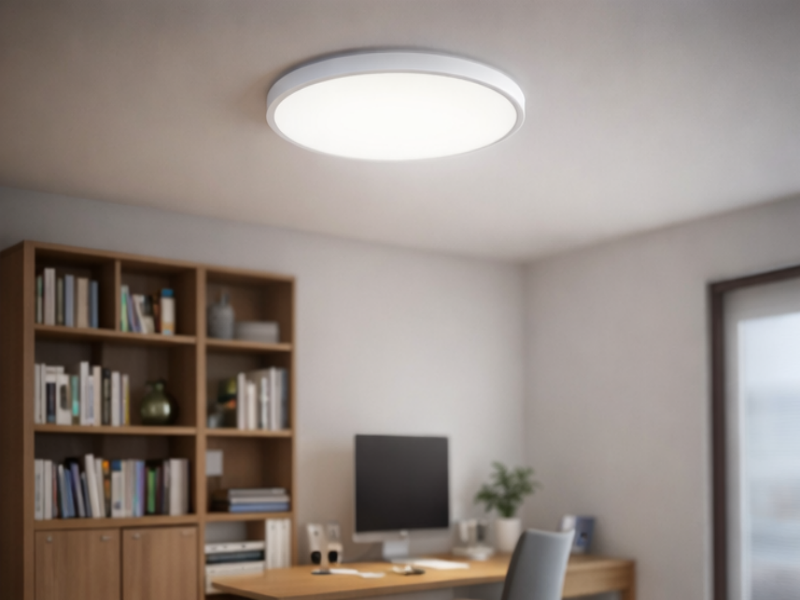
Fire safety regulations directly influence the materials and configurations permitted in ceiling light suspension systems. In commercial buildings, suspended lighting often passes through or sits within fire-rated ceiling assemblies, which means suspension components must not compromise the fire-resistance performance of the overall structure. Materials used for cables, rods, fixings, and housings are typically assessed for flame spread, heat resistance, and behavior under fire conditions.
From a practical standpoint, fire safety considerations extend beyond material selection. The way suspension systems interact with fire protection infrastructure—such as sprinklers, fire dampers, and smoke control systems—must be carefully coordinated. Improper placement can obstruct fire suppression coverage or violate clearance requirements, leading to compliance issues during inspection. Additionally, penetrations through fire-rated ceilings often require specific sealing or detailing to maintain rating integrity.
Typical fire-related checks during suspension system planning include:
● Compatibility of suspension materials with fire-rated assemblies
● Required clearances from sprinklers and fire detection devices
● Fire performance classification of exposed components
● Treatment of ceiling penetrations created by suspension anchors
In many commercial projects, especially those located in seismic zones or vibration-prone environments, ceiling light suspension systems must meet additional stability requirements. These regulations aim to prevent fixtures from detaching or swinging excessively during seismic events, mechanical vibration, or building movement. Even in non-seismic regions, vibration from HVAC systems or industrial equipment can influence suspension performance over time.
Seismic and vibration considerations often affect both the choice of suspension type and the number of anchoring points used. Systems may require secondary restraints, bracing, or specific spacing rules to limit movement under stress. Compliance is typically verified through reference to local building codes and engineering guidelines, which define acceptable movement limits and load combinations.
The table below summarizes how different environmental conditions influence suspension compliance requirements.
Condition | Primary Compliance Focus | Common Mitigation Measures |
Seismic activity | Prevent fixture detachment | Secondary restraints, bracing |
Mechanical vibration | Limit oscillation and fatigue | Rigid supports, damping |
Air movement | Reduce sway and noise | Additional stabilization points |
Long-span fixtures | Control deflection | Increased suspension density |
Compliance is not achieved through design alone; it is demonstrated through documentation, inspection, and verification at multiple stages of project delivery. Ceiling light suspension systems are typically reviewed as part of broader electrical and structural inspections, requiring clear records of load calculations, material specifications, and installation methods. Incomplete or inconsistent documentation can delay approvals even when the physical installation meets technical requirements.
During construction, inspections may occur at different phases, such as after anchoring installation but before ceiling closure, and again after fixtures are fully mounted and adjusted. Responsibility for compliance is often shared among designers, installers, and contractors, making coordination essential. Clear assignment of roles helps ensure that required checks are completed and recorded without gaps.
Common compliance-related deliverables include:
● Suspension system drawings and load calculations
● Material certifications and fire performance documentation
● Installation records and inspection reports
● Final sign-off confirming conformity with applicable codes
Q1: What is Ceiling light suspension in commercial projects?
A: Ceiling light suspension refers to structural methods for hanging luminaires, ensuring safe load transfer, proper height, and regulatory compliance.
Q2: How does Ceiling light suspension affect installation planning?
A: Ceiling light suspension influences anchoring methods, power routing, and coordination with ceilings, reducing rework and installation conflicts.
Q3: How should Ceiling light suspension be selected for different commercial spaces?
A: Ceiling light suspension selection depends on ceiling height, fixture weight, and space use across offices, retail, hospitality, or industrial environments.
Q4: Does Ceiling light suspension impact safety and compliance?
A: Ceiling light suspension affects fire ratings, seismic stability, and inspection requirements, making code-aligned system selection essential.