Author: Site Editor Publish Time: 26-02-2026 Origin: Site


Flood lights are a game-changer when it comes to illuminating outdoor and indoor spaces, but deciding between flood lights and spotlights can be tricky. Each serves a unique purpose, from broad area coverage to highlighting specific features. In this guide, we’ll explore key differences, beam angles, mounting tips, and energy-saving options to help you choose the right light for your needs. Whether it’s security, ambiance, or task lighting, understanding these options ensures your space looks bright, safe, and visually appealing.
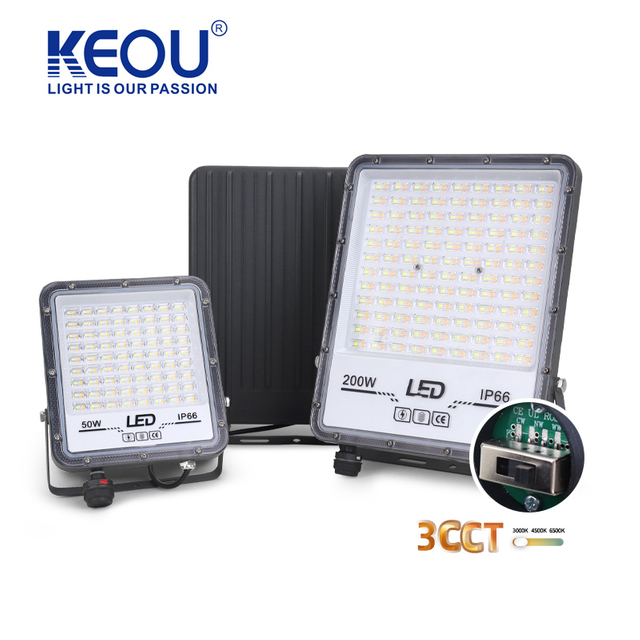
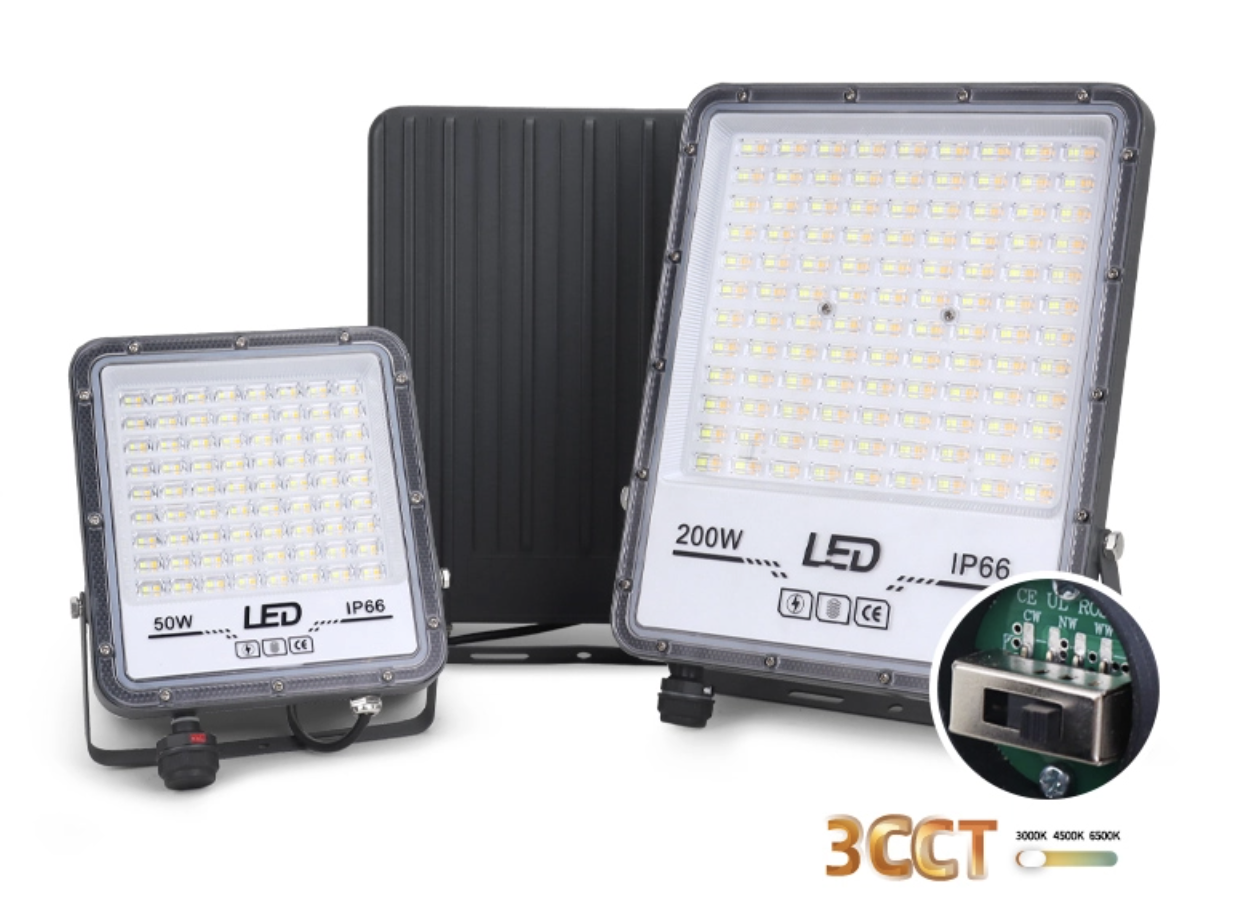
A flood light is a type of fixture designed to illuminate large areas evenly. It spreads light broadly, rather than focusing on one specific point.
Beam Angles & Coverage: Typically ranges from 45° to 120°. They cover yards, driveways, parking lots, and open spaces. The wide beam ensures most of the area receives illumination.
Common Uses: Outdoor security, general ambient lighting, façade lighting, sports fields. Indoors, they can provide bright room lighting in garages or warehouses.
Pros: Wide coverage, enhances safety, works well for outdoor areas, often long-lasting.
Cons: Less concentrated brightness, shorter throw distance, potential light spillage if not aimed properly.
Variations:
LED floodlights for energy efficiency.
Solar-powered floodlights for areas without wiring.
Motion-sensor floodlights for security and convenience.
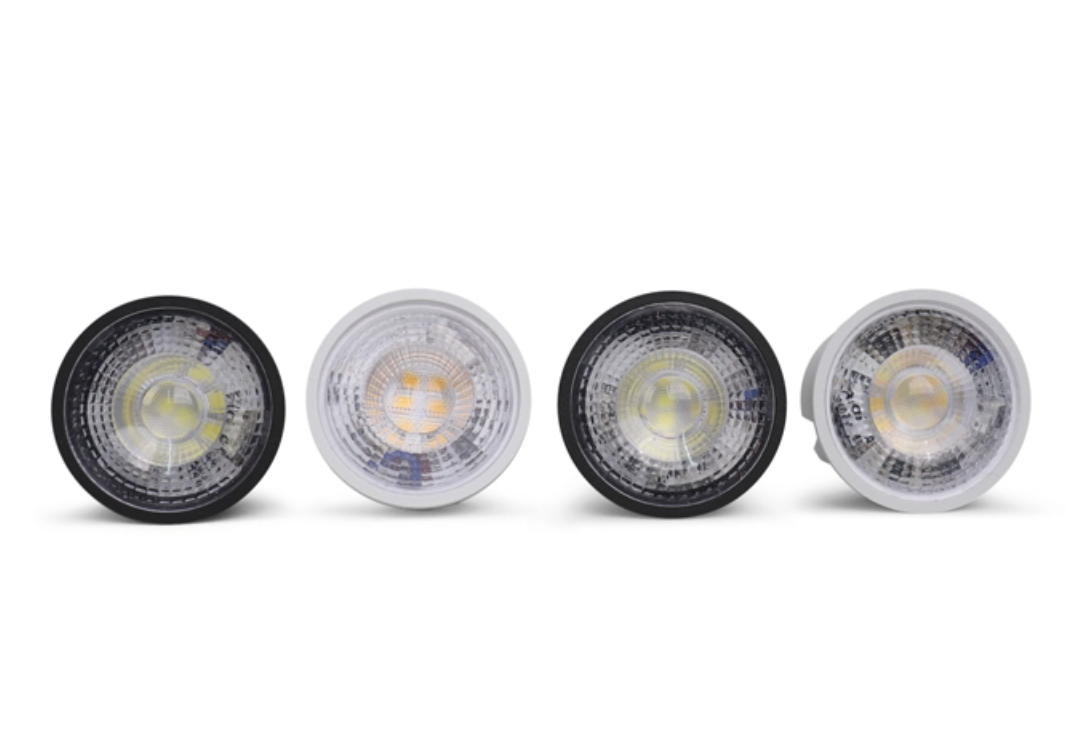
A spotlight is a fixture that creates a focused, narrow beam of light. It targets specific objects or locations instead of lighting a wide area.
Beam Angles & Coverage: Usually between 10° and 40°, giving a concentrated beam that reaches farther distances.
Common Uses: Highlighting trees, sculptures, pathways, or architectural features. Indoors, it works well for artwork, kitchen islands, or display shelves.
Pros: Intense, focused light; highlights specific features; long-distance reach.
Cons: Covers small area; may require multiple fixtures to light larger spaces.
Variations:
LED spotlights for better energy efficiency.
Solar spotlights for outdoor setups without wiring.
Adjustable spotlights to change focus or angle.
App-controlled or smart spotlights for convenience.
| Feature | Flood Light | Spotlight |
|---|---|---|
| Beam Angle | Wide (45°–120°) | Narrow (10°–40°) |
| Light Intensity | Less concentrated | More intense |
| Coverage Area | Large, broad | Small, focused |
| Throw Distance | Shorter | Longer |
| Mounting & Height | Often high, fixed | Can be mounted lower, adjustable |
| Energy & Cost | Uses more fixtures for long-range | Fewer fixtures, higher intensity per unit |
Flood lights spread light evenly across open spaces, while spotlights focus energy on a target. They are designed differently, so your choice depends on whether you need broad visibility or precise illumination.
The first step is figuring out what you want to light. Do you need broad illumination or focused highlights? Floodlights are perfect for general coverage, while spotlights target specific features.
Indoor vs Outdoor: Indoor areas often benefit from spotlights for accent or task lighting, whereas floodlights handle garages, hallways, or large rooms. Outdoors, floodlights cover yards or driveways, and spotlights highlight trees, sculptures, or entrances.
Safety and Security: Floodlights can brighten potential hazards across wide areas. Spotlights can monitor access points, gates, or dark corners.
Beam angle affects how far and wide light travels. Wider angles spread illumination across larger spaces, narrower angles focus light farther.
Floodlights: Wide beams (45°–120°) work for patios, parking lots, or general yard coverage.
Spotlights: Narrow beams (10°–40°) reach distant targets while keeping intensity high.
Example: Use a floodlight to light a driveway. Use a spotlight to accent a decorative tree in the yard.
Where you place a fixture impacts performance. High mounting spreads light broadly. Low mounting delivers more concentrated illumination.
Residential vs Commercial: Homes often mount floodlights near eaves or poles. Businesses place lights higher to cover larger areas efficiently.
Impact on Beam Spread: Mounting height changes both coverage area and throw distance. Proper placement prevents dark spots or over-lighting.
Lighting isn’t just functional—it sets mood and style. You can layer floodlights and spotlights to create depth and visual interest.
Layering: Start with floodlights for base illumination, then add spotlights for highlights.
Effects: Floodlights produce ambient wash. Spotlights create dramatic contrast.
Combining Both: A garden can feel inviting with floodlights illuminating paths, while spotlights draw attention to statues or trees.
Choosing the right technology saves power and improves comfort. LEDs often outlast halogens or incandescents and consume less energy.
Sensors and Controls: Motion sensors, dimmers, and timers optimize usage.
Glare and Light Pollution: Proper aiming avoids disturbing neighbors or drivers. Shielded fixtures reduce spillage while maintaining visibility.
| Feature | Flood Light | Spotlight |
|---|---|---|
| Energy Use | Moderate, depends on size | Efficient for focused lighting |
| Glare Risk | Higher if unshielded | Lower when properly aimed |
| Best For | Area coverage, safety | Feature highlighting, accents |
| Controls | Motion sensors, timers | Dimming, smart apps |
LED lights dominate modern lighting for good reason. They last far longer than halogen or incandescent bulbs, often 25,000+ hours.
Energy Efficiency: LEDs use significantly fewer watts per lumen.
Brightness & Output: LEDs maintain consistent intensity over time, unlike traditional bulbs that dim.
Cost Considerations: Higher upfront cost, but lower energy bills and reduced replacement frequency.
Traditional options still exist, but they can be less reliable and more expensive to maintain over time.
Technology can make lights more flexible and energy-conscious.
Smart Home Integration: Many floodlights and spotlights connect to apps or voice assistants. You can schedule, dim, or change color remotely.
Solar-Powered Fixtures: Solar options reduce electricity costs and simplify installation. Panels charge during the day, lights automatically turn on at night.
Both features help cut energy waste while giving you control over when and how your lights operate.
Automation improves both safety and efficiency.
Motion Sensors: Turn lights on when movement is detected. Ideal for entrances, yards, and security zones.
Dusk-to-Dawn Sensors: Lights automatically activate at sunset and turn off at sunrise, ensuring illumination only when needed.
Energy Savings: These sensors prevent lights from running all night, reducing energy use and cost.
Many modern fixtures combine motion and dusk-to-dawn sensors for convenience and security.
Flexibility in light direction and beam patterns can enhance performance.
Adjustable Floodlights: You can change the beam spread to cover wider or narrower areas.
Spotlights with Zoom or Multi-Beam: Modify focus for long-distance illumination or closer, detailed lighting.
Dual-Beam Headlamps: Combine wide flood coverage and focused spotlight beams, perfect for hiking, camping, or tactical situations.
| Feature | Benefits | Best Use |
|---|---|---|
| LED | Long-lasting, energy-efficient | Indoor/outdoor general lighting |
| Smart | Remote control, scheduling | Convenience and automation |
| Solar | Low electricity cost | Outdoor areas, eco-friendly setups |
| Motion/Dusk-to-Dawn | Security, energy savings | Entrances, yards, driveways |
| Adjustable/Dual-Beam | Flexible coverage, focus | Trails, outdoor tasks, accent lighting |
A: You can, but results vary. Spotlights may not cover wide areas, and floodlights may over-illuminate small targets.
A: Floodlights provide broad coverage for safety, while spotlights highlight specific access points. A combination often works best.
A: Floodlights: 6–15 meters for wide coverage. Spotlights: 3–8 meters to focus on specific objects.
A: Yes. LEDs offer higher lumen output, longer lifespan, and lower energy consumption than halogen or incandescent lights.
A: Absolutely. Floodlights provide base illumination, spotlights add accents, creating depth and visual interest.
Choosing between flood lights and spotlights doesn’t have to be confusing. Think about your space, coverage needs, and the effects you want to create. Mixing both can deliver balanced illumination, enhance safety, and highlight key areas beautifully.
Guangzhou Keou Lighting Co., Ltd. offers a wide range of high-quality LED flood lights and spotlights that combine durability, efficiency, and smart features. Explore our products to find the perfect lighting solution for your home, business, or outdoor projects.