
Author: Site Editor Publish Time: 26-02-2026 Origin: Site


Flood lights brighten outdoor spaces with wide coverage, energy efficiency, and high visibility. Unlike regular lights, they secure property, highlight landscapes, and light large areas effectively. This guide explains the key differences between flood lights and regular bulbs, covering brightness, durability, and energy use, helping you choose the right lighting for your home or business.
Beam angle determines how far and wide a light spreads. Flood lights typically have wide angles, ranging from 45° to 120°. They illuminate large areas evenly, reducing shadows. Regular lights, like spotlights or standard bulbs, usually have narrow angles under 45°. They focus on a smaller space, creating intense light on specific points.
Use Cases:
Flood Lights: Parking lots, sports fields, backyard security, building facades
Regular Lights: Reading corners, accenting sculptures, highlighting plants or pathways
| Light Type | Beam Angle | Coverage | Effect |
|---|---|---|---|
| Flood Light | 45°–120° | Large areas | Uniform, broad spread |
| Regular Light | <45° | Small areas | Focused, concentrated |
Flood lights, especially LED, produce high lumens per watt (80–120 lm/W). Regular bulbs, including incandescent or halogen, usually generate less light per energy unit. A 15W LED flood light can match the brightness of a 50W halogen bulb.
Energy efficiency differences affect electricity bills. LEDs consume less power, offer brighter coverage, and reduce overall energy use. Traditional bulbs need more energy for the same effect.
| Feature | LED Flood Light | LED Regular Bulb | Incandescent |
|---|---|---|---|
| Luminous Efficacy | 90–100 lm/W | 70–90 lm/W | 10–15 lm/W |
| Typical Lumens | 1,000–5,000+ | 400–1,600 | 400–1,600 |
| Energy Consumption | Low | Moderate | High |
LED flood lights can last 30,000–50,000 hours, often decades outdoors. Halogen or incandescent lights last far shorter, usually 2,000–2,500 hours. Frequent replacements add cost and hassle. Flood lights are built to handle outdoor conditions. Regular bulbs are more fragile, often shattering under impacts or temperature swings.
Maintenance Tips:
Check LED flood light housings for dust or debris
Replace halogen bulbs regularly to maintain brightness
Consider long-life LEDs for areas with hard access
Outdoor lighting needs protection from weather. IP ratings indicate this. IP65 means dust-tight and water jets safe; IP66 handles stronger water jets. Flood lights often use aluminum for strength, lightweight handling, and corrosion resistance. Regular bulbs use glass or plastic, less durable outdoors.
They must withstand wind, moisture, and temperature changes. LED flood lights often survive storms, snow, or hot summers better than traditional bulbs.
| Feature | Flood Light | Regular Light |
|---|---|---|
| IP Rating | IP65/IP66 | Limited |
| Material | Aluminum | Glass/Plastic |
| Outdoor Durability | High | Low–Moderate |
LED flood lights come in warm, neutral, or cool white, and maintain a high CRI, often above 80. They switch on instantly and provide flicker-free, even brightness.
Regular lights may offer limited color temperatures and lower CRI. They can flicker, dim over time, or take longer to reach full brightness. Flood lights allow consistent illumination across large areas, while regular bulbs focus on a small spot.
Adjustable color temperature improves ambiance
Flicker-free LEDs reduce eye strain
High CRI ensures colors appear true and natural
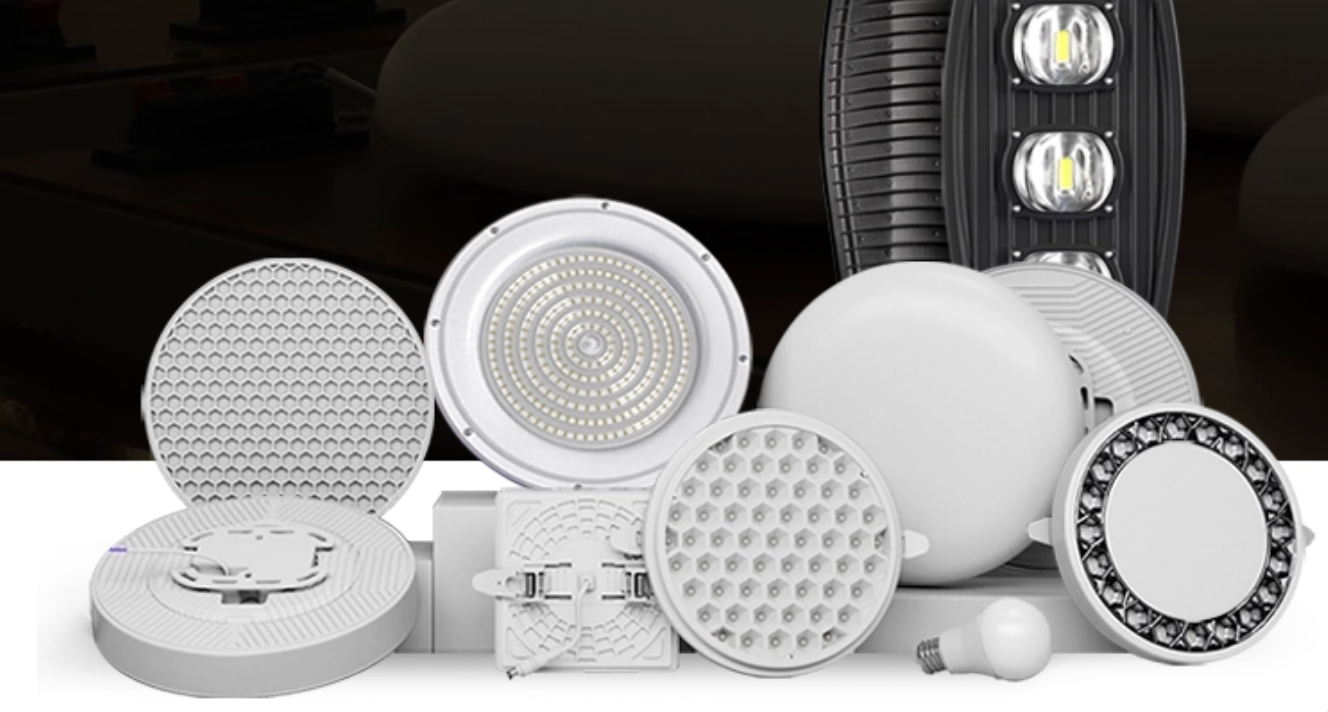
Flood lights shine where wide, consistent illumination is needed. They are perfect for security lighting around homes or businesses. Motion sensors and wide beam angles make them excellent for deterring intruders. They also work well in large outdoor areas, like parking lots, stadiums, or sports fields, ensuring visibility across vast spaces. Landscape lighting is another use—flood lights highlight gardens, large trees, or building facades, giving dramatic effect.
Commercial and industrial spaces benefit too. Warehouses, loading docks, or construction sites often need flood lights for even coverage and safety.
Broad coverage reduces dark spots
Ideal for security and safety purposes
Supports outdoor and industrial environments
Regular lights excel at highlighting specific features or providing focused illumination. Use them for accent lighting to showcase artwork, sculptures, or architectural elements.
They also work for decorative purposes in smaller spaces, both indoors and outdoors. Traditional or retro-style projects may favor them, especially when a cozy ambiance or budget-friendly solution is desired.
Concentrated lighting for small areas
Enhances visual appeal and decor
Suitable for retro or low-cost designs
Placement depends on the light type and purpose.
| Light Type | Ideal Placement Examples | Notes |
|---|---|---|
| Flood Light | Driveways, backyards, parking lots, sports fields | Wide beams, high coverage, security-focused |
| Regular Light | Small patios, indoor artwork, garden sculptures | Focused beams, decorative, creates ambiance |
| Smart Integration | Both types in connected lighting systems | Remote control, scheduling, dimming, energy savings |
For outdoor pathways or driveways, flood lights provide safety at night. In contrast, regular lights can illuminate a small decorative corner or garden feature. Smart lighting systems can manage both types efficiently, allowing scheduling, dimming, or motion-activated control.
LED flood lights outperform halogen, incandescent, and fluorescent lights in energy efficiency. They use far fewer watts to produce the same brightness. For instance, a 1,600-lumen LED flood light may only consume 15 watts, while a halogen equivalent can use 50 watts.
This efficiency translates to lower electricity bills and a smaller carbon footprint. Over time, switching to LEDs can reduce energy consumption by up to 75%, especially for lights used several hours daily.
Less energy per lumen
Instant-on performance, no warm-up needed
Reduced heat output saves energy further
LEDs cost more upfront, but they save money over time. Fewer replacements and minimal maintenance cut operational costs.
Residential example: A backyard using four LED flood lights for 4 hours nightly costs significantly less annually than halogen lights.
Commercial example: Parking lots or warehouse lighting with LED flood lights reduce energy bills and maintenance calls over years, improving ROI.
| Feature | LED Flood Light | Halogen Flood Light | Incandescent Bulb |
|---|---|---|---|
| Initial Cost | Moderate–High | Low–Moderate | Low |
| Lifespan | 30,000–50,000 hrs | 2,500 hrs | 1,000 hrs |
| Maintenance Frequency | Low | High | High |
| Energy Cost Over 5 Years | Low | High | Very High |
LED flood lights deliver high lumen output and adjustable beam angles, providing uniform coverage across large areas. They maintain consistent brightness without flicker and often have better Color Rendering Index (CRI), making colors appear natural.
In contrast, traditional halogen or incandescent bulbs can create hot spots or uneven lighting. LEDs also offer multiple color temperatures, from warm to cool white, making them more versatile for outdoor environments.
Key Advantages of LEDs:
Adjustable beam angle and brightness
High CRI for natural color rendering
Stable, flicker-free light
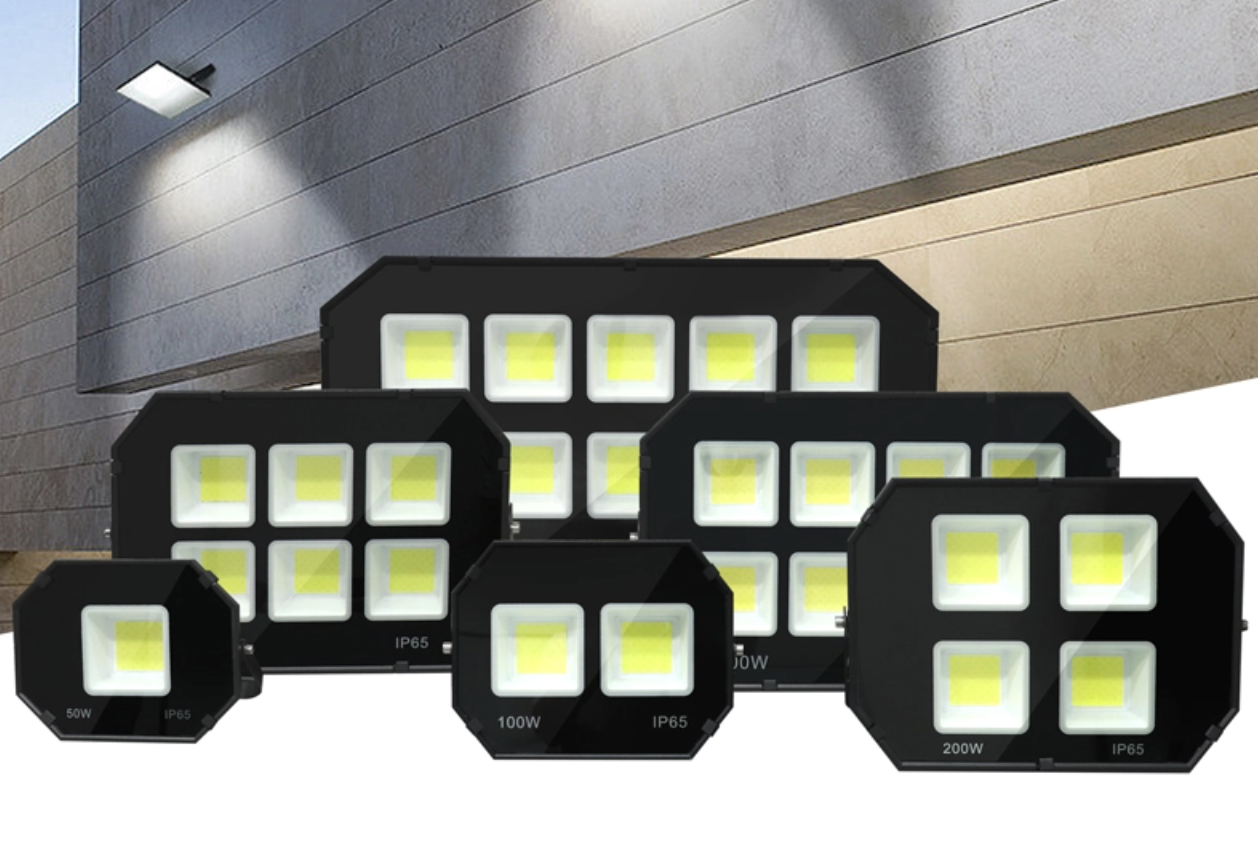
LED flood lights are built for outdoor conditions. Aluminum housings, tempered glass, and IP65/IP66 ratings protect against dust, rain, wind, and temperature changes. They can last 30,000–50,000 hours, compared to 2,500 hours for halogen flood lights. This durability means fewer replacements and lower long-term costs, especially in exposed or industrial areas.
Materials and Protection:
Aluminum casing for strength and corrosion resistance
Tempered glass or polycarbonate lens for impact resistance
IP-rated sealing for moisture and dust protection
A: Only if the fixture supports the flood light’s base, wattage, and size. Check specifications before replacing.
A: Yes, they are safe when installed correctly. Many have certifications like CE, UL, and RoHS for home and outdoor use.
A: Typically around 8–12 feet for residential areas. Higher mounting increases coverage, while lower mounting improves intensity for smaller spaces.
A: Yes, many LED flood lights support smart controls via apps, voice commands, or home automation systems.
A: Absolutely. Energy-efficient LEDs reduce electricity bills and require fewer replacements, offering long-term savings over halogen or incandescent lights.
Choosing the right outdoor lighting can transform your space, and understanding the difference between flood lights and regular lights is key. Flood lights deliver broad, powerful illumination, while regular bulbs excel in focused or decorative areas.
At Guangzhou Keou Lighting Co., Ltd., we provide high-quality LED flood lights designed for durability, energy savings, and smart integration. Explore our solutions to boost security, enhance curb appeal, and enjoy cost-effective lighting that lasts for years.


