
Author: Huang Publish Time: 01-01-2026 Origin: Site


When you pick a led ceiling light, you want to be sure it is safe. You also want it to work well and not hurt the environment. Lighting certifications help you make good choices. These marks show the light is safe and smart to use. Here are some of the most well-known certifications you might see:
| Certification | Issuing Body | Description |
|---|---|---|
| UL | Underwriters Laboratories | Known for safety and performance rules in North America. |
| ETL | Intertek | Checks if the light is safe and works well. |
| FCC | Federal Communications Commission | Makes sure the light does not cause signal problems. |
| Energy Star | U.S. Environmental Protection Agency | Shows the light saves energy and works well. |
| CE | European Union | Proves the light meets health and safety rules in the EEA. |
| VDE | Verband der Elektrotechnik | Means the light is safe and good quality in Europe. |
You can trust these marks to keep your home safe. They help you save energy and care for the planet.
When you buy LED ceiling lights, look for marks like UL, Energy Star, and DLC. These marks show the lights are safe and save energy.
Certified LED lights help stop fires and electrical problems. They go through tough safety tests. This makes you feel safe at home.
Picking certified lights helps you spend less on your electric bill. They use less energy and last longer than old bulbs.
Certified LED lights are good for the planet. They make less greenhouse gas and do not have bad chemicals.
If you are not sure, check the certification marks online. This helps you stay away from fake lights and pick safe ones.

You want your house to be safe. Lighting certifications help with this. Certified LED ceiling lights lower the chance of fires. They also help stop electrical problems. These certifications mean the lights passed hard safety tests. You can trust these lights use good materials. They follow important safety rules. Lights without certifications might get too hot. They could use bad materials. This can cause fires or other dangers. Using certified lights also helps you avoid legal trouble. Building codes often need certified products. They can also help if you need to make an insurance claim.
Certified lights pass strong safety tests.
They use better parts and last longer.
Lights without certification can be dangerous.
Certified lights help you follow building rules.
Lighting certifications do more than keep you safe. They also help you save energy. Certified LED ceiling lights use less power than old bulbs. You pay less for electricity because these lights last longer. They also need less fixing. You get bright, steady light and do not waste energy. Certified lights work better and help you use less power at home.
LED ceiling lights use less power than old bulbs.
You save money because certified lights last longer.
Certified lights give you more light for less energy.
You help the earth when you pick certified LED ceiling lights. These certifications show the lights meet tough environmental rules. One LED ceiling light can stop about 1,000 pounds of CO2 from going into the air. LEDs last longer, so you throw away fewer lights. This means less trash. Certified lights do not have harmful stuff like mercury. This makes them safer for the earth. You can also recycle LEDs when they stop working.
Certified LEDs lower greenhouse gas pollution.
They use less power, so there is less pollution.
LEDs do not have dangerous chemicals and can be recycled.
Tip: Always look for lighting certifications before you buy. You will get safer, better, and greener lights for your home.
UL certification comes from Underwriters Laboratories. This group is known for checking safety. If you see a UL listed mark, the light passed tough safety tests. UL checks for things like electric shock, getting too hot, and fire. The process has many steps. They test the product, look at how it is made, and check the factory. UL listed lights must pass tests for not catching fire, handling high voltage, staying cool, not shaking loose, and not rusting. These steps make sure your led ceiling light is safe and works well.
| Detection Type | Detection Item | Detection Content |
|---|---|---|
| General Detection | Structural Inspection | Checks if the lamp is strong and built well. |
| Material Flame Retardancy | Flame Retardancy Test | Sees if the lamp’s parts can stop fire. |
| Dielectric Strength Test | High Voltage Test | Checks if the lamp is safe with high electricity. |
| Temperature Rise Test | Overheating Test | Watches the lamp’s heat when it is on. |
| Vibration Test | Stability Test | Makes sure the lamp does not move or fall. |
| Salt Spray Test | Corrosion Resistance | Checks if the lamp can handle rust in bad places. |
You can trust UL certification to keep you safe. UL listed led ceiling lights help you avoid danger and follow rules. This safety mark helps you feel safe at home.

ETL certification is another safety mark for led ceiling lights. Intertek, a big testing company, gives out ETL certification. Like UL, ETL checks for safety and how well the light works. ETL listed lights go through tests and checks, but the process is faster and costs less for companies. ETL is good for companies who want to sell lights quickly. You still get lights that are safe and work well.
| Aspect | ETL Certification | UL Certification |
|---|---|---|
| Testing Process | Faster and simpler | More tests and checks |
| Recognition and Trust | Not as well-known | More people know and trust UL |
| Cost | Cheaper for companies | Costs more for companies |
Many people trust UL because it has been around longer. ETL is also a safe and good choice. ETL listed led ceiling lights must meet the same safety rules as UL. ETL helps you find lights that are safe, work well, and save energy.
ETL is picked because it is cheaper and faster.
Some people like UL more because it is older.
DLC certification comes from the Design Lights Consortium. This mark is about saving energy and working well, mostly for businesses. DLC approved lights must meet rules for how bright they are, how colors look, how the light spreads, how they handle heat, and how long they last. DLC premium 5.1 means the light is even better.
Must be bright enough (lumens per watt)
Good color and light spread
Handles heat and lasts a long time
DLC certification is needed for some money-back programs. Many power companies want DLC listed lights for rebates. If you pick DLC certified lights, you save energy and might get money back. DLC helps you find lights that save power and last longer.
Energy Star certification is a famous mark for energy-saving led ceiling lights. The U.S. Environmental Protection Agency runs this program. Energy Star lights must meet tough rules for saving power, color, and lasting a long time. You get lights that use less power, last longer, and give steady, good light.
| Criteria | Description |
|---|---|
| Color Maintenance | Color should not change much over time. |
| Efficiency | Must give at least 82 lumens per watt. |
| Light Output | Must be bright enough for its size. |
| Color Appearance | Must have certain color choices. |
| Color Quality | Must have a high color score (CRI ≥ 80). |
| Downlight Life | Must last at least 25,000 hours. |
| Dimming | Must dim smoothly and quietly. |
| Standby Power | Should not use power when off (with some exceptions). |
| Warranty | Must have a 3 or 5 year warranty. |
| Power Factor | Must be at least 0.7. |
| Thermal Performance | Must handle heat well to keep color and light steady. |
Energy Star helps you pick led ceiling lights that save money and power. You can trust Energy Star lights to be safe and work well.

CE marking is needed for led ceiling lights sold in Europe. This mark shows the light meets health, safety, and environmental rules in the EU. To get CE marking, companies must do a few things:
Find out which rules and standards apply.
Check if the product follows the rules.
Make technical papers.
Write a Declaration of Conformity.
Put the CE mark on the product and box.
| Documentation | Description |
|---|---|
| Declaration of Conformity (DoC) | Shows the product follows EU rules. |
| User instructions and information | Must come with the product. |
| Technical documentation | Proves the product meets the rules. |
| Test reports | Show the product is safe and works well. |
CE marking is a must for led ceiling lights in Europe. Without it, you cannot sell your lights there. CE covers safety, electromagnetic rules, and protecting the environment.
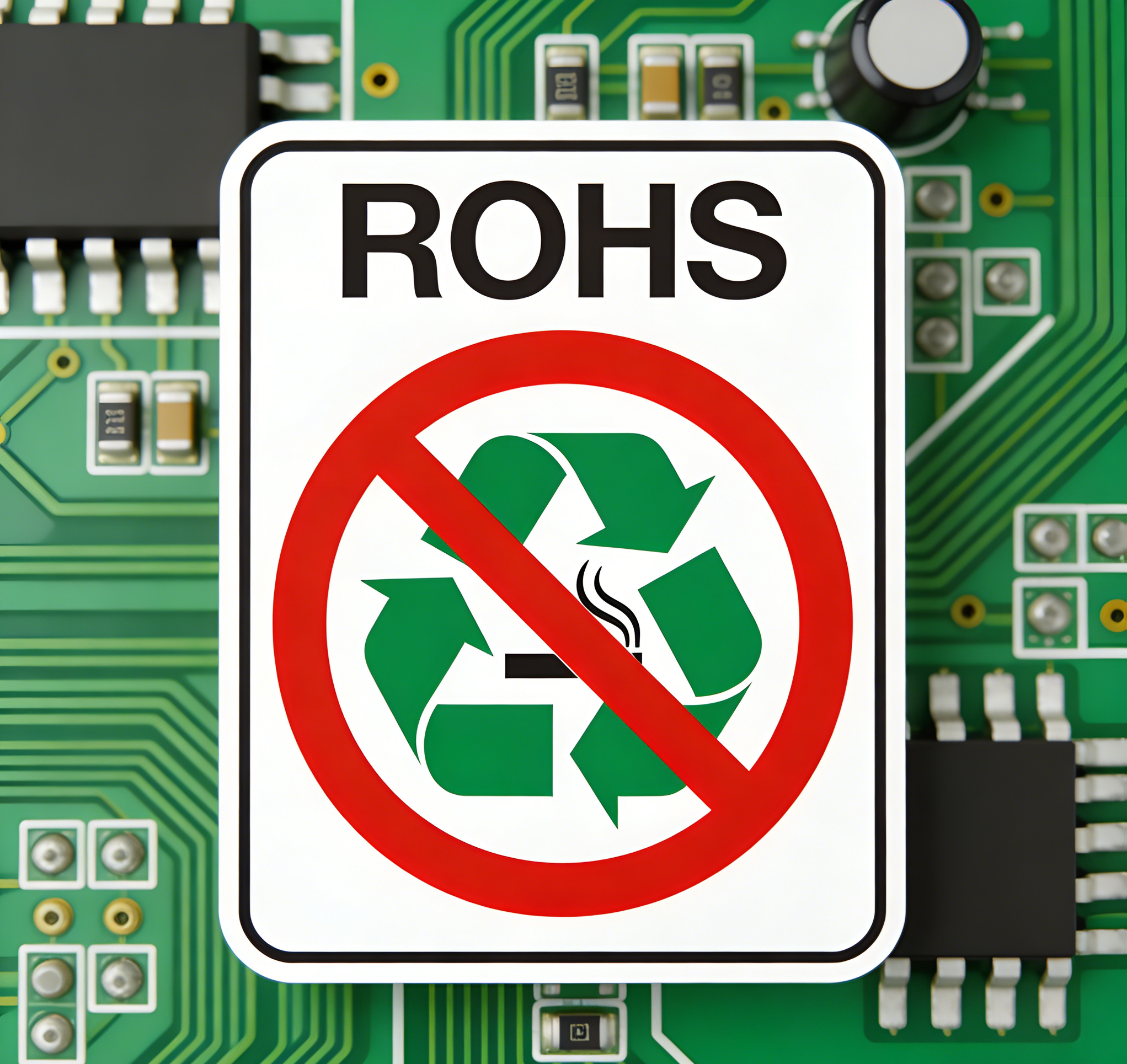
RoHS certification means Restriction of Hazardous Substances. This mark limits dangerous chemicals in led ceiling lights. RoHS stops things like lead, mercury, cadmium, hexavalent chromium, polybrominated biphenyls, and polybrominated diphenyl ethers. Most of these can only be 0.1% by weight. RoHS helps keep people and the earth safe by keeping bad stuff out of lights.
Lead (Pb)
Mercury (Hg)
Cadmium (Cd)
Hexavalent chromium (Cr6+)
Polybrominated biphenyls (PBB)
Polybrominated diphenyl ethers (PBDE)
RoHS is often needed for CE marking and helps make sure led ceiling lights follow the rules.
FCC compliance is important for led ceiling lights sold in the U.S. The Federal Communications Commission makes rules to stop signal problems. LED ceiling lights are called unintentional radiators under FCC Part 15. They must not make too much radio noise or mess up TV signals. FCC compliance means the light will not cause problems and follows the rules.
Must follow Section 15.109 for radio noise from 30 MHz to 1000 MHz.
Must stop working if it causes problems.
Companies should use good design and building.
FCC compliance helps you avoid trouble with other electronics at home. You can trust FCC compliant led ceiling lights to be safe and work well.
ANSI and NEMA make important rules for led ceiling lights. These groups set safety and performance rules for certified lights. ANSI and NEMA rules cover saving energy, good light, parts that fit together, and making rules with help from many people.
| Aspect | Description |
|---|---|
| Energy Consumption | Rules help lights use less power but still work well. |
| Lighting Quality | Makes sure the light is good for what you need. |
| Compatibility of Components | Makes sure parts work together and can be swapped. |
| Consensus-Based Process | Many people help make the rules so they are fair and useful. |
You can trust led ceiling lights that follow ANSI and NEMA rules. These rules help keep lights safe and working well. When you see ANSI or NEMA marks, you know the lights meet high safety and performance rules.
Tip: Always look for marks like UL, ETL, DLC, Energy Star, CE, RoHS, FCC, ANSI, and NEMA before you buy a led ceiling light. Certified lights give you safety, save energy, and help you feel safe.

You can find certified LED ceiling lights by looking at the product labels and marks. These marks are on the box or on the light. They show the light meets safety, energy, and environmental rules. Look for these common certification logos:
UL (Underwriters Laboratories): This means the light is safe in the U.S. and Canada.
Energy Star: This shows the light saves energy and works well.
DLC (DesignLights Consortium): This is for high-efficiency lights used in businesses.
FCC: This makes sure the light does not mess up signals.
CE Marking: This proves the light is safe and healthy for Europe.
RoHS: This means the light does not have dangerous chemicals.
| Certification | Description | Importance |
|---|---|---|
| UL | Safety certification for lights in the U.S. and Canada. | Makes lights safer and lowers electrical risks. |
| Energy Star | U.S. government mark for saving energy. | Means the light uses less energy and is better quality. |
| DLC | For high-efficiency business lights. | Shows the light saves energy and can get rebates. |
| FCC | Checks for electromagnetic interference. | Stops the light from messing up other electronics. |
| CE | Needed for products in Europe. | Makes sure the light is safe and follows EU rules. |
| RoHS | Limits harmful materials in electronics. | Makes sure the light does not have bad chemicals. |
Tip: Always look for clear and correct certification marks. If a logo is faded or spelled wrong, it could be fake.
You can check if a certification mark is real by going online. Here are some steps:
Find the label or code on the LED ceiling light or its box.
Make sure the label is easy to see and stuck on well.
Go to the official website for the certification, like UL, Energy Star, or DLC.
Type in the product’s code or search for the brand and model.
See if the product is listed in the official database.
If you do not find the product online, ask the seller for proof or pick another brand. Checking certifications online helps you stay away from fake or unsafe lights.
You should learn what real certification symbols look like. In the U.S., the most trusted ones are UL, DLC, and Energy Star. These marks show the light is safe and saves energy. Other important marks are FCC, RoHS, and CE. Real marks have the right shape, correct spelling, and are the right size. For example, a real CE mark has letters that are the same height and at least 5mm tall.
Pick brands you know and trust.
Ask for test reports or certificates if you are not sure.
Watch out for labels that look strange or do not follow the rules.
Note: Knowing these symbols helps you choose safe, energy-saving, and legal LED ceiling lights for your home.

When you buy LED ceiling lights, look for certification logos. These logos are on the box or the light. The most common ones are UL, ETL, Energy Star, DLC, FCC, CE, and RoHS. These marks mean the light is safe and saves energy. They also show the light is good for the environment. You can find these logos near the product name or on the back.
A real certified LED ceiling light label gives more than a logo. You should see the brand name and model number. The label also shows voltage, wattage, and the certification mark. Some labels have a control or file number. This number helps you check the product online. Always read the label before you buy.
Fake certification marks can look almost real. Sometimes the logos are blurry or spelled wrong. They might be the wrong size. Real marks have sharp lines and correct spelling. They use the right colors. If a mark looks strange, check it online or ask the seller.
Tip: If a label looks odd or a logo is missing, do not trust the product.
You can use official websites to check if a product is certified. For example, visit the UL, Energy Star, or DLC websites. These sites let you search by brand, model, or control number.
Find the certification mark and control number on the product.
Go to the official certification website.
Enter the control number or model name.
See if the product is in the database.
If you cannot find the product online, contact the seller. Ask for a test report or certificate. If you still have doubts, pick another product. Certified lights help keep you safe.
Real certification symbols have clear lines and correct spelling. They are the right size. For example, the UL mark has bold letters in a circle. The Energy Star logo has a blue star and white text.
You might think a fake mark is real if you do not look closely. Watch for marks that are faded or spelled wrong. Some fake products use marks that look similar but are not right.
You can learn about certification marks from official websites like UL, Energy Star, and DLC. These sites show real logos and explain what they mean. You can also find guides and pictures to help you spot real marks.
Note: Checking certifications helps you buy safe, legal, and energy-saving LED ceiling lights.
Picking LED ceiling lights with certifications keeps you safe and happy. These lights are better for the earth and lower risks at home. The table below lists the main good things:
| Benefit Type | Description |
|---|---|
| Safety | Certifications like UL Listed mean your lights are safer. They help stop electrical problems. |
| Quality Assurance | Certifications protect you from bad lights and fake products. |
| Environmental Impact | Certified LEDs use less power and are better for the planet. |
You should look for these important certifications before buying:
DLC: Lights last longer and work really well.
UL: Follows strong safety rules.
CEE: Checks if the light saves energy.
Energy Star: Trusted for using less energy.
Remember: Certified LED ceiling lights make your home safer, save you money, and help the earth. Always check certifications before you buy.
The UL mark shows you that the light passed strict safety tests. You can trust that the product will not overheat or cause electrical problems. This mark means the light meets important safety standards.
You can visit the official website for the certification, like UL or Energy Star. Enter the model number or control number from the label. If you see your product listed, the certification is real.
Energy Star certified lights use less energy and last longer. You save money on your electric bill. These lights also help protect the environment by using less power.
Both UL and ETL test for safety. UL is more well-known, but ETL uses the same standards. You can trust both marks to show the light is safe.
You should not use lights without certifications. These products may not be safe. They could cause fires or electrical problems. Always choose certified lights for your safety.


