Author: Huang Publish Time: 02-04-2026 Origin: Site


If you’re sourcing LED flood lights for sports venues, parking/roadway areas, logistics yards, or facade lighting, “COB vs SMD” can sound like a simple checkbox.
It isn’t.
COB and SMD describe how the LEDs are packaged—but performance in the field is determined by the full system: optics, thermal design, driver quality, and glare control. Still, the LED package choice does influence beam quality, uniformity, and serviceability.
Below is a practical framework to help you choose with fewer returns and fewer surprises during commissioning.
Decision factor | COB flood light | SMD flood light |
|---|---|---|
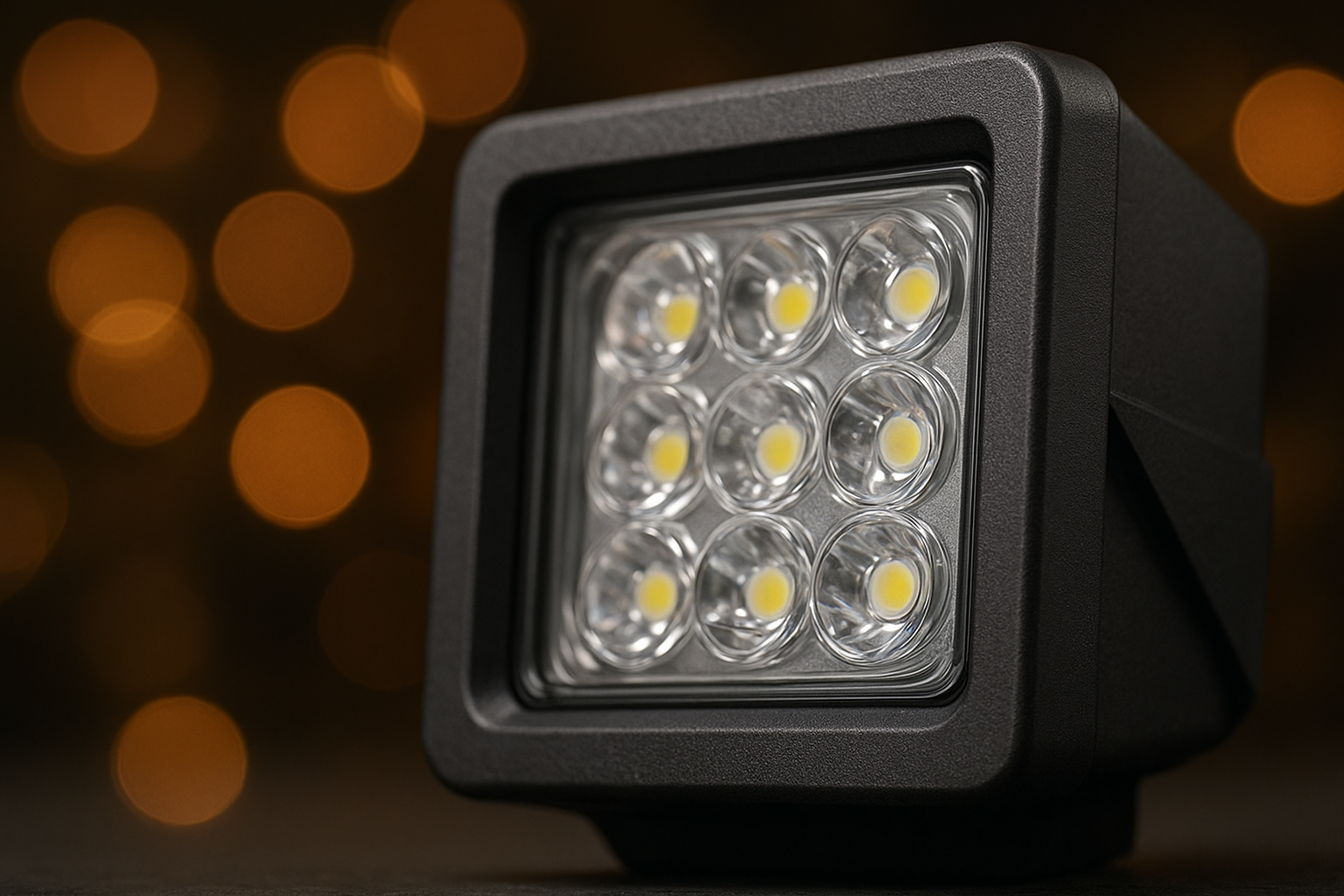
Light-emitting surface | Looks like one continuous light source | Multiple discrete LED points |
Beam feel (typical) | Smoother, more uniform “sheet” of light | More “point-source” character unless optics/diffusion are excellent |
Glare control | Often easier to manage visually | Can be glare-prone if LEDs are directly visible |
Thermal design | High power density; heat sink design becomes critical | Heat can be spread across multiple packages; still needs good thermal path |
Maintenance/service | LED engine replacement can be less modular | Can be more modular depending on design |
Best fit (common) | Uniform area lighting where comfort matters | Versatile; can be tuned for many beam patterns with the right optics |
Packaging is only one input. Always evaluate a sample with the real optic + driver + mounting height.
A fast definition so you can align internal teams:
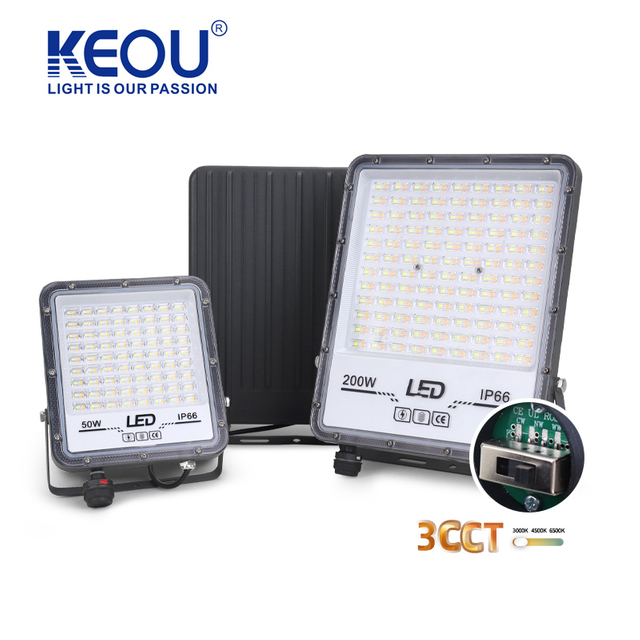
SMD (Surface-Mounted Device) LEDs are packaged components mounted on a PCB. Flood lights may use many SMD packages across a board.
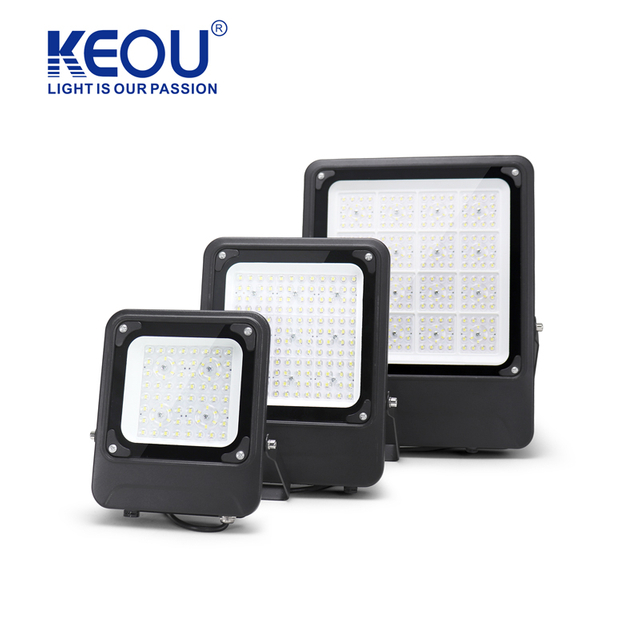
COB (Chip on Board) places many LED chips directly onto a substrate to create a dense, single light-emitting area.
This packaging difference affects how the light behaves before it even reaches the lens/reflector.
For a general overview of how the two packages differ (beyond flood lights), see Unilite’s explainer, Comparing COB and SMD LED Work Lights.
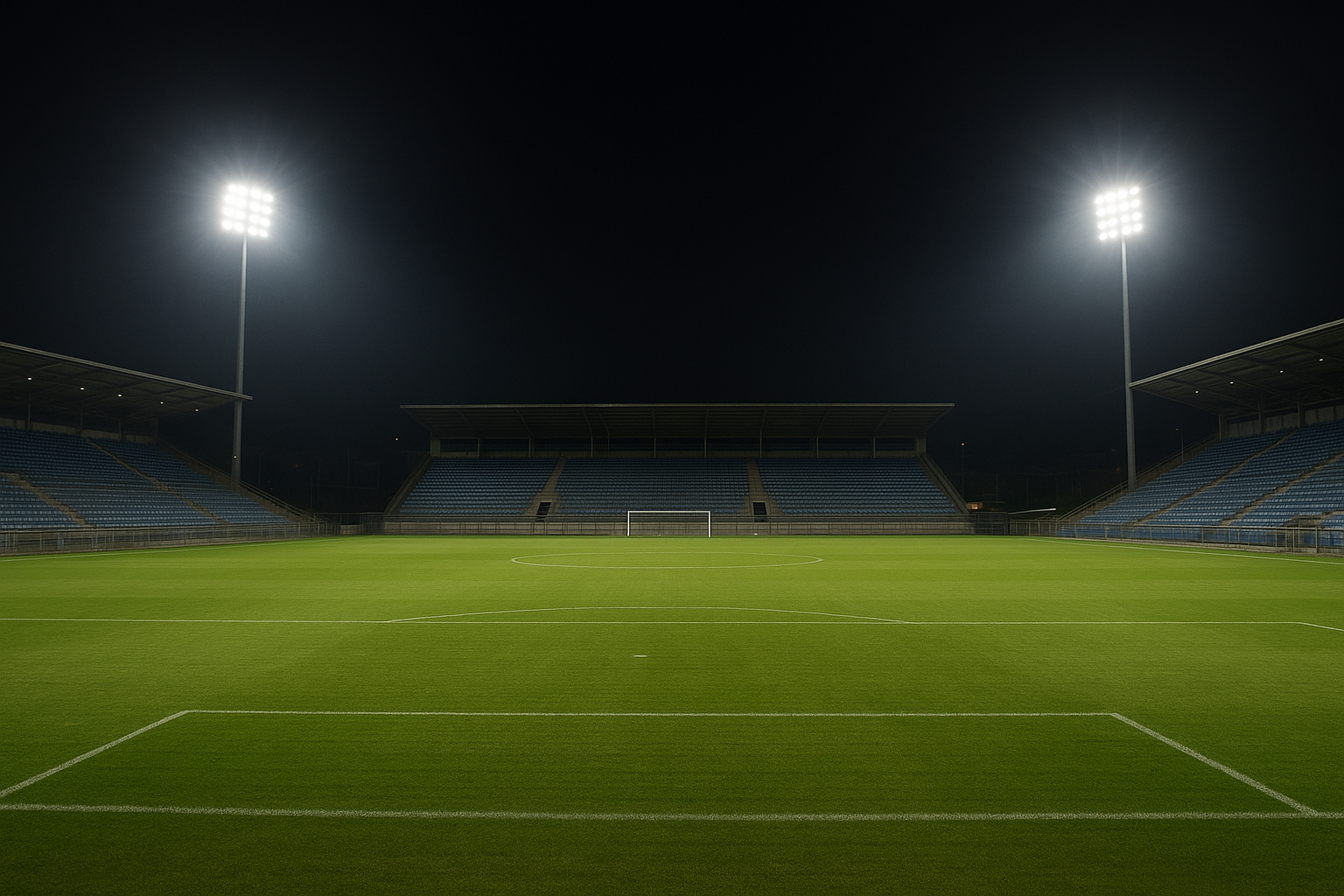
If your project involves high mounting heights and tight uniformity targets (common in sports lighting), beam quality is where procurement decisions get expensive. It’s also where flood light beam angle selection (narrow vs medium vs wide) can make or break a layout.
COB often presents as a continuous emitter, which can make the beam look more uniform—especially when paired with well-designed optics. That’s why COB is frequently associated with “even light” descriptions.
SMD can perform extremely well, but if the design leaves the LED points visually exposed (or uses weak diffusion), you may see:
more sparkle/point-source character
higher perceived glare
unevenness on near-field surfaces
Practical check: Evaluate spill light and hotspots on a wall at the same distance and aiming angle your customer will use. It’s a quick way to catch optic issues before a full installation.
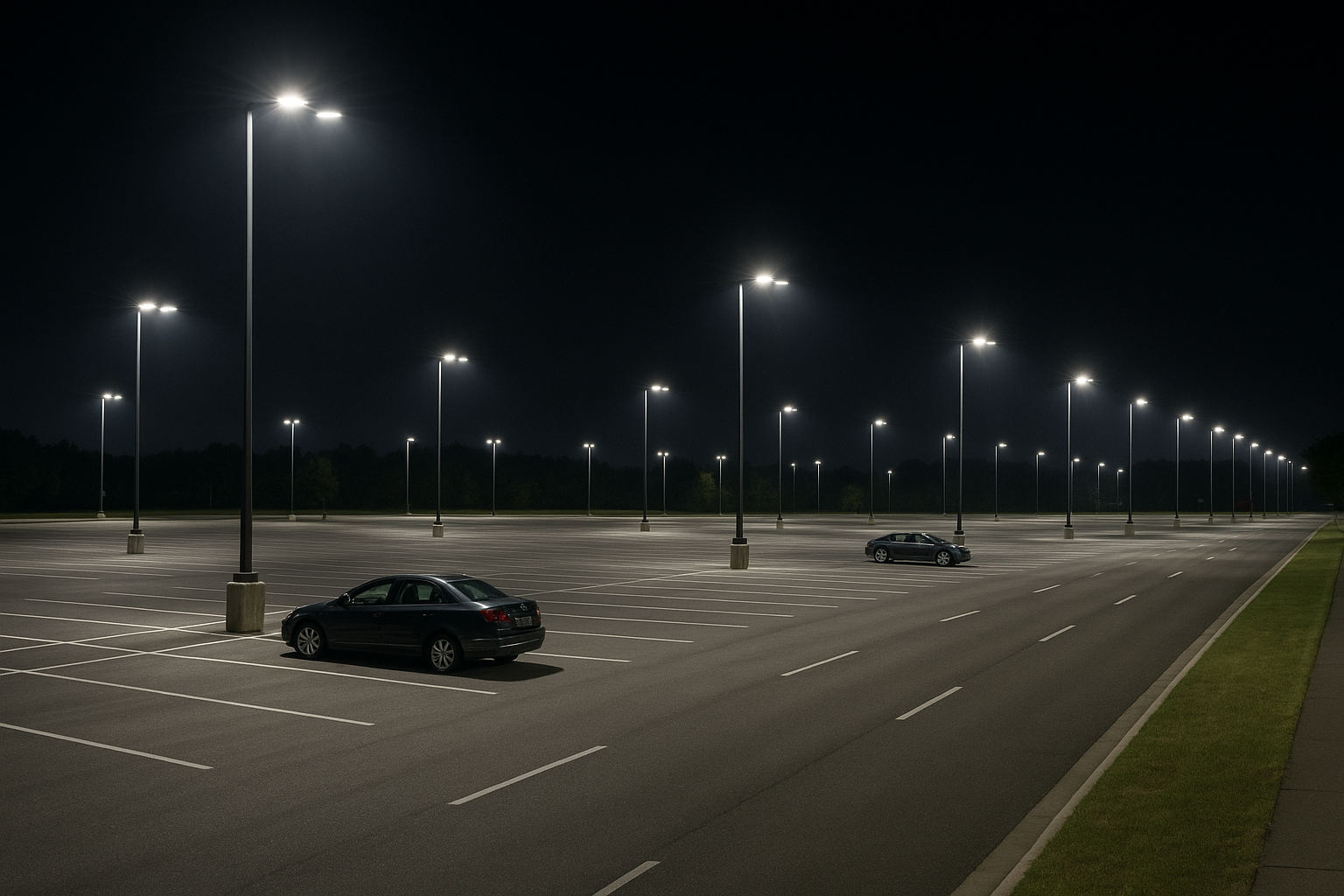
For parking lots and building facades, glare complaints often show up as “the site looks bright but uncomfortable,” or “drivers are getting blasted.”
Some explainers summarize COB as less glare-prone and SMD as more glare-prone in many implementations (see COB LED vs. SMD LED: Which technology is better? (NSELED)). In practice, LED flood light glare is mostly controlled by optical shielding, lens design, diffusion, and aiming—but packaging still matters because it changes the “shape” of the source.
your buyer cares about visual comfort as much as brightness
you want a light source that reads as more continuous
the fixture includes strong glare-control design (shielding, lens, diffusion)
you need flexible optical layouts and beam shaping across multiple emitters

Outdoor flood lights fail early for boring reasons: heat, surge events, moisture ingress, and driver issues.
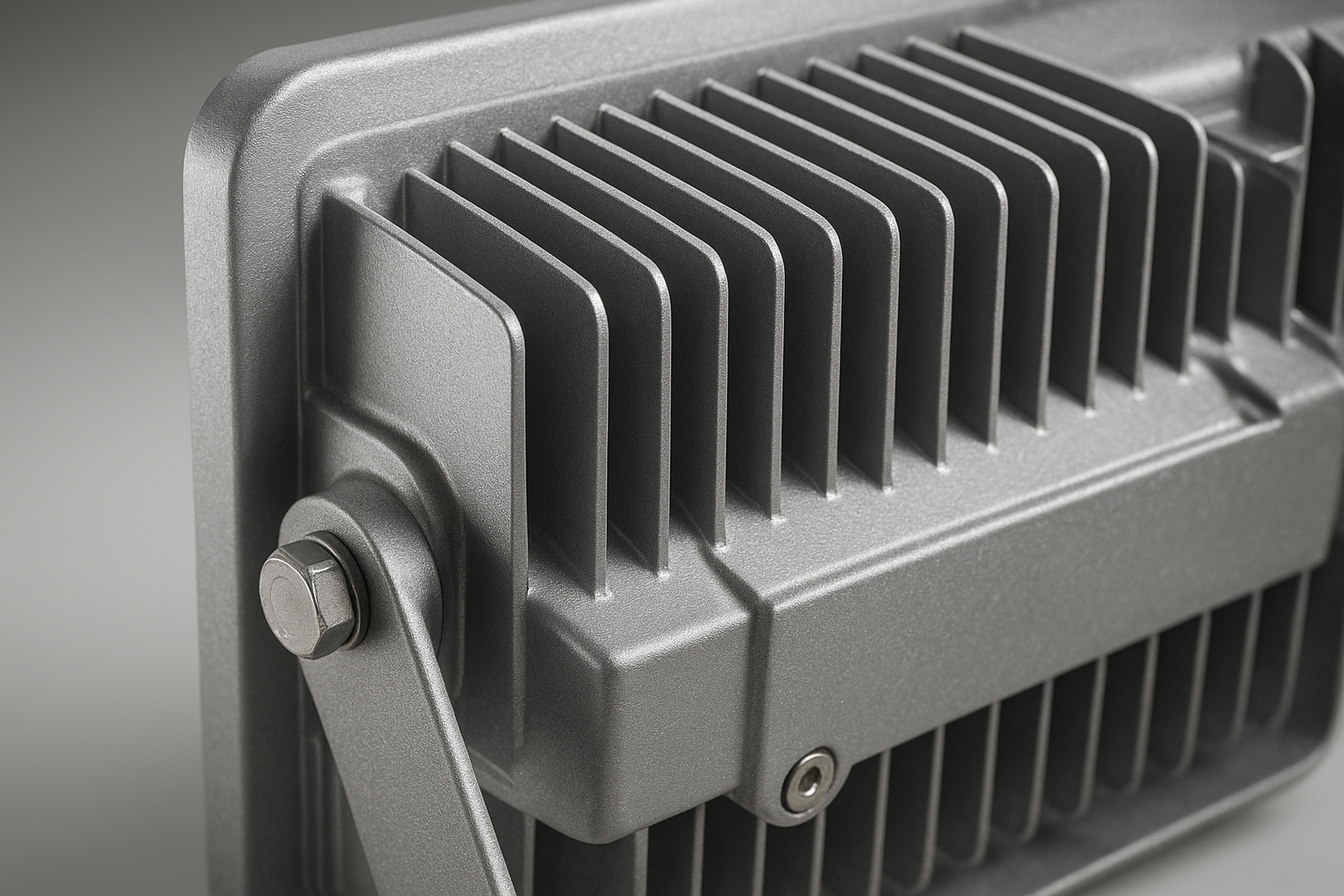
COB concentrates many chips into a smaller area. Some sources note this can concentrate heat and make heat sinking more critical (see LED vs SMD LED vs COB LED — differences and applications (Hirosarts)). That doesn’t mean COB is “less reliable”—it means your evaluation should include the whole thermal path.
What to validate on samples (COB or SMD):
heat sink mass and fin design
contact quality between LED module and housing
driver placement and heat isolation
gasket and sealing strategy (for outdoor reliability)
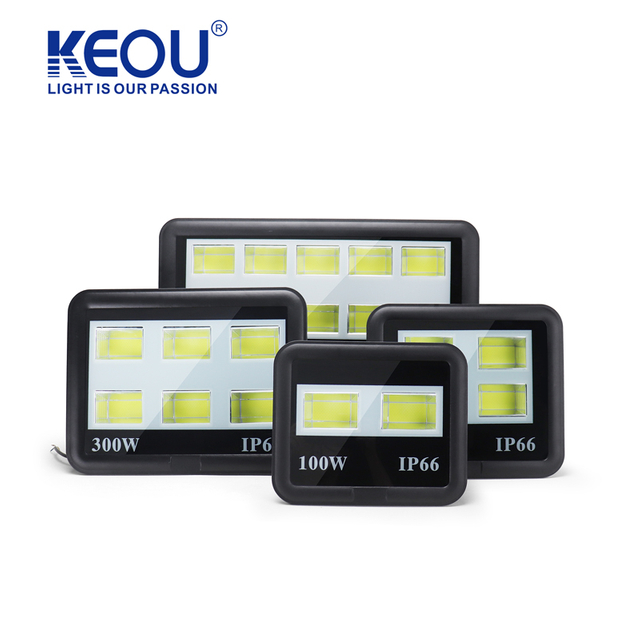
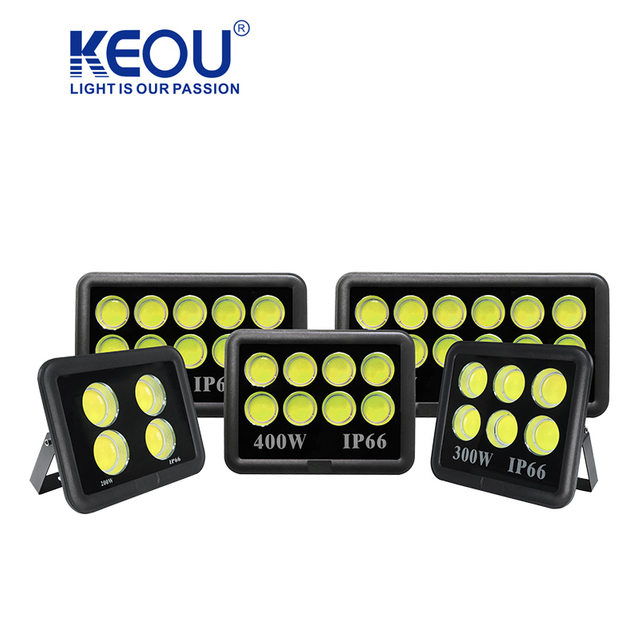
If you’re comparing product options on KEOU’s site, their flood light pages explicitly emphasize heat dissipation and robust housings for outdoor use—for example the High Power COB Flood Light (KEOU-FL23) and the IP66 50W–600W Outside Flood Light.
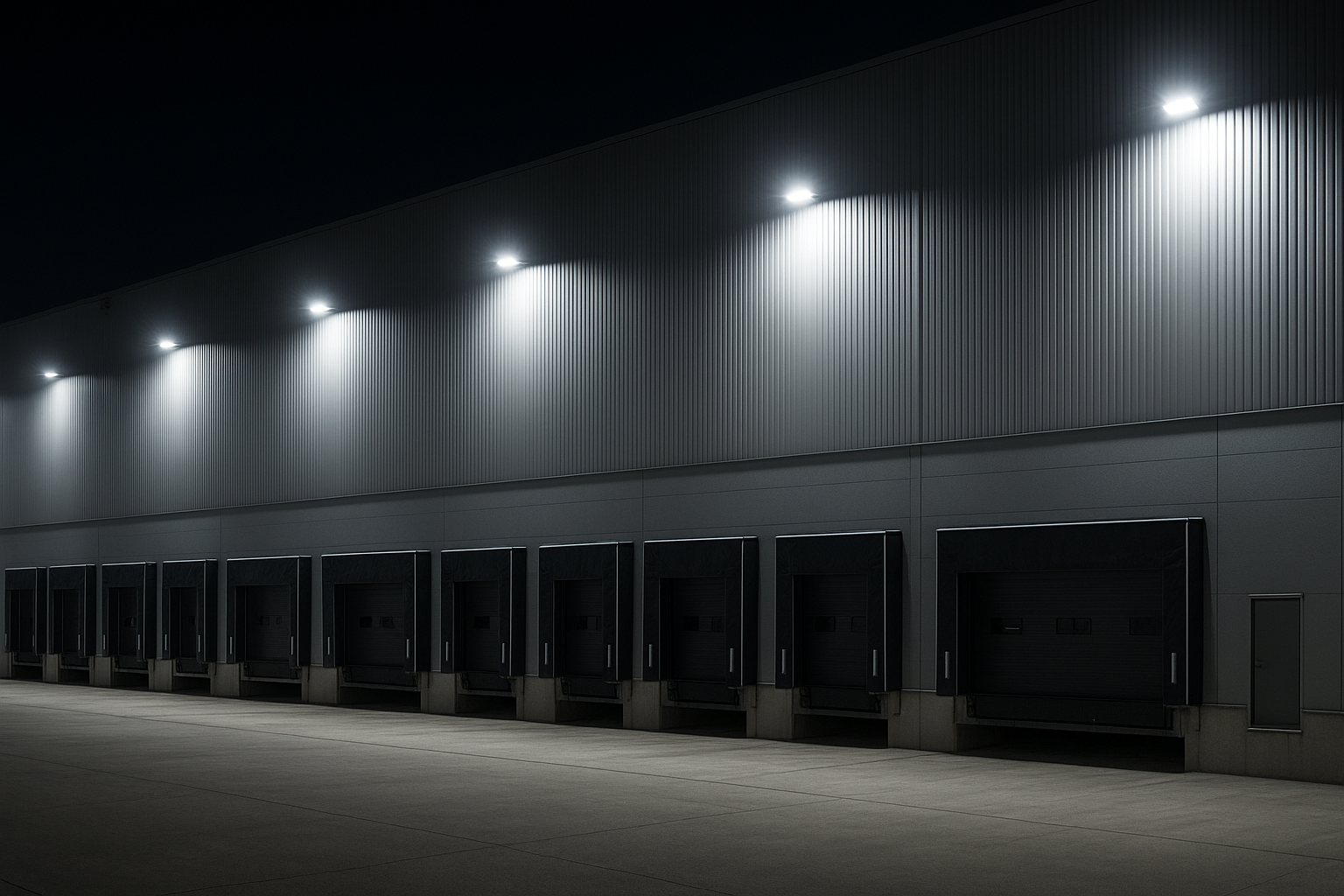
It’s tempting to compare flood lights by total lumen output, but usable light on target is what matters.
Two fixtures can have similar lumen ratings and perform very differently if:
one wastes light as spill
one creates hotspots that force lower aiming angles
one creates glare that drives customer complaints and rework
For decision-stage sourcing, insist on an evaluation package that lets engineering verify:
the beam distribution that matches the application
consistent aiming hardware
stability over runtime (thermal saturation)
Maintenance expectations differ by customer:
Stadium operators may prioritize consistent photometric performance over many seasons.
Parking lots may prioritize ease of replacement and minimizing downtime.
Warehouses may prioritize fast swap-outs and reduced labor.
In general, COB assemblies can be less modular to repair at the LED-engine level, while SMD designs can be more modular depending on how boards and drivers are designed. Some overviews also call out repairability as a practical consideration in certain designs.
Buyer tip: Ask for the supplier’s recommended spare parts strategy (driver-only spares vs full engine modules) and how they handle batch consistency for repeat orders.
Use this section as your “who should choose which” answer.
Lean COB when you want smooth, uniform illumination and the optical system is designed for high-mast aiming and comfort.
Consider SMD when you need flexible multi-emitter optics and can validate uniformity and glare control on-site or via photometric review.
Choose the option (COB or SMD) that demonstrates better glare control + spill control at the actual mounting height.
If drivers and neighbors are sensitive to glare, many buyers will prefer designs that behave like a smoother source (often seen with COB-style emitters), but don’t assume—verify.
Prioritize thermal design + sealing + driver reliability over package type.
Either COB or SMD can work well; the wrong driver or poor thermal path will fail regardless.
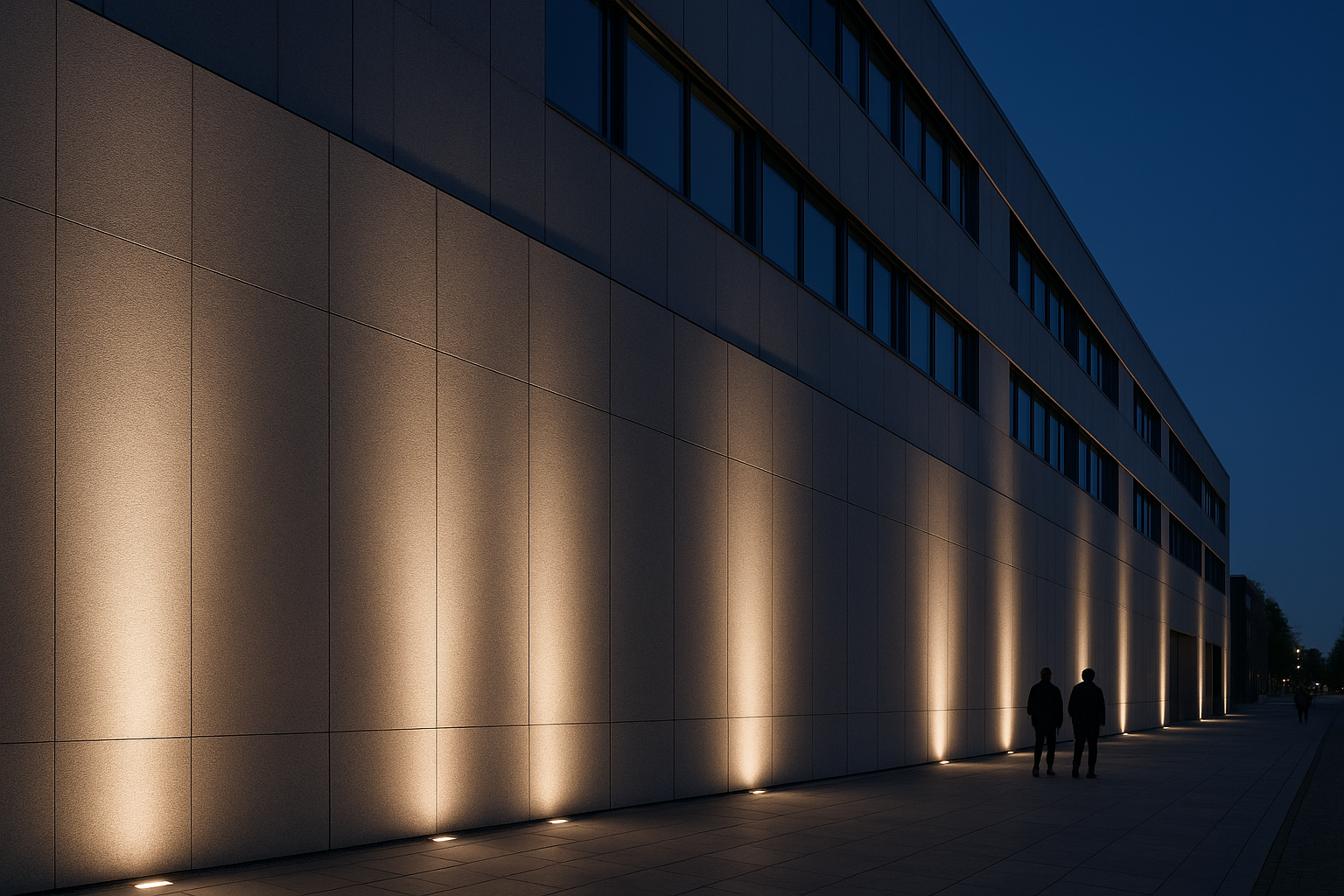
Choose based on beam shaping needs: grazing vs washing, distance to facade, and how visible the source is to pedestrians.
If the light source is directly in the line of sight, glare control becomes the first filter.
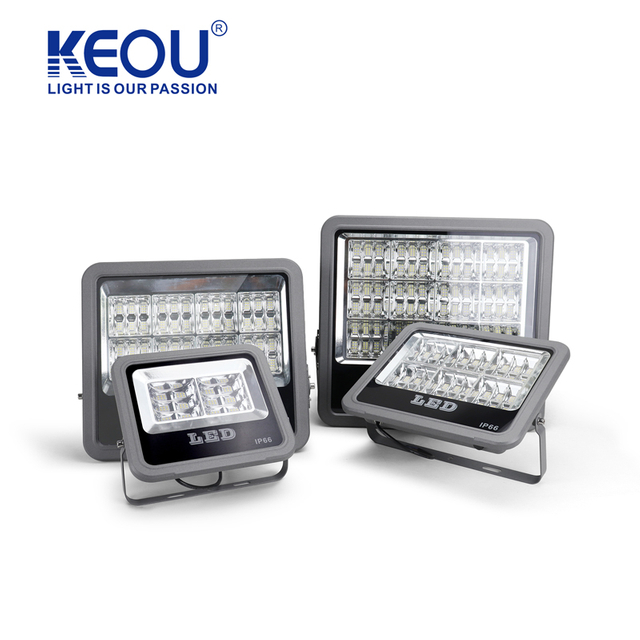
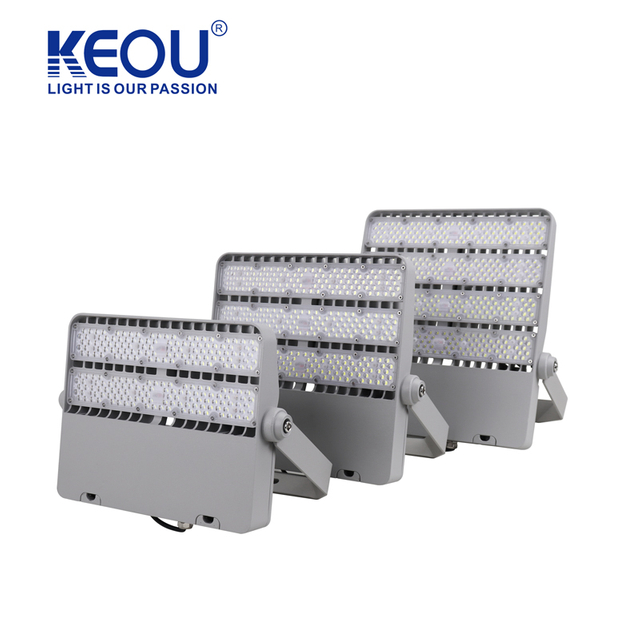
If you’re comparing COB-based flood options, KEOU Lighting’s High Power COB Flood Light (KEOU-FL23) lists multiple wattage options and an IP66 outdoor rating. For other outdoor flood options, the King Kong Style LED Flood Light (KEOU-FL12) and IP66 50W–600W Outside Flood Light are useful starting points to discuss housing, mounting, and application fit.
The key is to match beam, mounting height, and glare constraints first, then choose the LED package and fixture architecture that supports it.
No. COB and SMD are packaging methods. Real-world performance depends on optics, thermal path, driver design, and sealing. COB can look smoother in many designs, while SMD can be extremely effective when optical control is strong.
Neither by default. Glare is primarily controlled by shielding, lens/reflector design, diffusion, and aiming. That said, a continuous-emitter look (often associated with COB) can be easier to make visually comfortable in some applications.
Both can work. For high-power designs, verify thermal management and IP sealing first. COB concentrates heat and demands a robust heat sink; SMD spreads emitters but still needs a solid thermal path and driver reliability.
At minimum: beam distribution information for your mounting height, a sample for glare/uniformity evaluation, and clear guidance on driver/spare-part strategy and batch consistency for repeat orders.
If you want a fast, low-risk recommendation, send your application details (mounting height, target area size, desired beam spread, and any glare constraints). Our team at KEOU Lighting can help match a COB or SMD flood light configuration to your use case and quote accordingly.