Author: Huang Publish Time: 21-07-2026 Origin: Site


Are your business lights flickering or dim? Poor lighting can create a negative atmosphere and impact safety. In this article, we’ll explore essential business lighting maintenance tips. You’ll learn about checking bulbs, using the right lamps, and creating a maintenance policy to keep your space well-lit and inviting.
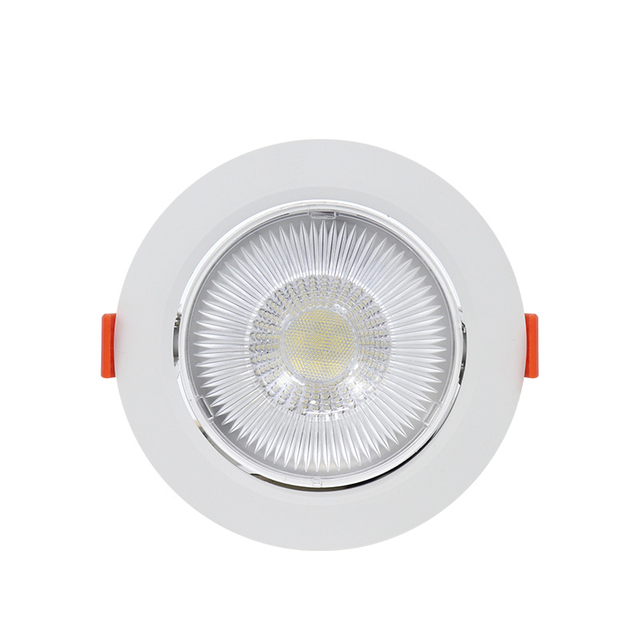
Table of Contents
One of the most fundamental aspects of business lighting maintenance is checking the bulbs. Regular inspections are crucial to identify burnt-out and loose bulbs. A burnt-out bulb not only fails to provide light but can also lead to further complications, such as electrical issues or even fixture damage. Loose bulbs can create flickering lights, which can be distracting and annoying for employees and customers alike.
To effectively check bulbs, establish a routine schedule. Walk through your business premises at least once a month to visually inspect all light fixtures. For multi-lamp fixtures, ensure all lamps are functioning correctly. If you notice any bulbs that are not lit, replace them immediately to maintain optimal visibility.
Additionally, consider investing in a bulb testing tool. These devices can help you quickly determine if a bulb is functioning properly, saving time and ensuring safety.
Proper lighting is essential for visibility and safety in any business environment. Insufficient or inconsistent lighting can lead to accidents, especially in spaces like warehouses, parking lots, or retail areas. Employees may trip over obstacles or fail to notice hazards if the lighting is inadequate.
Moreover, the overall ambiance of your business can be affected by lighting issues. Dim or flickering lights can create an unwelcoming atmosphere, which could deter customers from engaging with your business. In contrast, bright, well-maintained lighting can enhance the customer experience, improve morale among employees, and increase productivity.
In summary, regularly checking for burnt-out and loose bulbs is a small yet vital step in ensuring a safe and inviting business environment. By keeping your lighting in top condition, you not only enhance visibility but also promote a positive impression of your business.
Tip: Schedule monthly inspections of your bulbs to ensure they are functioning properly and maintain a safe, inviting atmosphere for your customers and employees.
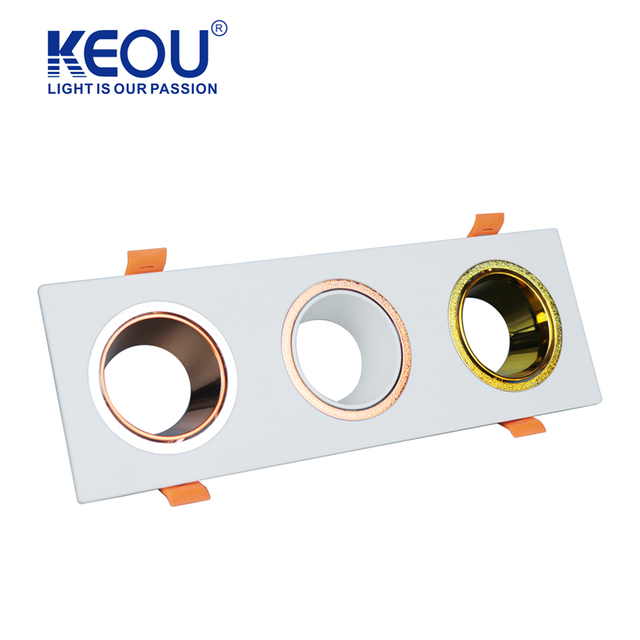
When maintaining business lighting, ensuring that you use the right replacement lamps is crucial. Each fixture is designed for specific lamp types, including size, shape, and wattage. Using incompatible bulbs can lead to performance issues, including flickering, inadequate lighting, or even damage to the fixture itself.
For example, if you have a fixture designed for fluorescent lamps, replacing it with an LED bulb without retrofitting the fixture can cause problems. Retrofits may involve changing the ballast or wiring to accommodate the new technology. Always check the manufacturer specifications or consult with a lighting professional to determine the correct lamp type for your fixtures.
Switching to LED lamps offers numerous benefits, making it a popular choice for businesses looking to upgrade their lighting. LED lamps are significantly more energy-efficient than traditional incandescent or fluorescent bulbs, consuming up to 75% less energy. This efficiency translates to lower electricity bills and a reduced carbon footprint.
In addition to energy savings, LED lamps have a longer lifespan, often lasting up to 25,000 hours or more. This longevity reduces the frequency of replacements, minimizing maintenance efforts and costs. Moreover, LEDs provide superior light quality, which can enhance the ambiance of your business environment. They are available in various color temperatures, allowing you to choose lighting that best suits your space, from warm tones for a cozy feel to cool tones that boost alertness.
Another advantage of LED retrofitting is the potential for smart lighting solutions. Many LED systems can be integrated with automated controls, allowing you to adjust brightness levels based on occupancy or time of day. This not only enhances comfort but also maximizes energy efficiency.
In summary, using the right replacement lamps is essential for optimal lighting performance in your business. Ensure compatibility with fixtures and consider the advantages of LED retrofitting to improve energy efficiency, reduce maintenance costs, and create a better working environment.
Tip: Always verify the compatibility of replacement lamps with your fixtures to avoid performance issues and ensure optimal lighting efficiency.
Keeping your business lighting fixtures clean is essential for both functionality and aesthetics. Dirty fixtures can significantly impact the perception of your business. When customers see grimy lights, it gives an impression of neglect and unprofessionalism. This can lead them to question the overall cleanliness and quality of your services or products.
Moreover, clean fixtures ensure that the light emitted is bright and consistent. Dust and grime can obstruct light output, diminishing visibility and affecting the ambiance of your space. In environments where lighting is crucial—like retail stores, offices, or restaurants—this can directly impact customer experience and employee productivity.
To maintain the cleanliness of your fixtures effectively, consider implementing a regular cleaning routine. Here are some techniques and tools to help you achieve this:
Use the Right Tools:
Soft cloths or microfiber towels are ideal for wiping down surfaces without scratching.
A vacuum with a brush attachment can help remove dust from hard-to-reach areas.
Cleaning Solutions:
For glass fixtures, a mixture of warm water and mild soap works well. Avoid harsh chemicals that can damage the finish.
For metal fixtures, use a gentle metal cleaner that’s suitable for the specific material.
Safety First:
Always turn off the power before cleaning to avoid electrical hazards.
Use a sturdy ladder or step stool to reach high fixtures safely.
Regular Schedule:
Establish a cleaning schedule—ideally annually or semi-annually, depending on the environment. High-traffic areas may require more frequent cleaning.
Professional Cleaning Services:
If your fixtures are particularly complex or large, consider hiring professional cleaning services. They have the expertise and equipment to clean effectively without risking damage.
In summary, keeping your fixtures clean is a straightforward yet impactful maintenance task. It not only enhances the visual appeal of your business but also ensures that your lighting operates at its best, creating a welcoming atmosphere for customers and a productive environment for employees.
Tip: Schedule your fixture cleaning during off-hours to minimize disruption and ensure thorough maintenance without affecting business operations.
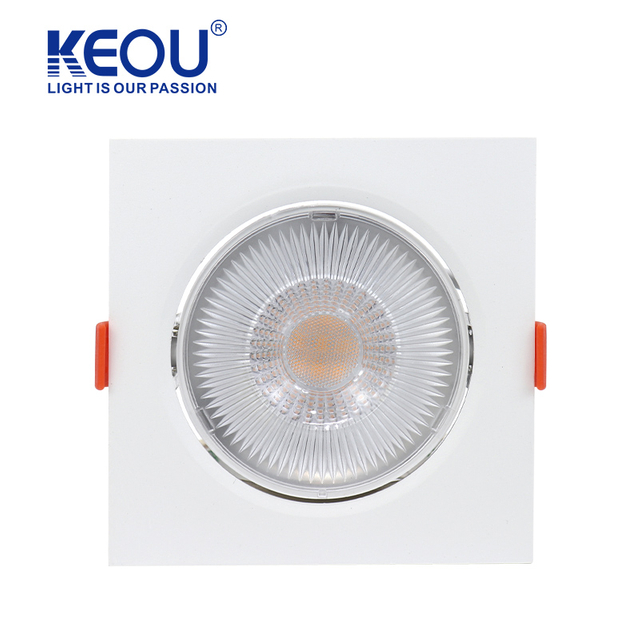
Regularly checking the performance characteristics of your business lighting system is essential for maintaining optimal functionality. One key component to inspect annually is the ballasts and drivers. These devices regulate the electrical current to the lamps, ensuring they operate efficiently. Over time, ballasts can wear out or become faulty, leading to issues like flickering lights, reduced brightness, or complete failure of the fixture.
To conduct a thorough check, inspect each ballast for signs of damage, such as corrosion or leaks. Listen for unusual sounds, like buzzing or humming, which may indicate a problem. If you notice any performance issues, it’s wise to replace the ballast promptly to avoid further complications.
Drivers, particularly in LED systems, also require attention. They convert the electrical energy from the power source into a form that the LED can use. If drivers fail, it can result in inconsistent lighting or complete outages. Regularly testing drivers can help catch issues early, ensuring your lighting remains reliable.
Identifying performance issues in your lighting system can prevent bigger problems down the line. Look for the following signs that indicate your lighting may not be performing optimally:
Flickering or Dim Lights: If your lights flicker or appear dim, it could signal a failing ballast or driver.
Inconsistent Brightness: If some areas of your business are brighter than others, it may indicate that certain fixtures are not operating correctly.
High Energy Bills: A sudden spike in energy costs can indicate that your lighting system is working harder than necessary due to inefficiencies.
Frequent Burnouts: If bulbs are burning out more often than expected, it may point to issues with the electrical supply or the fixtures themselves.
To address these issues, develop a routine inspection schedule. Conduct checks every six months or after significant changes in your business operations. Keeping a log of any issues can help track patterns and identify when it’s time for professional maintenance or upgrades.
In summary, a proactive approach to checking ballasts and drivers, along with identifying performance issues, can enhance the longevity and efficiency of your business lighting system. By staying ahead of potential problems, you can maintain a safe and productive environment for your employees and customers.
Tip: Schedule annual checks for ballasts and drivers, and keep an eye out for any signs of performance issues to ensure your lighting system runs smoothly.
Dimming settings play a crucial role in the overall functionality and ambiance of your business lighting. Properly adjusted dimming can enhance the comfort of your space, improve energy efficiency, and extend the lifespan of your lighting fixtures. For example, in a retail environment, adjustable lighting can help create a welcoming atmosphere that encourages customers to linger and explore. In contrast, in office settings, appropriate dimming can reduce eye strain and improve productivity by providing the right amount of light based on the time of day or the specific tasks being performed.
Regularly reviewing dimming pre-sets ensures that your lighting system adapts to the needs of your space. If dimming settings are not calibrated correctly, it can lead to inconsistent lighting levels, resulting in areas that are either too bright or too dim. This inconsistency can negatively impact employee performance and customer experience.
Adjusting dimming settings according to space needs is essential for optimizing the lighting experience. Different areas within your business may require varying levels of brightness. For instance, conference rooms may benefit from brighter lighting during presentations, while lounge areas may require softer lighting for relaxation.
To effectively adjust dimming pre-sets, consider the following steps:
Assess Each Area: Walk through your business and evaluate the lighting requirements of each space. Take note of how the lighting feels and whether it meets the needs of the activities taking place.
Utilize Control Systems: Many modern lighting systems come equipped with advanced control options, such as smart dimmers or programmable settings. These systems can help you easily adjust lighting levels based on the time of day or occupancy.
Gather Feedback: Encourage employees to provide feedback on lighting conditions in their workspaces. Their insights can help you identify areas that need adjustment and improve overall comfort and productivity.
Regularly Update Settings: As your business evolves, so do the lighting needs. Schedule regular reviews of your dimming pre-sets to ensure they align with current activities and preferences.
Consult Professionals: If you're unsure about how to optimize your dimming settings, consider consulting a lighting professional. They can provide tailored recommendations based on your specific space and requirements.
In summary, regularly reviewing and adjusting dimming pre-sets is a key aspect of effective business lighting maintenance. By ensuring your lighting meets the needs of different areas, you can enhance the comfort of your space, improve energy efficiency, and create a more inviting atmosphere for both employees and customers.
Tip: Schedule regular reviews of your dimming settings to ensure they align with the changing needs of your business space and enhance the overall lighting experience.
When it comes to business lighting maintenance, identifying damage in fixtures is crucial for ensuring safety and functionality. Over time, fixtures can suffer from wear and tear, leading to issues such as broken lenses, damaged housings, or loose connections. Regular inspections can help catch these problems early, preventing further complications and ensuring a safe environment for employees and customers.
To effectively identify damage, conduct thorough visual inspections of all lighting fixtures. Look for cracks in the lenses, corrosion on metal components, or any signs of electrical issues, such as burnt wiring or exposed connections. Pay attention to any unusual sounds, such as buzzing or flickering, which may indicate underlying problems. If you notice any damage, make a note of it for repairs.
Additionally, consider the age of your fixtures. Older fixtures may be more prone to damage and inefficiencies. If your lighting system is outdated, it might be worth evaluating whether to repair or replace those fixtures entirely.
Once damage has been identified, scheduling repairs effectively is essential to minimize downtime and maintain business operations. Here are some steps to ensure a smooth repair process:
Prioritize Repairs: Assess the severity of the damage and prioritize repairs based on safety and functionality. Fixtures that pose a safety risk should be addressed immediately, while cosmetic issues can be scheduled for later.
Create a Maintenance Schedule: Develop a regular maintenance schedule that includes inspections and repairs. This proactive approach helps catch issues before they escalate, reducing the need for emergency repairs.
Hire Qualified Professionals: For complex repairs or replacements, consider hiring qualified lighting professionals. They have the expertise to handle electrical issues safely and efficiently, ensuring that repairs are done correctly.
Communicate with Staff: Inform employees about scheduled repairs and any potential disruptions to lighting. Clear communication helps manage expectations and ensures everyone is aware of safety precautions.
Document Repairs: Keep a log of all repairs and replacements. This documentation can help track the lifespan of fixtures and identify recurring issues, allowing for better planning in the future.
In summary, identifying damage in fixtures and scheduling repairs effectively are vital components of business lighting maintenance. By staying proactive, you can ensure that your lighting system remains functional, safe, and efficient, ultimately contributing to a better working environment.
Tip: Regularly inspect your fixtures and create a maintenance schedule to promptly address any damage, ensuring a safe and well-lit business environment.
Creating a lighting maintenance policy is essential for ensuring the longevity and efficiency of your business's lighting system. A well-structured plan helps to streamline maintenance tasks, reduce costs, and enhance the overall work environment. Here are some steps to develop an effective maintenance plan:
Assess Current Lighting Needs: Begin by evaluating your existing lighting system. Identify the types of fixtures, bulbs, and controls in use, as well as any performance issues. This assessment will help you understand what needs regular attention and what can be improved.
Establish a Maintenance Schedule: Create a routine maintenance schedule that includes regular inspections, cleaning, and replacement of bulbs. Consider seasonal changes and peak business periods when planning maintenance activities to minimize disruptions.
Document Procedures: Clearly outline the procedures for each maintenance task. This should include step-by-step instructions for checking bulbs, cleaning fixtures, and inspecting ballasts and drivers. Make sure all staff members involved in maintenance understand their responsibilities.
Assign Responsibilities: Designate specific team members or hire professionals to handle maintenance tasks. Assigning responsibilities ensures accountability and helps maintain consistency in the quality of maintenance work.
Track Maintenance Activities: Keep records of all maintenance activities, including inspections, repairs, and replacements. This documentation will help identify patterns, track costs, and inform future maintenance decisions.
Review and Update the Policy: Regularly review your maintenance policy to ensure it remains relevant. Update it as needed to reflect changes in your lighting system, business operations, or technology advancements.
A comprehensive lighting maintenance policy should include several key components to ensure its effectiveness:
Maintenance Tasks: Clearly define all tasks required for proper lighting maintenance, including bulb checks, cleaning schedules, and performance evaluations.
Frequency of Tasks: Specify how often each task should be performed. For example, bulb checks may need to occur monthly, while deep cleaning might be scheduled annually.
Emergency Procedures: Outline steps to take in case of lighting failures or safety hazards. This ensures a quick response to any issues that may arise.
Budget Considerations: Include a budget for maintenance costs, factoring in labor, replacement parts, and cleaning supplies. This helps to allocate resources effectively.
Training and Resources: Provide training for staff involved in maintenance tasks. Ensure they have access to the necessary tools and resources to perform their duties effectively.
Performance Metrics: Establish metrics to evaluate the effectiveness of your maintenance policy. This could include tracking energy savings, the frequency of bulb replacements, or customer satisfaction related to lighting quality.
In summary, creating a robust lighting maintenance policy is crucial for maintaining an efficient and effective lighting system. By following the outlined steps and including essential components, you can ensure that your business benefits from optimal lighting conditions, enhancing both employee productivity and customer experience.
Tip: Regularly review your lighting maintenance policy to adapt to any changes in your business operations or lighting technology, ensuring ongoing effectiveness and efficiency.
Regular lighting maintenance is crucial for any business. Key tips include checking bulbs, using compatible replacements, and cleaning fixtures. Annual checks of ballasts and drivers help prevent performance issues. Adjusting dimming settings enhances ambiance and energy efficiency. Identifying and repairing damage ensures safety and functionality. Proactive maintenance practices foster a welcoming environment for employees and customers.
Guangzhou Keou offers high-quality lighting solutions that enhance energy efficiency and reduce maintenance costs, providing exceptional value for your business.
A: A Spot Light is a focused lighting fixture that directs light to a specific area, making it ideal for highlighting products or creating ambiance in business environments.
A: Regular checks on Spot Lights ensure they are functioning properly, preventing issues like flickering or dim lighting that can impact visibility and customer experience.
A: The frequency of replacing Spot Lights depends on the type used; LED Spot Lights can last up to 25,000 hours, while incandescent bulbs may need replacement every 1,000 hours.
A: LED Spot Lights are energy-efficient, have a longer lifespan, and provide superior light quality, enhancing both the ambiance and cost-effectiveness of your business lighting.
A: To troubleshoot a Spot Light, check for burnt-out bulbs, loose connections, or faulty ballasts, and replace components as necessary to restore functionality.