Author: Site Editor Publish Time: 22-07-2026 Origin: Site


Visualizing raw output when evaluating commercial or high-output residential fixtures is notoriously difficult. A 5000-lumen light represents a massive jump from standard household bulbs, and miscalculating your requirements carries heavy risks on the job site or in a workshop. Installing a fixture that is too dim reduces productivity and compromises safety in task-oriented areas. Conversely, over-illuminating a space causes severe glare, eye strain, and wasted energy.
Evaluating a 5000-lumen source requires moving beyond the raw number on the box. You must understand lux, square footage coverage, beam angles, and specific application requirements. This ensures you make an informed purchasing decision tailored to your exact environment. We will break down exactly how bright this is, where it belongs, and how to control it effectively.
Wattage Equivalence: A 5000 lumen light produces roughly the same brightness as three traditional 100-watt incandescent bulbs (which average 1,600 lumens each), requiring only 35 to 50 watts of power in a modern LED fixture.
Coverage Area: In a standard environment with 8-to-10-foot ceilings, 5000 lumens effectively illuminates 250 to 500 square feet, depending on the required task lighting intensity.
Lux Translation: Spread over a 250-square-foot room, a 5000 lumen source delivers approximately 215 lux, which aligns with standard office or detailed workspace lighting standards.
Primary Use Cases: This output level is generally too intense for standard residential living spaces but is optimal for garages, workshops, warehouses, and outdoor security floodlights.
The electrical industry has completely shifted from measuring energy consumption in watts to measuring actual output in lumens. Watts simply tell you how much power a fixture draws from the circuit. Lumens tell you how much illumination you actually get. A traditional 100W incandescent bulb produces about 1,600 lumens. Therefore, a 5000-lumen LED is equivalent to roughly three 100W incandescent bulbs running simultaneously.
Modern LED technology achieves this massive output using only 35 to 50 watts. When you compare this to legacy commercial fixtures, the efficiency gains become obvious. A 150W metal halide or a multi-tube T8 fluorescent fixture used to be the standard for this level of brightness. Upgrading to a 5000-lumen LED drops the amperage load on your breaker panel significantly while maintaining the exact same visibility.
Technology Type | Estimated Wattage for 5000 Lumens | Heat Generation | Lifespan (Hours) |
|---|---|---|---|
Incandescent | 300W - 350W | Extremely High | 1,000 - 2,000 |
Halogen | 250W - 300W | Very High | 2,000 - 4,000 |
Fluorescent (CFL/T8) | 75W - 100W | Moderate | 10,000 - 15,000 |
Modern LED | 35W - 50W | Low (Requires Heatsink) | 50,000+ |
Understanding the difference between luminous flux and illuminance dictates whether your installation succeeds or fails. Luminous flux, measured in lumens, is the total amount of light emitted directly at the diode source. Illuminance, measured in lux, is the amount that actually reaches your work surface or floor.
If you install a 5000-lumen fixture in a 250-square-foot room, it yields approximately 215 lux on the floor. If you install that exact same fixture in a 500-square-foot room, the illuminance drops to roughly 107 lux. Surface reflectance also changes the final lux measurement. Dark painted walls or concrete floors absorb illumination, lowering the usable lux. White walls and epoxy floors reflect it, increasing the perceived brightness in the room.
To provide a real-world benchmark, look at standard car headlights. A typical high-beam bulb produces between 2000 and 3000 lumens. A single 5000-lumen fixture is significantly brighter than a single high-beam headlight. If you stand in front of a vehicle with its high beams on, you experience about 4000 to 6000 lumens total from both housings. This gives you a practical sense of the intense, focused illumination we are discussing.
Contrast this high output with typical household fixtures you interact with daily. A standard living room table lamp produces between 400 and 800 lumens. A standard kitchen ceiling dome might produce 1500 to 2000 lumens. A 5000-lumen source is vastly more powerful than these everyday fixtures. Putting 5000 lumens in a small bedroom is equivalent to turning on six table lamps at the exact same time.
In the audiovisual sector, a 5000-lumen projector is classified as high-brightness hardware. It is capable of displaying clear, crisp images in fully lit conference rooms without the picture washing out due to ambient illumination. Standard home theater projectors usually hover around 1500 to 2500 lumens because they operate in dark rooms. The 5000-lumen threshold is strictly for environments fighting heavy ambient glare.
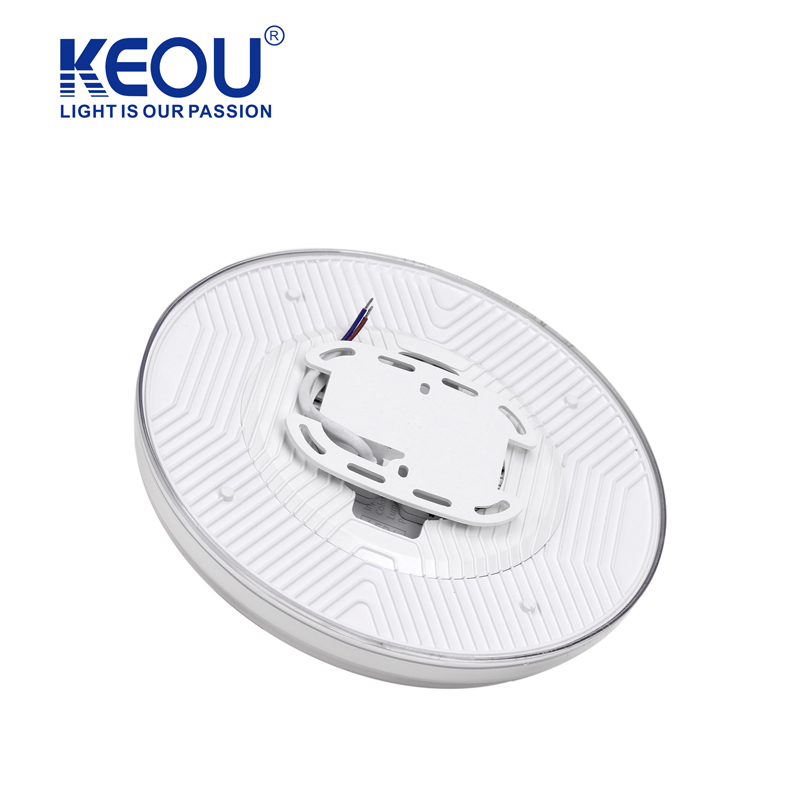

This output level is highly effective in small warehouses, retail floors, and utility rooms. Achieving uniform commercial illumination often requires spacing multiple 5000-lumen high-bay or wrap fixtures strategically across the ceiling grid. You want to overlap the beam spreads slightly to eliminate dark spots on the floor.
Measure the total square footage of the warehouse or utility room.
Determine the target lux required for the specific tasks performed in that space.
Calculate the number of 5000-lumen fixtures needed by dividing total required lumens by 5000.
Map out a grid on the ceiling that spaces the fixtures evenly, accounting for racking or machinery.

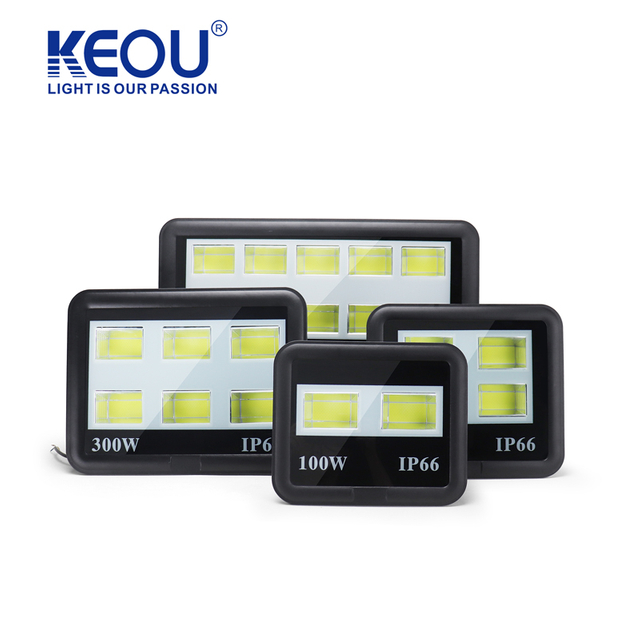
For outdoor use, 5000 lumens provides excellent security and visibility. It is commonly implemented in perimeter wall packs, parking lot standards, and commercial driveway illumination. At this intensity, a wall pack mounted at 12 feet can easily throw usable illumination 30 to 40 feet into a parking area, deterring trespassing and ensuring safe navigation for pedestrians.
While generally too intense for living rooms, this output is highly suitable for two-car garages, basement workshops, and hobby spaces requiring high visual acuity. If you are rebuilding an engine or doing detailed woodworking, you need high lux on the workbench. For outdoor residential applications, it serves well in security floodlights, backyard safety lighting, and barn lighting.
A 5000-lumen output is often the threshold for professional AV setups in ambient environments. This differentiates it from home theater requirements, which typically operate in darkened rooms and require far fewer lumens. When presenting in a room with large windows or heavy overhead fluorescent fixtures, you need the 5000-lumen punch to maintain contrast ratios on the projection screen.
Mounting height dictates perceived brightness due to the inverse square law. A 5000-lumen fixture mounted at 8 feet will feel significantly more intense than the same fixture mounted at 15 feet. As the distance from the source doubles, the intensity of the illumination drops to one-quarter of its original strength. Higher ceilings spread the illumination over a much larger area, reducing the lux at the floor level. You must factor in your ceiling height before assuming 5000 lumens is enough for your shop.
Direct downward exposure creates harsh, high-contrast illumination. This is great for a workbench but terrible for a computer desk. Alternatively, bouncing 5000 lumens off a white ceiling creates an indirect setup. This floods the room with soft, ambient illumination, reducing harsh shadows and glare. Indirect mounting is a common trick used by electricians to utilize high-output fixtures in spaces with lower ceilings.
The beam angle determines how the output is focused out of the lens. A 5000-lumen spotlight features a narrow beam, delivering high intensity and a long throw. This is ideal for illuminating a flagpole or a specific architectural feature. A 5000-lumen floodlight features a wide beam, offering lower localized intensity but broader coverage. Floodlights are the standard choice for driveway security and general backyard visibility.
Color temperature affects how bright a fixture appears to the human eye. A 5000K daylight fixture will appear harsher and brighter than a 3000K warm white fixture, even if both emit exactly 5000 lumens. The blue spectrum in 5000K triggers a stronger response in the human eye. Use 5000K for workshops and security. Stick to 3000K or 4000K if you are trying to illuminate a patio or a residential exterior without making it look like a hospital operating room.
Installing 5000 lumens in low-ceiling or small residential rooms creates a high risk of severe glare and eye strain. If the bare diodes are visible in your peripheral vision, you will experience discomfort. To mitigate this, use frosted lenses, diffusers, or indirect mounting techniques to soften the output. A frosted polycarbonate lens reduces the harshness significantly while only sacrificing about 5% of the total lumen output.
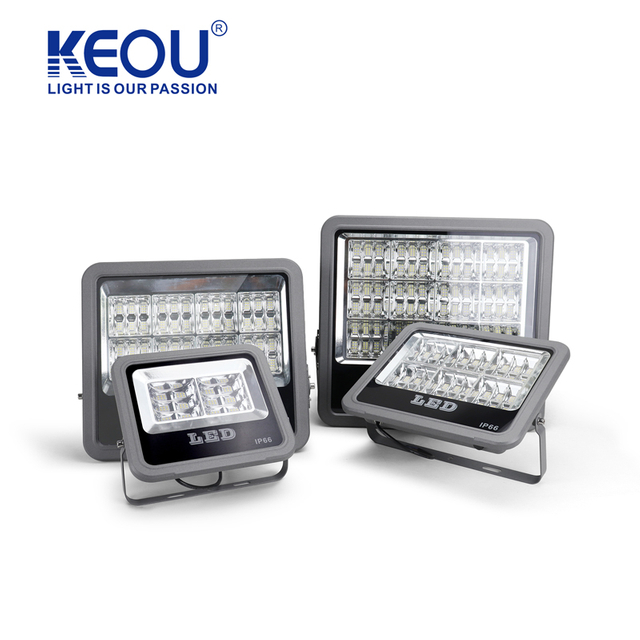
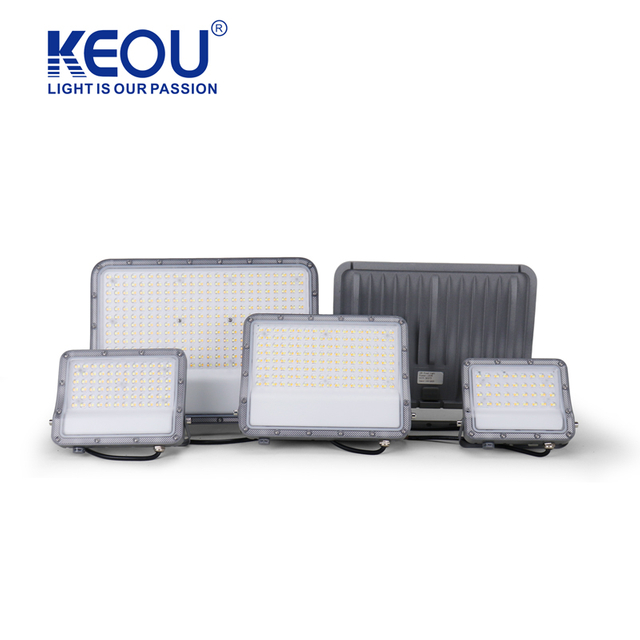
High-output LED chips generate heat at the circuit board level. Proper thermal management is essential to prevent premature diode failure. Check for heavy aluminum heat sinks and adequate ventilation in the fixture design when evaluating options. Cheap plastic housings trap heat, causing the LED driver to burn out long before the rated 50,000-hour lifespan. Always inspect the back of the fixture for proper thermal fins.
When installing these fixtures in multi-use spaces, specify 0-10V or TRIAC dimmable options. This allows for variable levels, giving you the flexibility to reduce the intensity when full output is not required. Running a 0-10V dimming circuit requires pulling low-voltage control wires alongside your line voltage, so plan your conduit and wiring runs accordingly during the rough-in phase.
A 5000-lumen output provides high-performance, utility-grade illumination ideal for task-heavy, expansive, or outdoor environments. It is generally excessive for ambient residential use. To ensure a successful installation, follow these next steps:
Measure your room's exact square footage and ceiling height to calculate the required lux.
Verify the beam angle and color temperature (CCT) of your shortlisted fixtures match your application.
Check the fixture specifications for dimming compatibility and ensure your wall switches match the required protocol.
Inspect the fixture housing for adequate aluminum heat sinks to guarantee long-term reliability.
A: Yes, it is generally too bright for a standard living room. It exceeds standard residential lux requirements and carries a high risk of severe glare. Lower output or dimmable fixtures are preferred for ambient living spaces.
A: A 5000-lumen fixture typically covers between 250 and 500 square feet. This range depends heavily on the desired illuminance for the tasks being performed and the height of the ceiling.
A: Modern LEDs require between 35W and 50W to produce 5000 lumens. This is significantly less than the approximately 300W to 350W needed for equivalent incandescent output.
A: Looking directly at a 5000-lumen source can cause temporary flash blindness and discomfort. Using diffusers, frosted lenses, or indirect mounting helps mitigate this risk and protects your vision.
A: Yes, 5000 lumens is an excellent baseline for a standard 400-square-foot two-car garage. It provides ample illumination for detailed task work, automotive maintenance, and general visibility.
A: Lumens measure the total brightness or output of the fixture. Kelvin (K) measures the color temperature, indicating whether the appearance is warm, neutral, or cool daylight.