Author: Huang Publish Time: 28-01-2026 Origin: Site


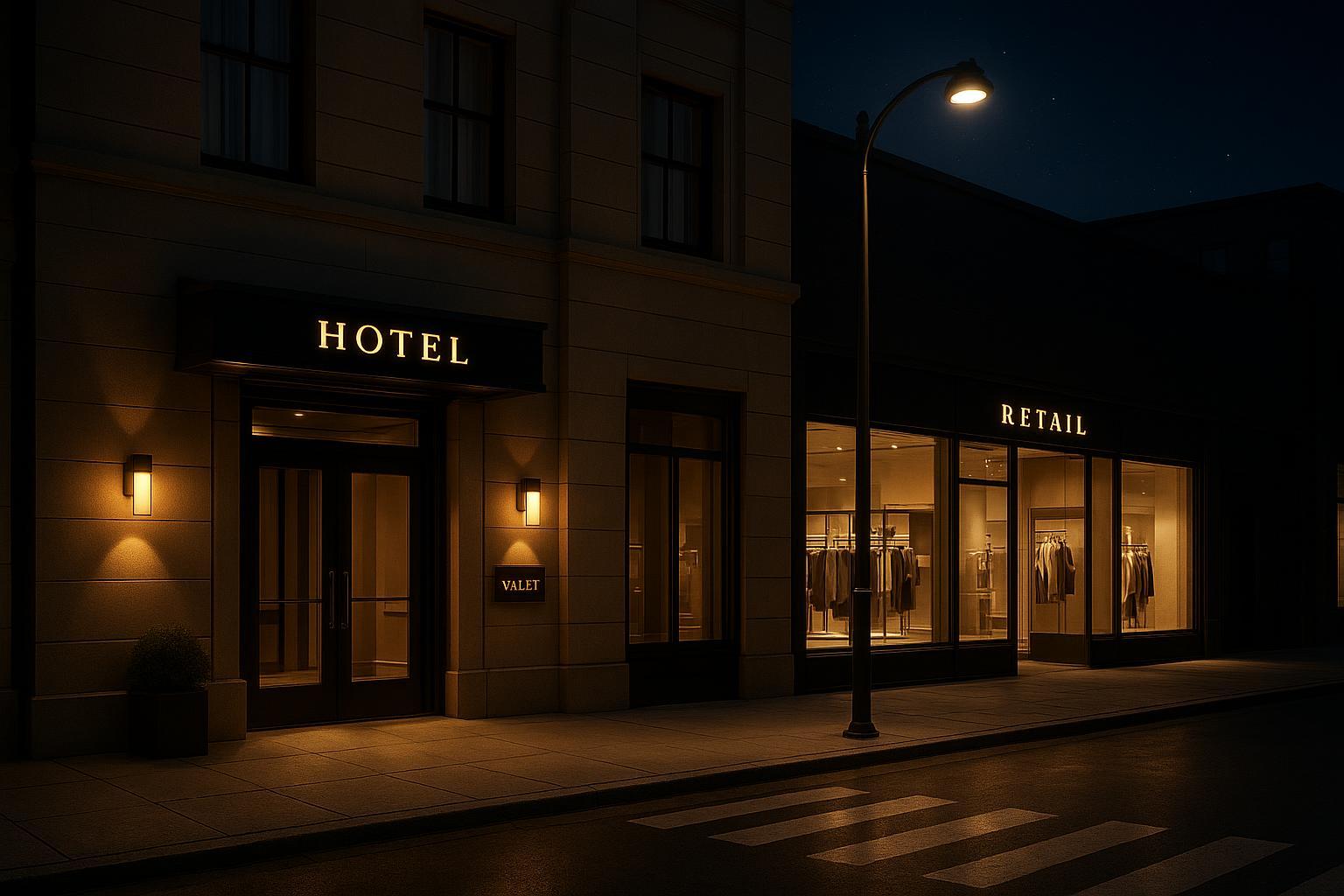
Short answer: owners are buying smart controls where experience, liability, and operating cost intersect — entrances, facades, dining plazas, parking and access lanes, signage, and pole-mounted networks. The sections below are numbered for quick scanning.
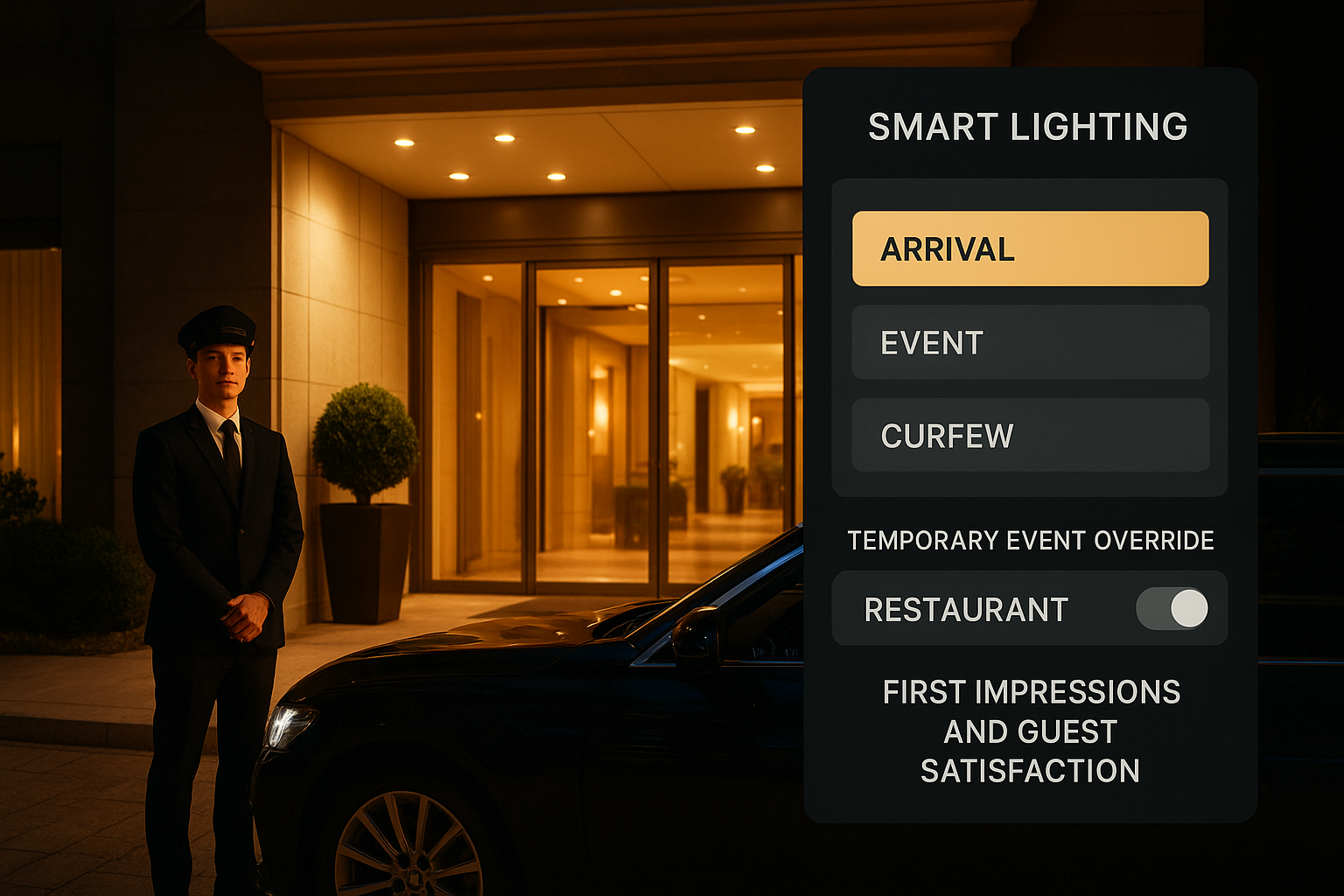
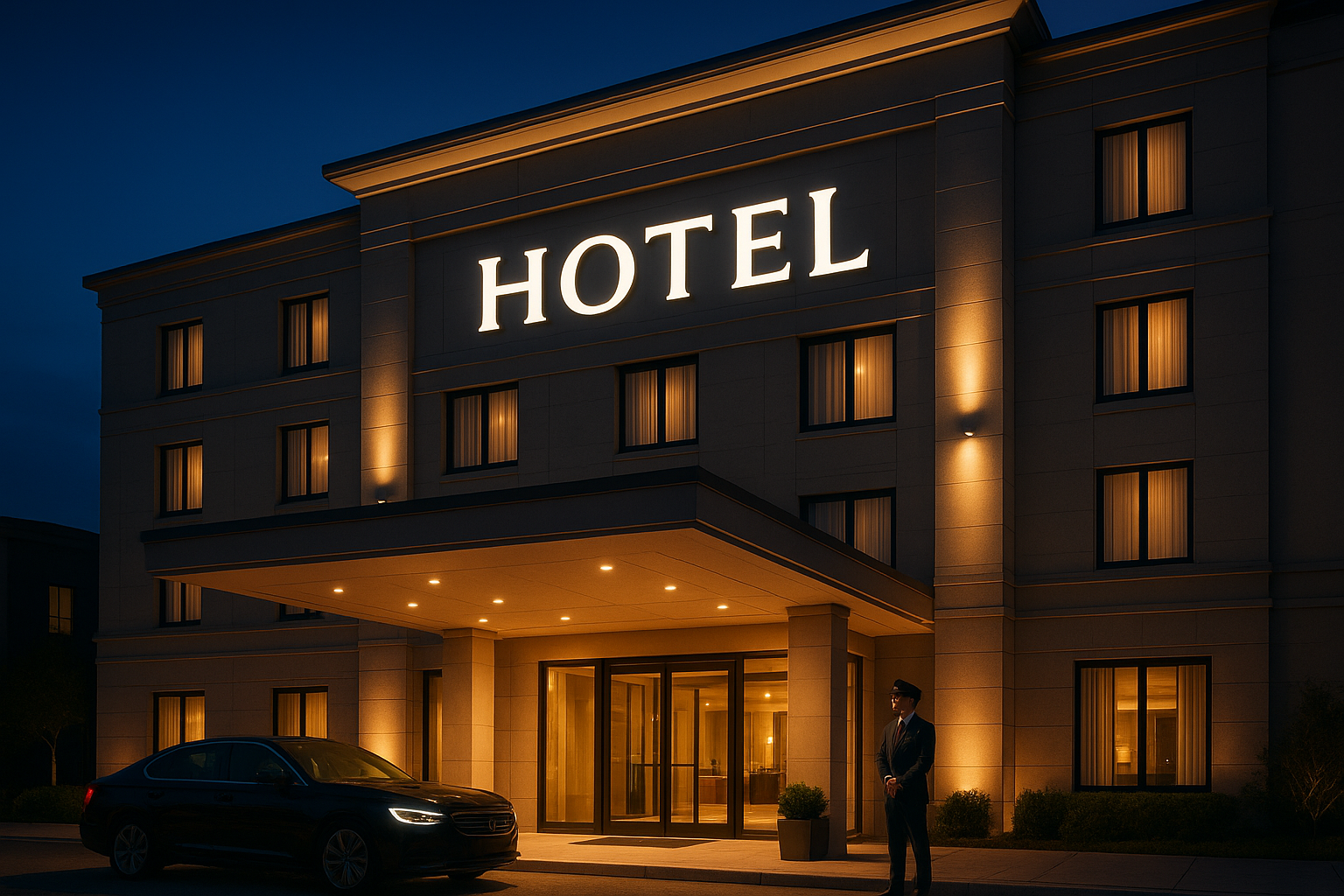
Why buyers choose controls: arrival moments directly affect first impressions and guest satisfaction. Owners want predictable, camera-friendly illumination that scales for events and quiet hours.
Practical conveniences: scene presets (arrival, event, curfew); temporary event overrides from a central dashboard; motion-linked boosts for late arrivals.
New business opportunities: scene packages (design + commissioning), recurring tuning contracts, bundled lighting+controls retrofit offerings.
Why buyers choose controls: brand lighting is part of identity; owners want dimming scenes that adapt to marketing needs without manual installs.
Practical conveniences: timed highlighting for promotions, dim-to-clean modes, remote color/brightness adjustments for seasonal branding.
New business opportunities: seasonal scene updates as subscriptions, pay-for-performance lighting-as-marketing bundles, design+controls briefs.
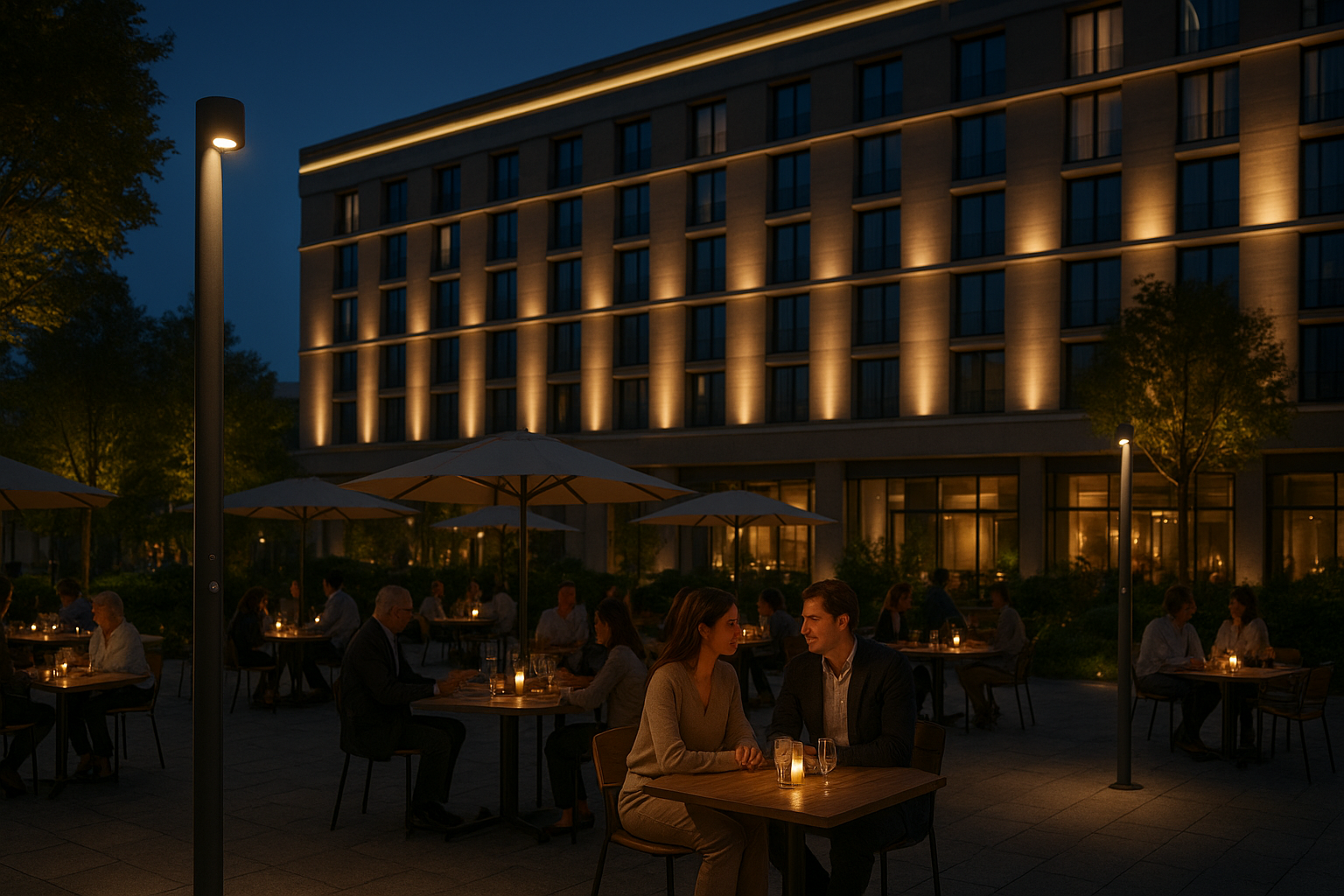
Why buyers choose controls: balance ambience and safety while minimizing all-night energy use and neighbor complaints.
Practical conveniences: occupancy-linked local boosts, soft baselines for dining hours, automated curfew dimming.
New business opportunities: sensor-tuning packages, temporary-event profiles for F&B operators, managed monitoring guaranteeing comfort metrics.
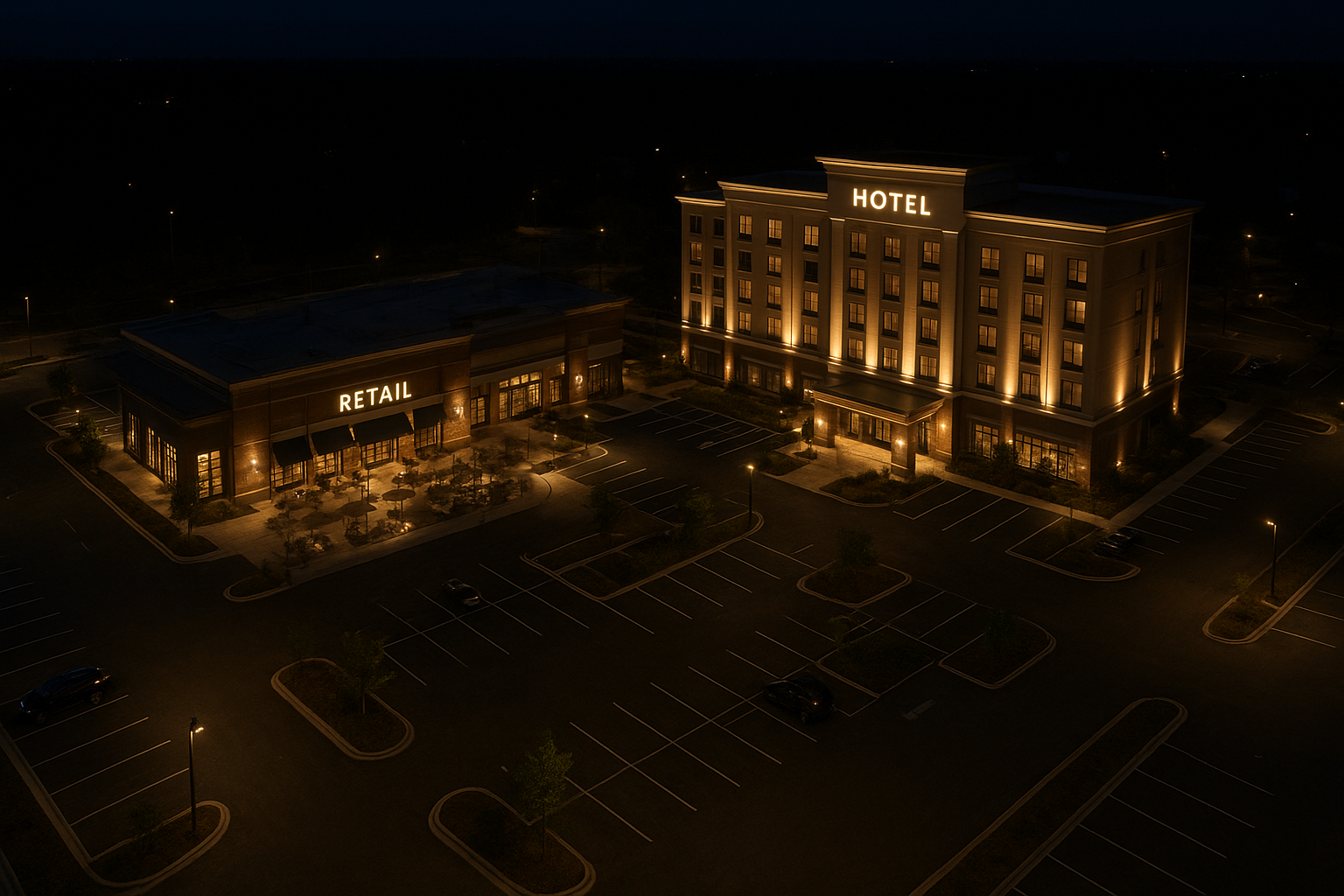
Why buyers choose controls: high-wattage areas where zoning and schedules yield fast OPEX wins.
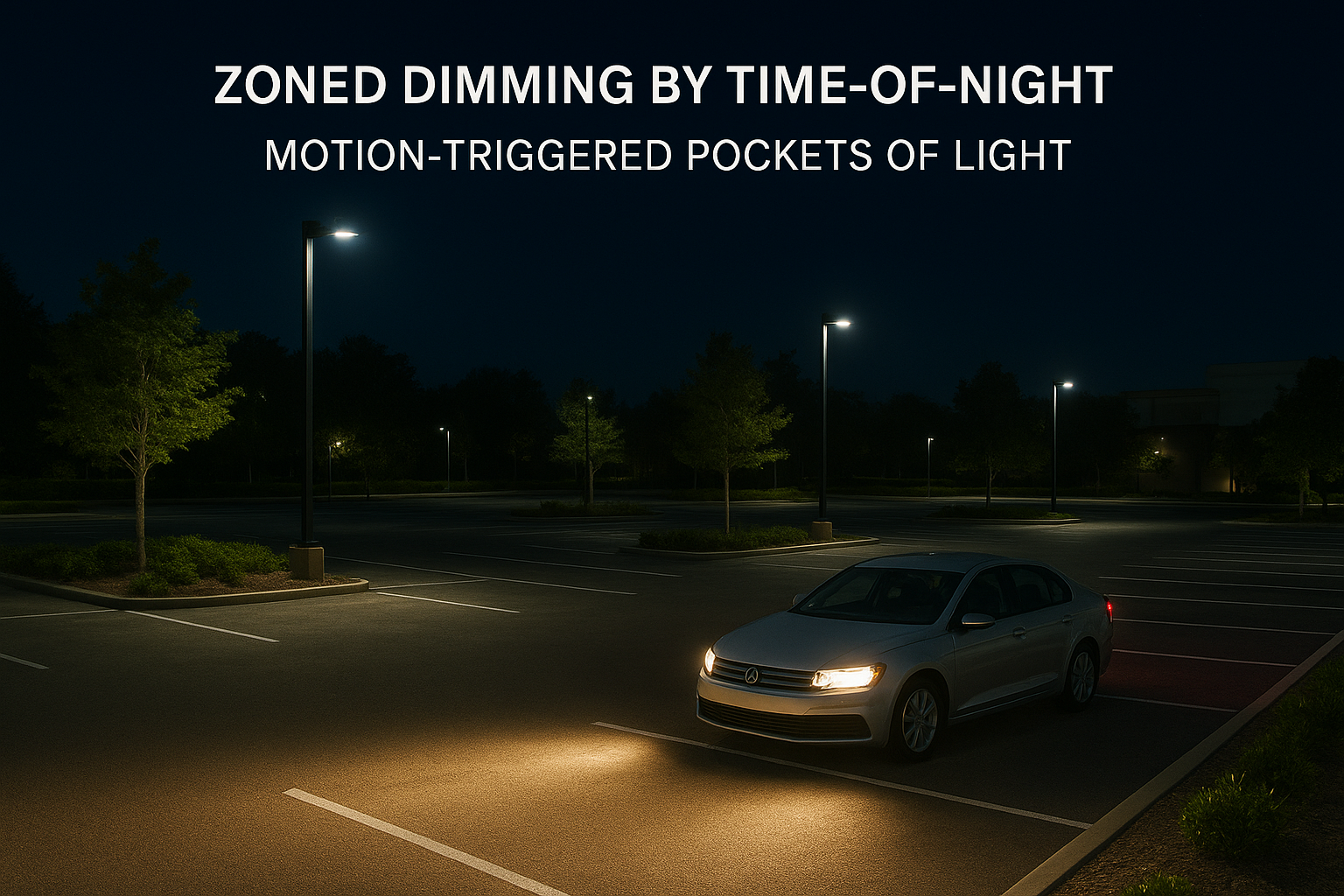
Practical conveniences: zoned dimming by time-of-night, motion-triggered pockets of light, remote diagnostics reducing truck rolls.
New business opportunities: performance contracts guaranteeing kWh reductions, rebate-assisted retrofit bundles, remote monitoring subscriptions for predictive maintenance.
Why buyers choose controls: keep signs legible without dominating facades or triggering nuisance complaints.
Practical conveniences: time-based scheduling, nighttime dimming profiles, remote alerts for over-illumination.
New business opportunities: permit-ready submittals, sign-control retrofit kits, compliance assurance services.
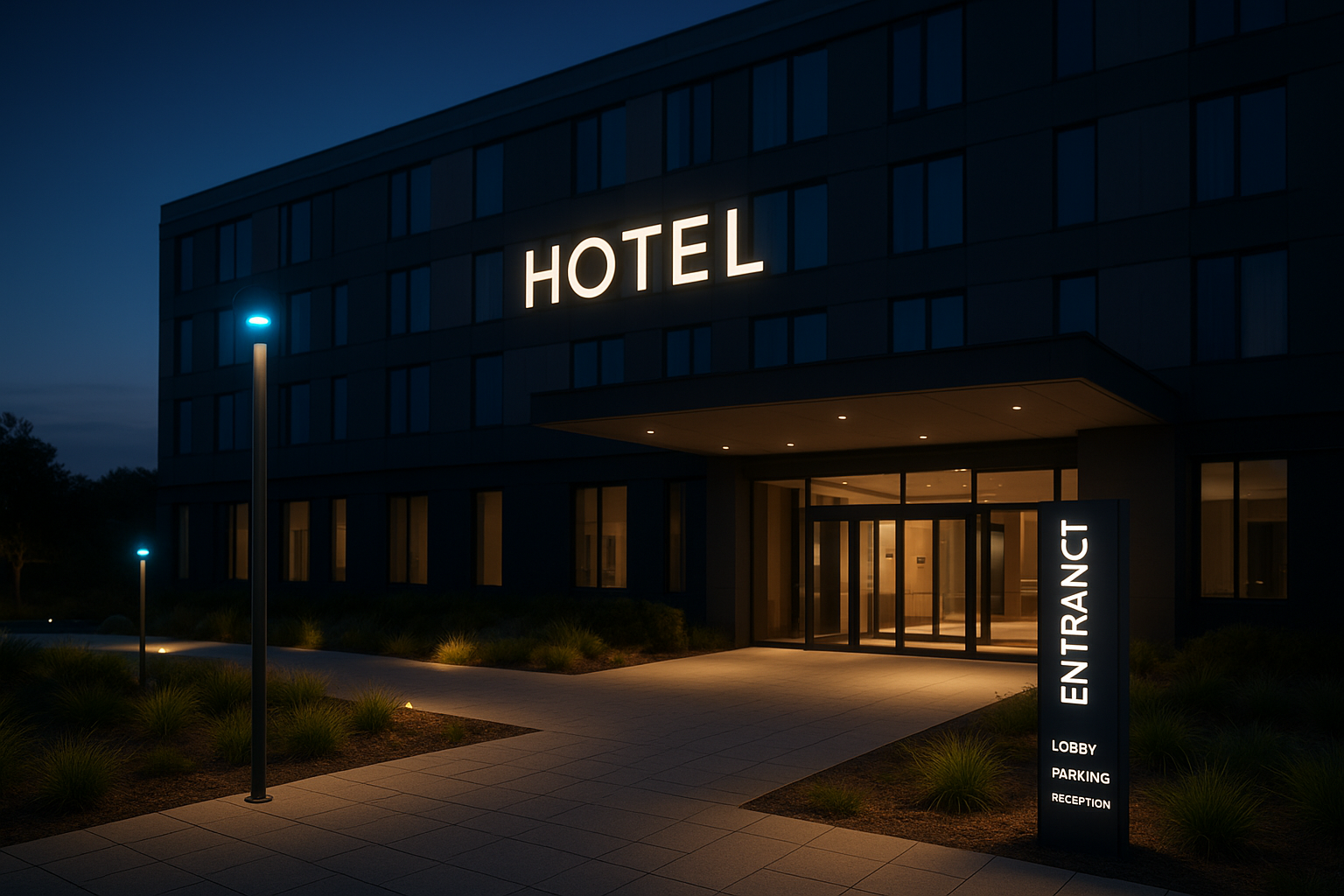
Why buyers choose controls: poles become multi-use assets for security, maintenance, and data.
Practical conveniences: auxiliary power for sensors, luminaire-level diagnostics to central dashboards, plug-and-play node upgrades.
New business opportunities: node-install services, data subscriptions, staged upgrades from simple controls to analytics.
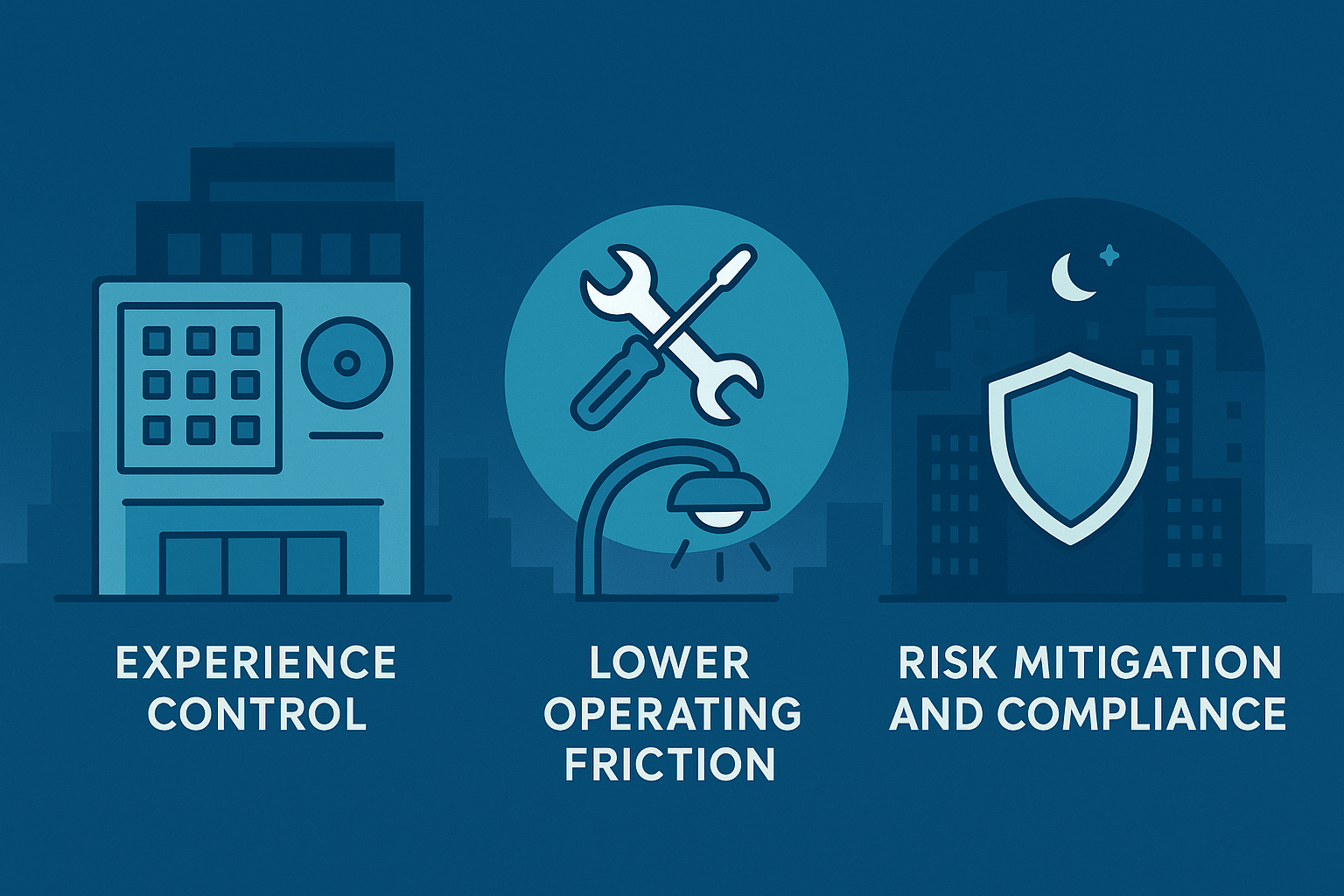
Consistent arrival and guest experiences across properties without onsite labor. Scenes and schedules translate brand intent into reproducible light.
Fewer truck rolls with remote diagnostics, fewer late-night calls thanks to motion boosts and schedules, and cleaner submittals for faster rebate processing.
Scene-based curfews, dimming profiles, and one-page acceptance tests reduce permit risk and neighbor complaints while preserving safety.
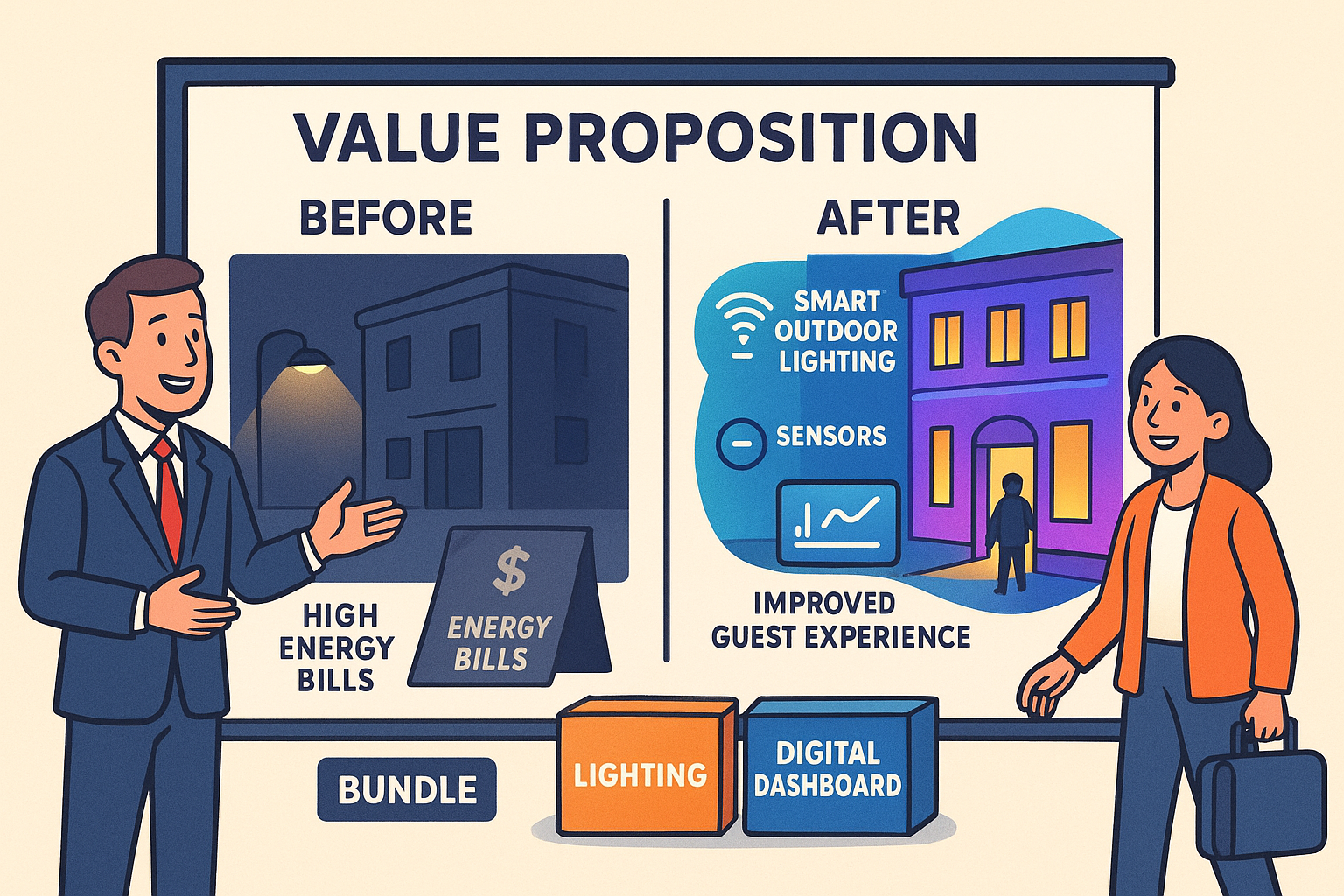
Product bundles by scenario: pre-configured entrance, facade, or parking packages (fixtures + sensors + commissioning).
Commissioning and tuning as paid services: sensor placement, setpoint tuning, one-page acceptance records.
Subscription services: monitoring, analytics, seasonal scene updates.
Rebate-ready documentation: standard submittal pack (CCT, distribution, control narrative, acceptance form).
Outcome-oriented pricing: price bundles by expected OPEX reduction or scene deliverable, not just per-fixture cost.
Buy by scenario (entrance, facade, plaza, parking), not only by fixture.
Require scene commissioning and one-page acceptance forms in contracts.
Insist on luminaire-level diagnostics or controller reporting.
Price commissioning and seasonal tuning as billable services.
Prepare a rebate submittal bundle up front.
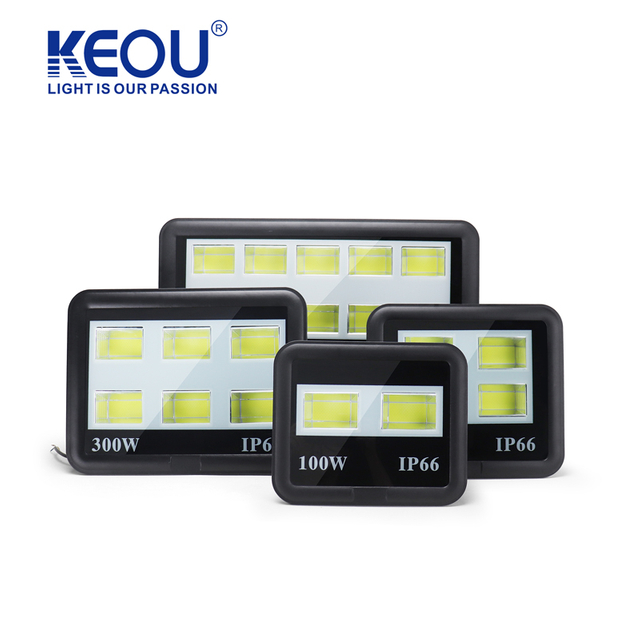
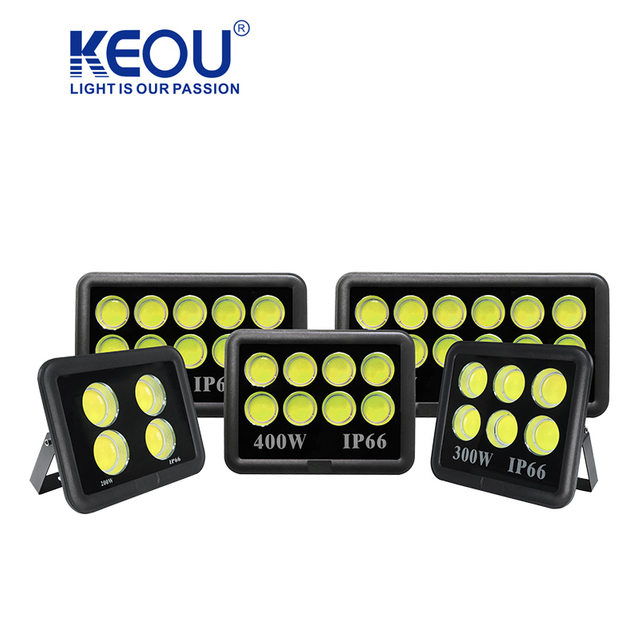
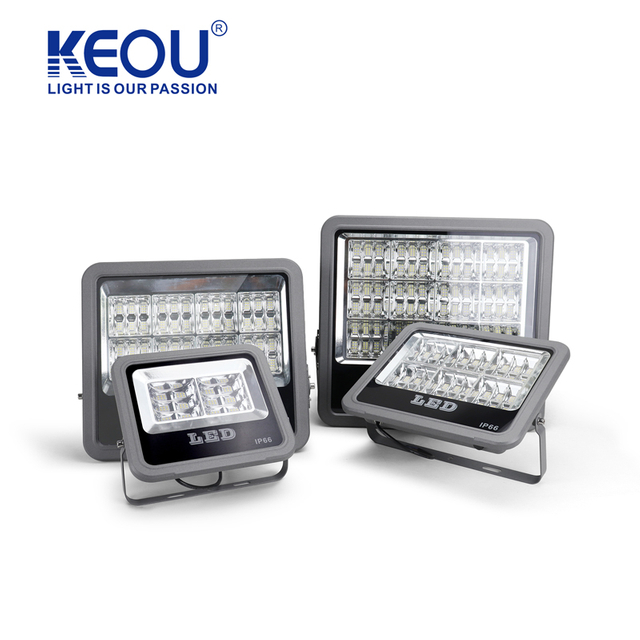
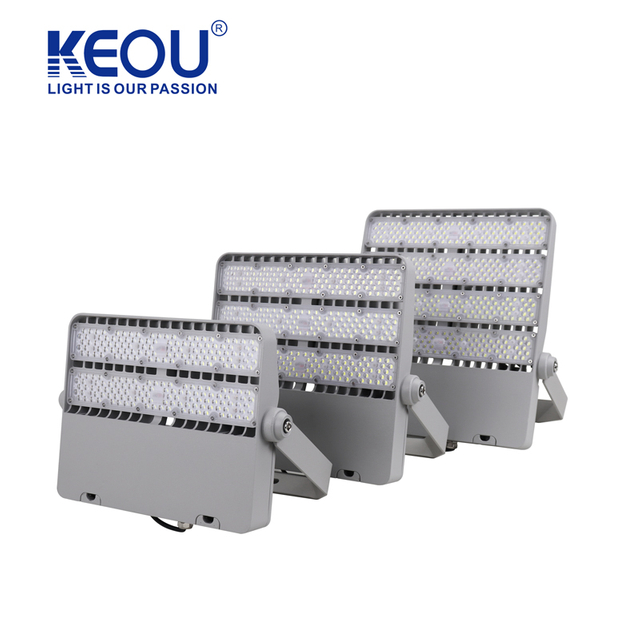
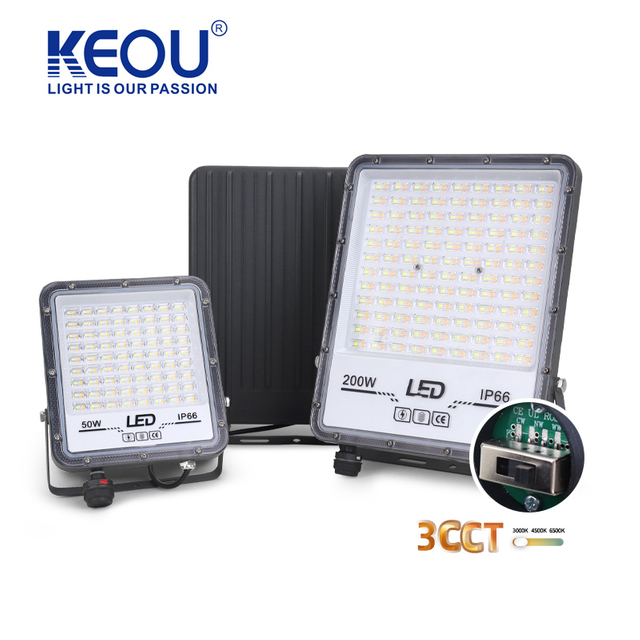
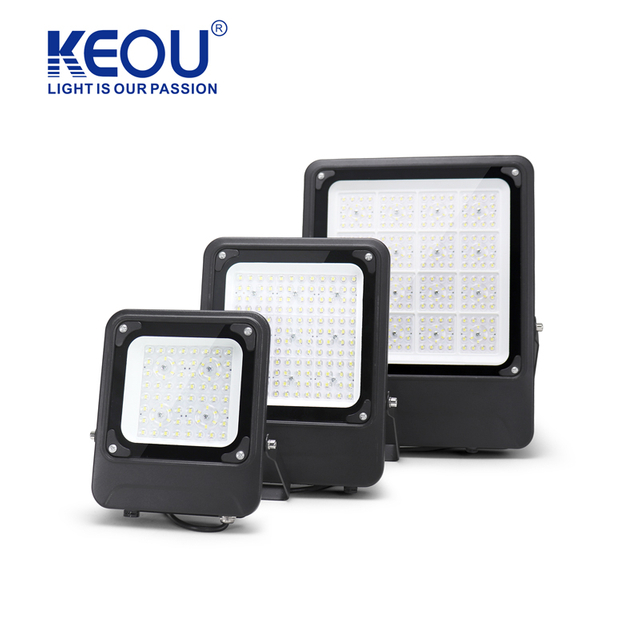
Disclosure: KEOU Lighting is our product. For procurements, consider IP-rated, shielded flood and street families that support remote dimming and easy access for driver/service replacement; include an internal product link in procurement appendices when inviting vendor quotes.
In 2026 smart controls are the procurement pivot for owners who want consistent guest experience, lower operating friction, and new recurring revenue from lighting. Focus buying decisions on the scenario you need to improve, make commissioning billable, and sell predictable outcomes rather than raw lumens.