Author: Huang Publish Time: 19-01-2026 Origin: Site


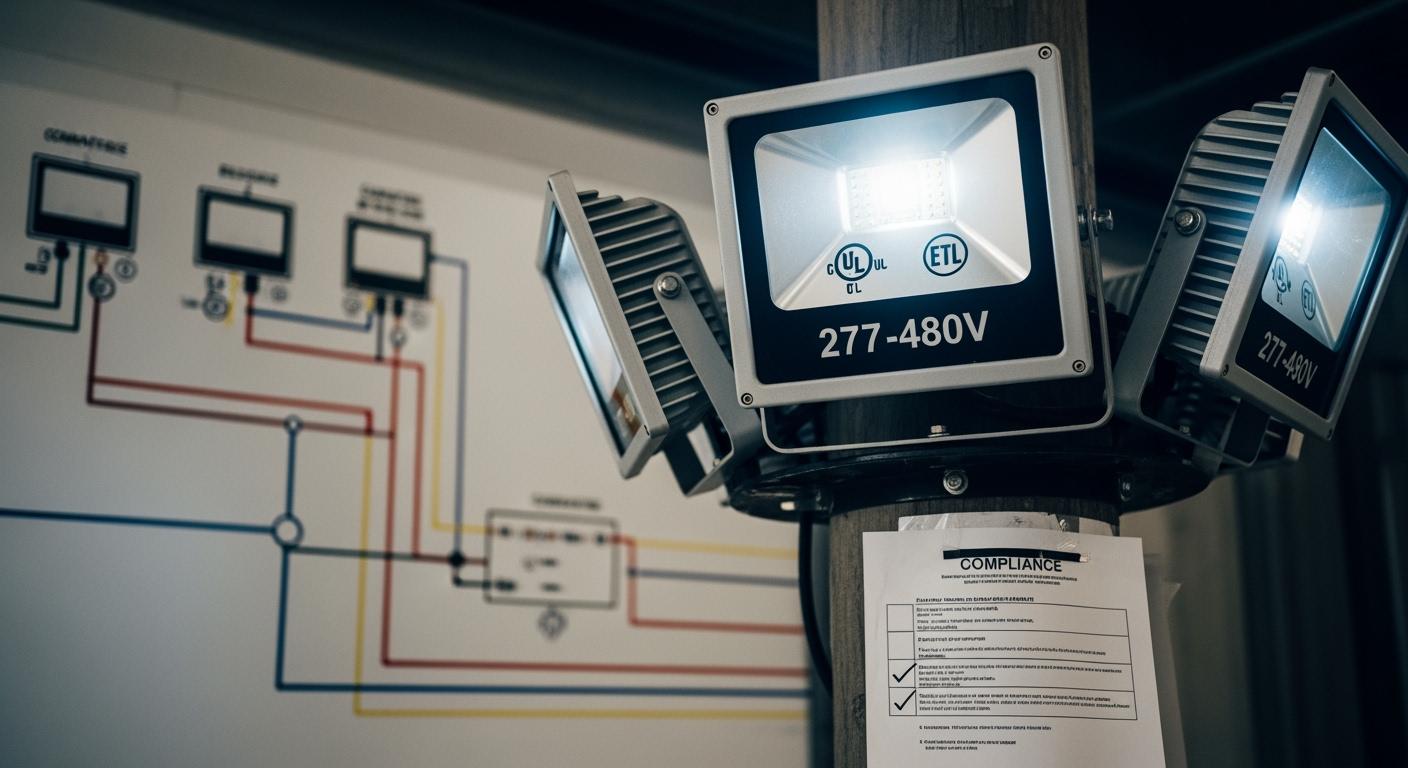
You can put UL/ETL 277–480V LED Flood Lights on most 277–480V electrical systems. You do not need to worry. UL and ETL certifications show the lights follow strict safety and quality rules. These certifications help keep you safe from electrical dangers. The wide voltage range lets these lights work in many commercial and industrial places. You get good performance and can use them for different projects.
Pick UL or ETL certified LED flood lights for safety and good quality. These certifications show the lights follow strict safety rules.
Check if the voltage range of your LED flood lights matches your electrical system. This stops flickering and early burnout.
Use waterproof LED flood lights outside. Ratings like IP65 or IP66 mean the lights can handle bad weather.
Follow good steps for installation, like turning off power and checking connections. This helps you stay safe from electrical dangers.
Ask a licensed electrician for hard installations or fixing problems. Getting help from a professional makes sure you follow local rules and stay safe.
You might notice UL or ETL marks on LED Flood Lights. These marks mean the lights passed tough safety checks. UL stands for Underwriters Laboratories. This group makes safety rules and tests products for safety. ETL means Electrical Testing Laboratories. ETL checks if products meet UL’s safety rules. Both UL and ETL are trusted testing labs in the country. OSHA is a government group that trusts both labs to test electrical products.
Tip: ETL is a good pick if you want quick and cheaper certification. UL is older and more famous, but ETL also has strong safety standards.
Here is a simple comparison:
| Aspect | UL Certification | ETL Certification |
|---|---|---|
| Standards Development | Makes its own safety rules | Tests using rules made by UL |
| Testing Process | Does lots of testing | Testing is quicker and costs less |
| Brand Recognition | Older and more popular | Not as well-known as UL |
You want your LED Flood Lights to be safe and work well. UL and ETL certifications help make sure of this. These certifications show the lights passed tests for fire safety, weather, and energy use. They also check if the lights last a long time. Using certified lights lowers the chance of electrical trouble or accidents.
Many building rules say you must use UL or ETL listed products. This helps you follow the law and keeps your building safe. Certified LED Flood Lights are tested for outdoor use, so you can trust them in bad weather. You keep your property and people safe when you pick certified lights.
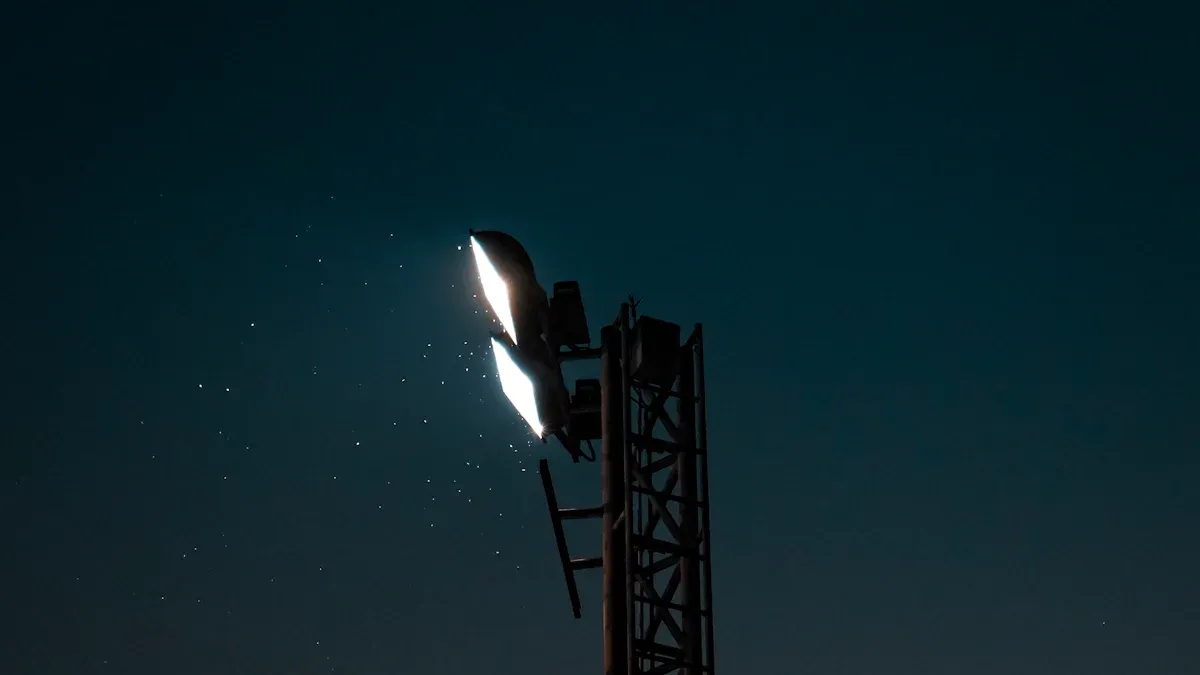
You may see the numbers 277–480V on many LED Flood Lights. This range tells you what kind of power these lights can use. In North America, many commercial buildings use 277V or 480V electrical systems. These numbers come from the three-phase power grids that run most large buildings and factories. The 277–480V input range lets you connect LED Flood Lights directly to these circuits. You do not need extra equipment like step-down transformers. This makes your lighting setup easier and safer. You also save money and time during installation.
When you use lights that match your building’s voltage, you get better performance. The lights turn on right away and stay bright. You do not have to worry about flickering or early burnout. You also meet building codes and keep your workplace safe.
You want to make sure your LED Flood Lights work with your electrical system. Follow these steps to check compatibility:
Look at the label on your light fixture. Find the voltage range. It should say 277–480V.
Check your building’s electrical panel. Find out if your system uses 277V or 480V circuits.
Ask your facility manager or an electrician if you are not sure about the voltage.
Many LED Flood Lights have high-quality drivers. These drivers let you use dimming controls like 0-10V or DALI. Make sure your system supports these features if you want to dim your lights.
Confirm that your site’s wiring matches the light’s voltage needs before you install anything.
Tip: Always double-check the voltage before wiring your lights. If you use the wrong voltage, your lights may flicker, not turn on, or burn out too soon.
You can avoid common problems by checking these details. Many people forget to match the voltage. This mistake can cause trouble, like underpowered lights or safety risks. Take your time and check everything before you start.
You need bright lighting for large spaces like warehouses, parking lots, or sports fields. High lumen output makes a big difference in these areas. Many UL/ETL 277–480V LED Flood Lights deliver powerful brightness. For example:
66,600 lumens at 480 watts
These numbers show you can light up wide areas with fewer fixtures. You save energy and reduce maintenance because you do not need as many lights. High lumen output also means you get clear visibility, which helps keep people safe and makes work easier. You can use these lights for many jobs, such as lighting up building exteriors, loading docks, or large outdoor spaces. The wide voltage range lets you install them in different types of buildings without worry.
Note: High lumen output helps you meet safety codes and lighting standards in commercial and industrial settings.
You want your lights to last, even in tough weather. Many LED Flood Lights come with waterproof ratings like IP65 or IP66. These ratings mean the lights can handle rain, dust, and even strong jets of water. You can use them outdoors all year without problems. Adjustable wattage is another helpful feature. Some models let you choose the power level that fits your needs. You can set the wattage lower to save energy or higher for more brightness. This flexibility helps you control costs and get the right amount of light for each area.
Waterproof lights work well in parking lots, sports fields, and building exteriors.
Adjustable wattage lets you use one type of light for many different jobs.
You get more value and less hassle when you pick lights with these features. They help you meet the needs of your business or facility, no matter the weather or project size.
You want your lighting project to go smoothly. Start by turning off the power at the breaker before you touch any wires. Use a voltage tester to make sure the power is off. Always read the manufacturer’s instructions. These guides show you the right way to mount and wire your lights.
Wear safety gloves and goggles to protect yourself. Use a sturdy ladder if you need to reach high places. Secure the mounting bracket tightly to a solid surface. Connect the wires by matching the colors: black to black, white to white, and green to ground. Use wire nuts and electrical tape to keep the connections safe.
Tip: Ask a licensed electrician for help if you feel unsure about any step. This keeps you safe and prevents mistakes.
After you finish wiring, double-check all connections. Restore power and test the lights. Make sure the LED Flood Lights turn on and work as expected.
You need to follow local electrical codes. These rules keep your building safe and help you pass inspections. Use only UL or ETL certified products. Inspectors look for these marks during checks.
Check if your city or state has extra rules for outdoor lighting. Some places require weatherproof boxes or special wiring. Use the right type of conduit and fittings for outdoor use. Label your circuits clearly in the electrical panel.
Note: Save all product manuals and certification documents. Inspectors may ask to see them.
If you follow these steps, you will meet code requirements and avoid costly delays. Good planning and careful work help you finish your project without problems.
You may notice problems when your LED flood lights do not match your electrical system. Look for these common signs:
The lights flicker or flash often.
The lights do not turn on at all.
The lights make buzzing or humming sounds.
The lights burn out much faster than expected.
The brightness seems weak or uneven.
The circuit breaker trips when you switch on the lights.
Tip: If you see any of these signs, stop using the lights until you check the setup. Using lights with the wrong voltage can damage your system or cause safety risks.
You can fix most compatibility issues by following a few simple steps. Here is what you should do:
Check the Voltage: Look at the label on your LED flood light. Make sure it says 277–480V. Check your building’s electrical panel to confirm the voltage matches.
Inspect the Wiring: Open the fixture and check the wire connections. Make sure you connect black to black, white to white, and green to ground. Loose or wrong connections can cause problems.
Test the Driver: Many LED flood lights use a driver to control power. If the driver fails, the light may flicker or not turn on. Replace the driver if needed.
Review Dimming Controls: If you use dimming features, make sure your system supports 0-10V or DALI controls. Wrong dimmer switches can cause flickering.
Replace Faulty Fixtures: If you find damage or signs of overheating, replace the fixture with a certified model.
Consult a Professional: If you cannot find the problem, ask a licensed electrician for help.
| Problem | Possible Cause | Solution |
|---|---|---|
| Flickering | Wrong voltage | Check and match voltage |
| No power | Bad wiring | Inspect connections |
| Buzzing sound | Faulty driver | Replace driver |
Note: Always turn off the power before you inspect or fix any electrical device.
You have learned the basics for picking UL/ETL 277–480V LED flood lights. Always check the voltage range before you buy any lights. Look for certification marks on the product. Here are some tips you can use:
Read the labels and manuals that come with the lights.
Ask questions if you do not understand something.
Get a licensed electrician to help with hard jobs.
Remember: Safe lighting begins when you have good information and make a careful plan.
Yes, you can use these lights outdoors. Most models have waterproof ratings like IP65 or IP66. These ratings protect the lights from rain, dust, and harsh weather.
This range shows the light works with both 277V and 480V power systems. You do not need extra equipment. You can install the light in many commercial or industrial buildings.
Look for the UL or ETL mark on the product label or packaging. You can also check the user manual. Certified lights always show these marks.
Check the voltage matches your system.
Inspect the wiring for loose connections.
Replace the driver if needed.
Ask an electrician for help if you cannot fix it.
You should hire a licensed electrician for safe installation. Electricians know how to follow local codes. They help you avoid mistakes and keep your building safe.