Author: Huang Publish Time: 26-12-2025 Origin: Site


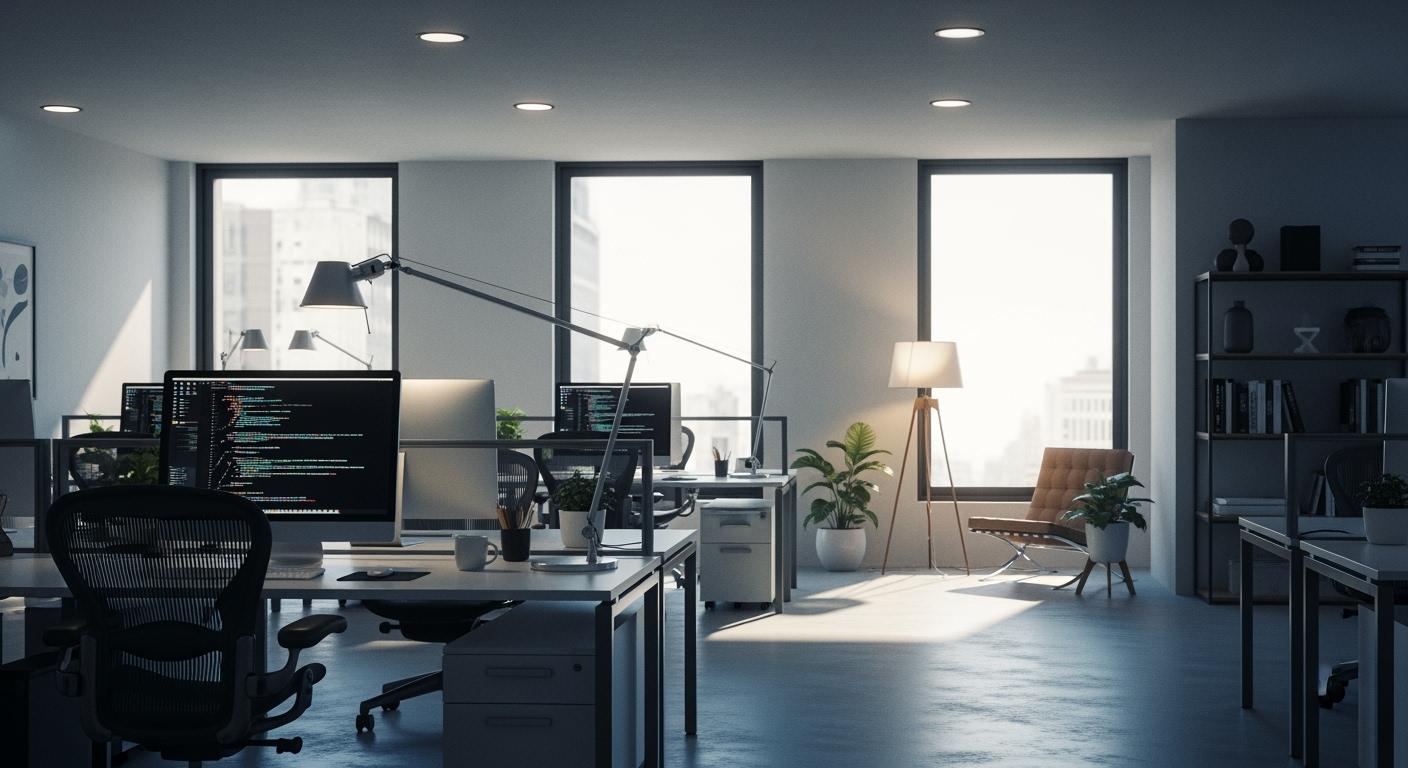
When you think about home office lighting, you might imagine a bright room. This room helps you focus and feel good. The main Types Of Lightings in an office are panel lights, troffer lights, downlights, and linear lights. These choices are important. Good home office lighting can make you feel happier. It helps you see things better. It also saves energy.
Panel lights spread light evenly over your desk.
Troffer lights go into ceiling grids and replace old lights.
Downlights are great for reading or doing tasks.
Linear lights light up hallways and big spaces.
"Employee well-being means making a place that helps people work in a healthy way. Giving the best lighting for different jobs is very important for this."
If you want good home office lighting, use different kinds of lights. Try new home office lighting ideas that work for you. The right light makes your office a nicer place to work.
Pick different lighting types for your office. Use ambient lights to make the room bright. Use task lights when you need to focus. Accent lights add style to the space.
Think about using LED lighting. LEDs use less energy and last longer. They help save money on electricity. LEDs are a smart choice for offices.
Put desks close to windows to get more natural light. Natural light helps people feel better. It also lowers energy costs and makes the workspace healthier.
Use dimmable lights so you can change the brightness. Adjusting lights helps your eyes feel less tired. It also makes the office more comfortable.
Change old lighting fixtures to make your office look better. Even small changes can help people work better and feel happier.
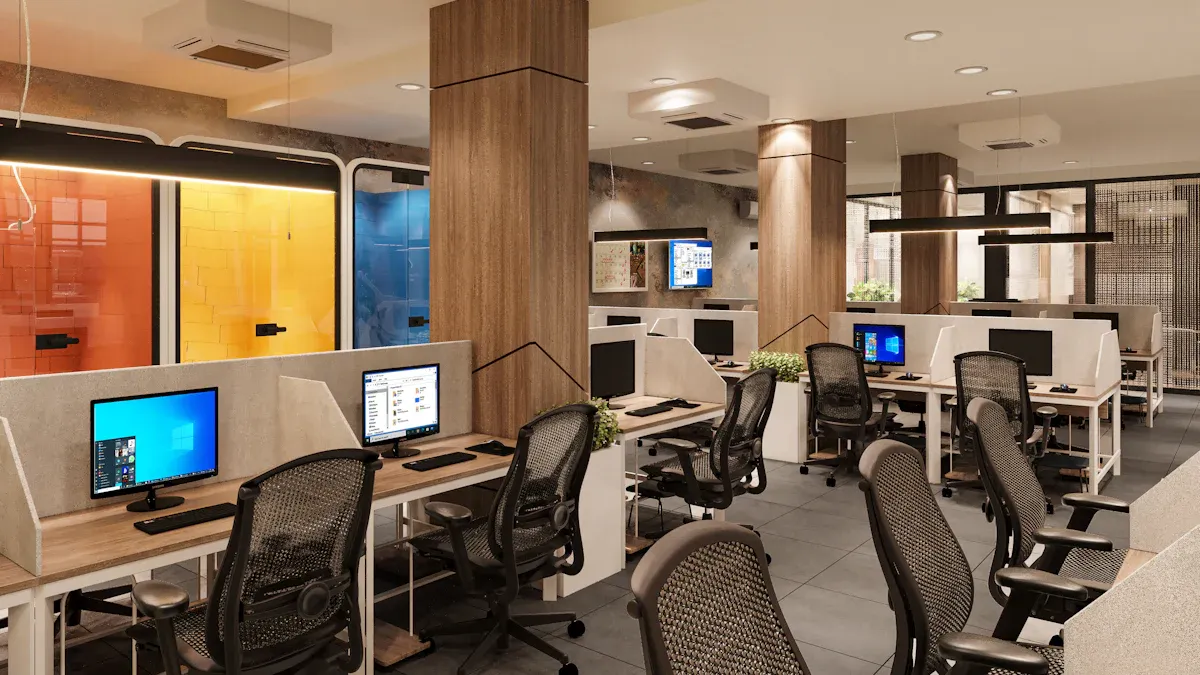
When you set up your workspace, you see many lighting choices. Each kind helps make your office comfy and helps you work well. Let’s check out the main types of office lighting and learn how they help with different jobs and spaces.
Ambient lighting gives your office a soft, even shine. It lights up the whole room so no spot feels dark. Ceiling lights, LED panels, and recessed lights are common picks. Experts say you should have 300 to 500 lux in your office. This amount helps you stay focused and feel good.
General office areas
Conference rooms
File rooms
Task lighting helps you see better when you do something special. You might use desk lamps you can move, under-cabinet lights, or floor lamps. Using both ambient and task lighting keeps your eyes from getting tired. You can point task lighting right where you need it. This helps you focus and sit in a healthy way.
Individual workstations
Meeting tables
Reading or document review areas
Accent lighting shows off cool things in your office. You can use track lights, wall sconces, or spotlights to highlight art or neat building details. Accent lighting adds style and makes your office feel friendly.
Reception areas
Conference rooms (for highlighting presentation boards)
Display or showcase areas
Decorative lighting makes your office look nice. Pendant lights, chandeliers, and fancy fixtures make your space look modern and fun. A good-looking office can make you feel happier and help you work better.
Reception and lounge areas
Conference rooms (for ambiance)
Executive offices
Natural light is one of the best kinds of lighting for any office. Put your desk near windows and use shiny surfaces to get more daylight. Natural light boosts your mood, helps you sleep better, and saves energy.
Open-plan offices
Meeting rooms with windows
Breakout spaces
Tip: Mix different types of lighting for the best office ideas. For example:
In a conference room, use ambient lighting and accent lighting for presentations. Add decorative fixtures for a cozy feel.
In a private office, use ambient lighting for general work, task lighting for your desk, and decorative lighting for style.
In a projection room, pick dimmable ambient lighting and bright task lighting near controls. Try not to get glare on screens.
In a file room, use bright, even ambient lighting so you can see clearly.
You can make a modern office lighting plan by using layers of these lighting types. This way, you work better, feel comfy, and enjoy your office every day.

When you choose office lighting, you need to think about the type of light source. Each one works differently and can change how your office feels and how much you spend. Let’s look at the three main types you’ll find in most offices.
Incandescent bulbs are the oldest kind of office lighting. You might remember them from home office lighting setups in the past. These bulbs give off a warm, soft light that makes colors look great. They also dim easily, so you can set the mood you want.
| Advantages | Disadvantages |
|---|---|
| Excellent color rendering | Uses a lot of energy |
| Dims smoothly | Short lifespan (about 1,000 hours) |
But incandescent bulbs use more energy than other types. They only last about 1,000 to 1,500 hours. You’ll need to replace them often, which means more work and higher costs. Most offices now use other options because these bulbs are not energy efficient.
Fluorescent and CFL lights are common in many offices. They last longer than incandescent bulbs and use less energy. You get bright, even light that covers a big area. This makes them good for large office spaces.
Fluorescent lights last between 7,000 and 15,000 hours.
They use less energy than incandescent bulbs.
They can flicker or buzz, which might bother you after a while.
Fluorescent and CFL lights are better for your wallet and the planet than old bulbs. Still, they are not as efficient as LEDs. Sometimes, the light can feel harsh or cold, which may not be the best for comfort.
LED lighting is now the top choice for office spaces. You see it in modern home office lighting and big offices too. LEDs use much less energy and last much longer than other lights. You can save money on your electric bill and spend less time changing bulbs.
| Feature | LED Lighting | Fluorescent Lighting | Incandescent Lighting |
|---|---|---|---|
| Energy Efficiency | Uses up to 44% less energy | Less efficient than LEDs | Least efficient |
| Lifespan | 25,000 to 50,000 hours | 7,000 to 15,000 hours | 1,000 to 1,500 hours |
| Environmental Impact | Mercury-free | Contains mercury | No hazardous materials |
| Maintenance | Less frequent replacements | More frequent replacements | Frequent replacements |
LEDs also help the environment. They do not have mercury and create less waste because you change them less often. You get bright, clear light that helps you see better and feel more awake. Offices that switch to LED lighting can cut lighting costs by up to 50%. You also help reduce greenhouse gas emissions and support a cleaner world.
Tip: If you want the best mix of comfort, savings, and good light, try LED lighting for your office.

When you want the best office lighting fixtures, you have many choices. Each one can change how your office looks and feels. Let’s check out the most popular options and see how they can help you create a bright, comfortable space.
You see LED panel lights in many modern offices. They give you even, glare-free light that covers a big area. These panels work well in ceilings and look clean and simple. You can pick edge-lit panels for a thin look or back-lit panels for more brightness. Suspended panels add style to open spaces, while recessed panels fit right into grid ceilings. LED office lighting like this saves energy and lasts a long time, so you don’t have to change bulbs often.
Recessed downlights sit inside the ceiling and shine light straight down. They make your office look neat and modern. You can use them for general office lighting, to highlight a special spot, or to set a mood. If you choose LED office lighting for these, you save energy and get a longer-lasting light. Smart controls let you adjust the brightness for different times of day.
Troffer lights fit into ceiling grids and give you bright, even light. They are cool to the touch and don’t flicker, which helps you work without distractions. LED troffer lights use much less energy than old bulbs and last up to 50,000 hours. You can find these in office centers, stairwells, and utility rooms. Better light quality can even help you feel more productive.
| Fixture Type | Key Features | Applications |
|---|---|---|
| ILELL 70W 2x4 | Long life, energy savings | Supermarkets, banks, retail stores, office buildings |
| Troffer light fixture | Efficient, flicker-free | Office centers, stairwells, utility closets |
Suspended and pendant fixtures hang from the ceiling and add style to your office. You can use them as a focal point or to make a space feel cozy. These lights come in many shapes and materials. Lower pendants make a room feel close and friendly, while higher ones open up the space. Linear suspension lighting gives you a modern look and works well in big rooms.
Track lighting lets you move lights along a track, so you can change your setup anytime. This is great if you move desks or want to highlight different areas. Track systems look professional and help you save energy. You can quickly adjust the lights to fit your needs.
Desk and task lamps give you focused light right where you need it. You can adjust them to cut down on shadows and glare. These lamps help you see better for reading or computer work. They also help prevent eye strain and make your workspace more inviting. Many people use them for home office lighting too.
Wall-mounted and floor lamps add extra light to corners or dark spots. They can make your office feel warmer and more welcoming. You can use them to brighten up a lounge area or add style to a meeting room. These lamps are easy to move and set up, so you can change your lighting anytime.
Tip: Mix different office lighting fixtures to get the best results. You can layer light for comfort, style, and energy savings.

When you choose office lighting, you want it to help you work well. Good lighting can make you feel happier and save money. It also keeps your office looking nice. Here are some things to think about.
Dimmable lights let you change how bright your office is. You can make the lights dim for meetings. You can make them bright for work that needs focus. This helps stop eye strain. It also helps everyone feel comfortable. If you work from home, dimmable lights give you more control.
Color temperature changes how your office feels. Cool blue and white light helps you focus. Warm light helps people relax and be creative. Most offices use neutral light. Neutral light is between cool and warm. Here is a simple guide:
| Color Temperature (K) | Effect on Mood/Performance | Suitable Environments |
|---|---|---|
| 2700K - 3500K | Relaxation, creativity | Collaborative spaces |
| 4000K - 5000K | Alertness, balance | General office |
| 5000K - 6500K | Focus, productivity | Analytical work |
Motion sensors turn lights on when you walk in. They turn lights off when you leave. This saves energy. It also makes your office smarter. You do not have to worry about leaving lights on.
Energy-efficient lights like LEDs use less power. They help you save money. LEDs last longer than other lights. They do not get hot, so you spend less on cooling. You also change bulbs less often.
Smart controls let you change your lights with your phone or computer. You can set times for lights to turn on or off. You can change how bright the lights are. You can pick the color temperature. This makes your office easy to manage.
Tip: Pick office lighting features that fit your needs. Think about brightness, color temperature, and saving energy. Good lighting helps you work better and feel good every day.

You need to look at your office layout before picking the best office lighting. Think about where people sit and how much space you have. Open offices need wide, even lighting. Small rooms work better with focused lights. If you have cubicles, try adding task lights for each desk. This helps everyone see clearly and feel comfortable.
Natural light makes your office feel bright and fresh. Place desks near windows to get more daylight. Use blinds or shades to control glare. When the sun goes down or clouds roll in, artificial lighting fills the gaps. Mixing both types gives you a healthy workspace. Many companies use smart systems that adjust lights based on how much sunlight comes in. This saves energy and keeps everyone happy.
Good lighting helps you stay alert and reduces eye strain. If lights are too dim or too harsh, you might feel tired or get headaches. Task lighting lets you control brightness at your desk. You can adjust it for reading, typing, or meetings. The best office lighting supports your health and helps you work better.
You want lighting that fits your budget and is easy to take care of. LED lights cost more at first, but they last longer and use less power. This means you save money over time. Pick fixtures that are simple to clean and replace. If you choose energy-efficient lights, you spend less on electricity and maintenance.
If your office feels dark or outdated, you can upgrade your lighting. Swap old bulbs for LEDs. Add task lamps to workstations. Try smart controls to change brightness or color. Small changes can make a big difference. You create a space where people feel good and get more done.
Tip: Mix natural and artificial light, use task lighting, and choose energy-saving options. This helps you build the best office lighting for every workspace.
You can boost your productivity and comfort by picking the right office lighting. Good lighting helps you work better and saves energy. Take a look at your current setup. Try switching to LED lights or adding task lamps. Mix natural and artificial light for the best results. If you want more ideas, check out guides on office lighting or talk to a lighting expert. Your workspace can feel brighter and more inviting with just a few changes!
You get the best results when you mix different types of lighting. Use ambient lights for general brightness. Add task lights for focused work. Try to use natural light when you can. This mix helps you feel comfortable and work better.
Pick lights that are not too bright or too dim. Use task lamps for reading or computer work. Take short breaks to rest your eyes. If you can, use lights with adjustable brightness.
Yes! LED lights save energy and last longer than other bulbs. They do not get hot. You spend less money on electricity and replacements. LEDs also give you bright, clear light that helps you see well.
Switch to LED bulbs. Use motion sensors so lights turn off when no one is there. Try smart controls to set schedules. Let in as much natural light as possible. These steps help you save energy and money.
Absolutely! Good lighting can make you feel happier and more awake. Natural light boosts your mood. Harsh or dim lights can make you feel tired. Choose lights that make your space feel bright and welcoming.