Author: Site Editor Publish Time: 06-11-2025 Origin: Site


When it comes to lighting, choosing the right type can be confusing. Many people wonder: what is the difference between a floodlight and a light? While "light" can refer to any fixture, a floodlight provides broad coverage for large areas. In this article, we will discuss the key differences between these two lighting types and why it's crucial to choose the right one for your needs.
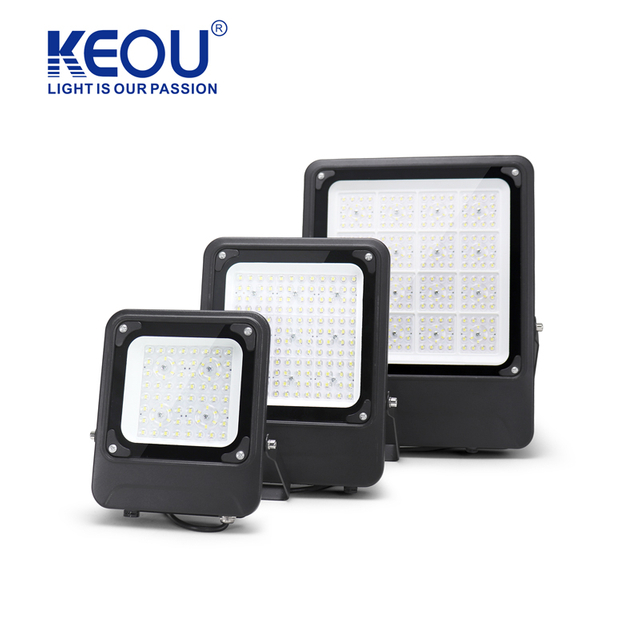
A floodlight is a type of lighting fixture designed to provide broad, uniform illumination over a large area. The primary characteristic of a floodlight is its wide beam angle, which allows it to light up expansive outdoor or indoor spaces. These fixtures are typically used in areas that require general lighting or security, such as sports fields, parking lots, construction sites, or even residential backyards.
The advantage of a floodlight is its ability to distribute light evenly, minimizing shadows and ensuring that the entire area is illuminated. The intensity and range of floodlights are ideal for applications requiring consistent lighting, such as nighttime events or security monitoring.
The term "standard light" is broad and refers to any lighting fixture that is not a floodlight or spotlight. This could include ceiling lights, table lamps, task lights, and accent lights. Typically, these lights serve more focused, decorative, or functional purposes in smaller spaces. While floodlights provide general illumination, standard lights are often used for more specific tasks, like reading or accentuating particular features of a room or landscape.
Standard lights, including spotlights, can be installed indoors or outdoors, often to highlight specific items such as artwork, plants, or architectural features. The beam angle of these lights tends to be narrower than that of floodlights, typically ranging from 10° to 45°.
The beam angle is the key differentiator between floodlights and standard lights. A floodlight has a wide beam angle that allows it to cover a larger area, while standard lights (e.g., spotlights) focus light into a narrow, concentrated beam.
| Light Type | Beam Angle | Coverage Area | Ideal Use Cases |
|---|---|---|---|
| Floodlight | 45° to 120° | Large areas | Parking lots, sports fields, security, outdoor lighting |
| Standard Light | 10° to 45° | Small to medium areas | Task lighting, accent lighting, highlighting features |
Floodlights generally have beam angles between 45° and 120°, which makes them perfect for covering large areas.
Standard lights, such as spotlights, often have beam angles below 45°, designed to focus light on specific areas or objects.
Tip: Choose a floodlight when you need wide coverage and a standard light when you want to emphasize a specific area.
The beam angle defines how the light is distributed in space. Floodlights provide broad, even light that covers large areas, making them ideal for outdoor and general-purpose lighting. The wider beam ensures uniformity and reduces shadows, which is crucial in security applications.
In contrast, standard lights create a focused beam that illuminates a smaller area with higher intensity. Spotlights, for instance, are often used in theater lighting or to highlight specific architectural details.
| Characteristic | Floodlight | Standard Light |
|---|---|---|
| Beam Angle | Wide (45° to 120°) | Narrow (<45°) |
| Light Distribution | Uniform, broad coverage | Focused, sharp beam |
| Application | Large outdoor spaces, security, general illumination | Highlighting objects, creating dramatic effects |
Broad, uniform coverage.
Ideal for large spaces or areas requiring consistent illumination.
Narrow, focused beam.
Perfect for highlighting specific features, such as artwork or landscaping elements.
Floodlights are designed for large spaces that require broad illumination. Their wide coverage makes them suitable for parking lots, stadiums, backyards, and industrial sites. Floodlights are perfect for lighting up expansive spaces and ensuring that every corner is visible, which is crucial for security purposes.
On the other hand, standard lights are better suited for smaller areas. These lights are often used for highlighting specific features in a room or garden, such as artwork, sculptures, or landscaping elements. The light from a standard light is typically more intense but doesn’t spread as far as a floodlight.
The applications for floodlights and standard lights are varied based on their intended purpose and design.
Outdoor security: Provides broad, even lighting for large outdoor spaces, helping to deter intruders and enhance visibility at night.
Large commercial areas: Ideal for illuminating parking lots, warehouses, or construction sites where wide coverage is necessary.
Public events: Essential for lighting sports fields, concert venues, or festivals, where uniform visibility is required.
Accent lighting: Used to highlight specific objects like artwork, sculptures, or landscaping features, creating visual interest and drama.
Task lighting: Often found in kitchens or offices, these lights provide focused illumination for specific tasks.
Decorative lighting: Can be used to enhance architectural elements or create atmosphere in a room or garden.
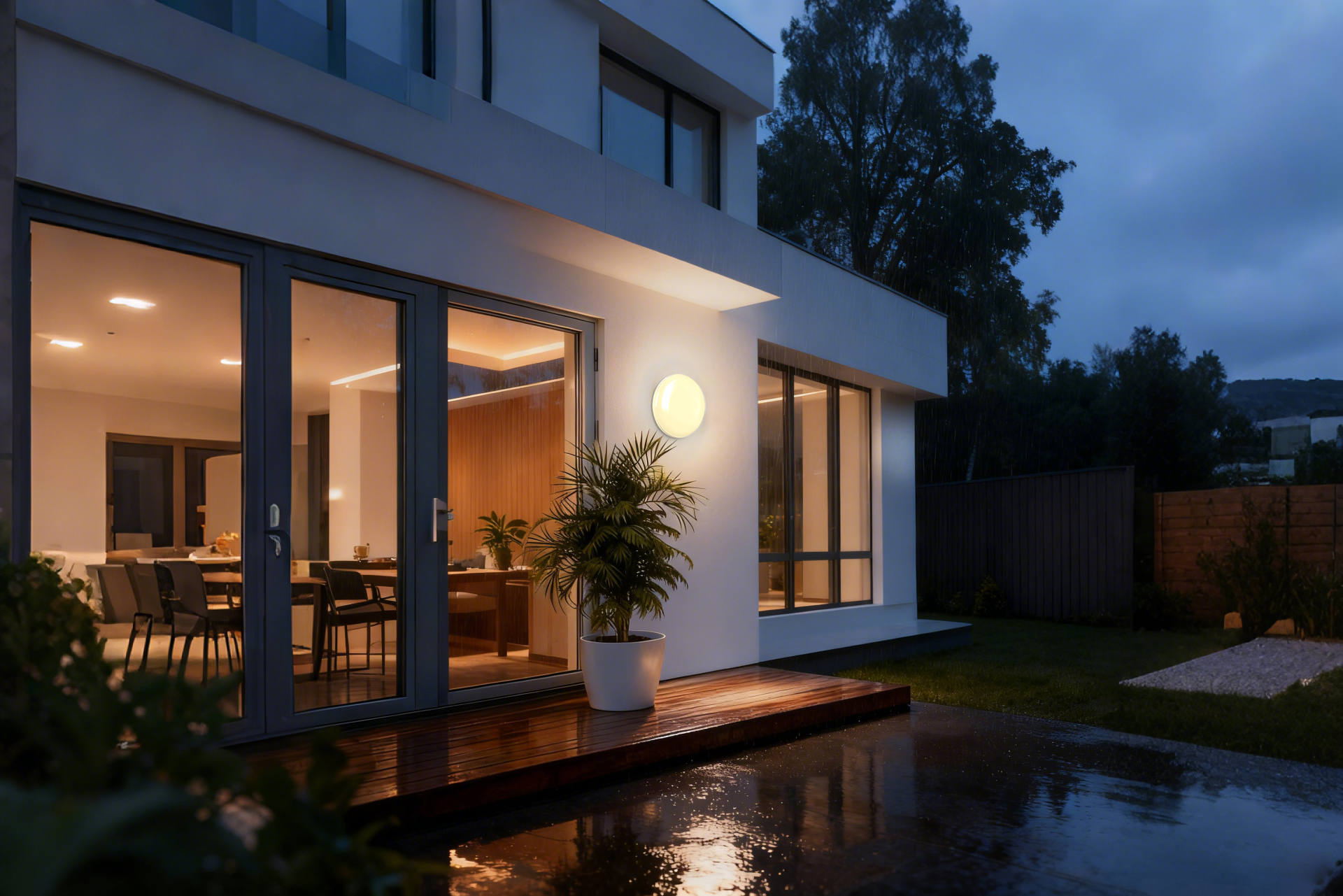
Floodlights are one of the most common lighting choices for outdoor security. Their wide coverage and intense light help illuminate large areas, making it easier to monitor your property or yard. When installed at strategic points, such as near entrances or along perimeters, floodlights can provide a bright and visible area to deter potential intruders.
For optimal security, floodlights should be installed at a height of around 9 feet, which provides the best range and visibility. Waterproof LED floodlights are a great choice for outdoor security, as they can withstand harsh weather conditions.
In commercial spaces, floodlights are essential for illuminating large outdoor areas such as parking lots, storefronts, and entrances. They create a welcoming environment and ensure the safety of customers and employees. Moreover, floodlights can also highlight landscape features, such as trees, bushes, and walkways, providing both security and aesthetics.
For large buildings or commercial venues, floodlights mounted on poles or walls can create a strong visual impact, illuminating the entire facade of the building or facility.
Floodlights are crucial for lighting sports fields, stadiums, and large event venues. The need for bright, uniform lighting is essential for both players and spectators. These areas often require floodlights that offer high-intensity illumination to ensure all parts of the field are visible, even during night games or events.
| Application | Floodlight Use |
|---|---|
| Sports Fields | Lighting large areas for visibility during night games |
| Commercial Areas | Illuminating parking lots, warehouses, or large spaces |
| Security | Providing uniform illumination for outdoor safety |
Standard lights, such as spotlights, are widely used for accent lighting in homes and offices. Spotlights can be strategically placed to illuminate specific areas, such as reading spaces, artwork, or sculptures. They provide high-intensity light in a concentrated beam, drawing attention to the highlighted feature.
In task lighting applications, standard lights are used to provide focused illumination for activities like cooking, reading, or working at a desk. These lights are designed to reduce shadows and increase visibility, making them ideal for detailed tasks.
When it comes to outdoor lighting, standard lights are commonly used to highlight specific features such as trees, fountains, or sculptures. Spotlights can create dramatic effects by focusing light on a single element, enhancing the beauty of the landscape, and creating a visually striking contrast between light and shadow.
By positioning spotlights at the base of a tree, for example, you can create an upward light effect that highlights the branches and leaves, adding depth and dimension to the garden.
Standard lights are also popular for decorative purposes. Whether it's lighting up a home’s entryway or highlighting a piece of art, these lights help set the mood and create ambiance. When used in landscape design, they provide subtle illumination that adds elegance to the space.
In addition to gardens, spotlights are commonly used for decorative purposes in indoor spaces, such as illuminating artwork in galleries or highlighting unique architectural features like columns or archways.
Choose a floodlight when you need broad, consistent lighting for large spaces or outdoor areas. For example:
Floodlights are great for illuminating parking lots, backyards, and commercial spaces where large-area visibility is required.
For security lighting, floodlights help ensure that every corner of the property is visible, deterring potential threats.
Opt for a standard light when your goal is to focus light on specific areas or objects. For example:
Spotlights are ideal for highlighting trees, sculptures, or unique architectural elements in your garden.
Use standard lights indoors for accent lighting to illuminate artwork, photographs, or specific features in your home.
When selecting between floodlights and standard lights, there are a few factors to consider:
Beam angle: For wide-area illumination, go with a floodlight; for focused lighting, choose a standard light.
Power: Higher-power floodlights are best for large spaces, while lower-power standard lights are more suitable for concentrated areas.
Installation height: Mount floodlights higher for maximum coverage, while standard lights can be positioned lower for targeted lighting.
In conclusion, the main difference between floodlights and other types of lights is their coverage area, beam angle, and intended use. Floodlights are ideal for broad illumination in large spaces, making them perfect for outdoor security, commercial use, and large venues. In contrast, standard lights, like spotlights, provide focused lighting for smaller areas, often used for accent or decorative purposes. When choosing lighting, consider the size of the area and the effect you want to achieve. Whether illuminating a parking lot or highlighting a feature in your garden, understanding these differences is key. KEOU offers high-quality lighting solutions that ensure excellent coverage and performance for both residential and commercial applications, providing lasting value with reliable products.
A: The primary difference lies in the beam angle. A floodlight provides broad, even illumination, while standard lights like spotlights focus on smaller, more specific areas.
A: Use a floodlight when you need to illuminate large areas, such as parking lots, stadiums, or backyards, where broad coverage is required.
A: Yes, floodlights are commonly used for outdoor security, as they provide consistent, wide illumination to enhance visibility and deter intruders.
A: Floodlights typically have a wide beam angle (45° to 120°), while spotlights have a narrower beam angle (10° to 45°) for focused lighting.
A: Yes, floodlights are perfect for outdoor events like concerts or sports games, as they offer large-scale illumination over wide areas.
A: Floodlights provide broad, uniform lighting over large areas, making them ideal for security, visibility, and large venue applications.