
Author: Huang Publish Time: 07-05-2026 Origin: Site


If you already know you need both ambient light (to make the space comfortable) and accent light (to make a wall, artwork, or product display look intentional), the decision usually comes down to this:
Option A: buy separate recessed downlights + recessed spotlights and lay them out as two layers.
Option B: use a 2-in-1 recessed spot downlight that combines both effects in one cutout.
This guide is built for distributors and contractors who want fewer installation surprises—especially in residential living/bedroom retrofits, retail display refreshes, and hospitality rooms where ceiling openings and timelines are fixed.
If this sounds familiar, you’re in the right place:
Existing ceiling holes don’t match the fixture sizes you stocked.
Cutout tolerances are “close enough” until the trim shows gaps.
The project needs both ambient and accent light, but there’s no room (or time) for extra cutouts.
Wiring and control choices are already locked, so compatibility mistakes turn into callbacks.
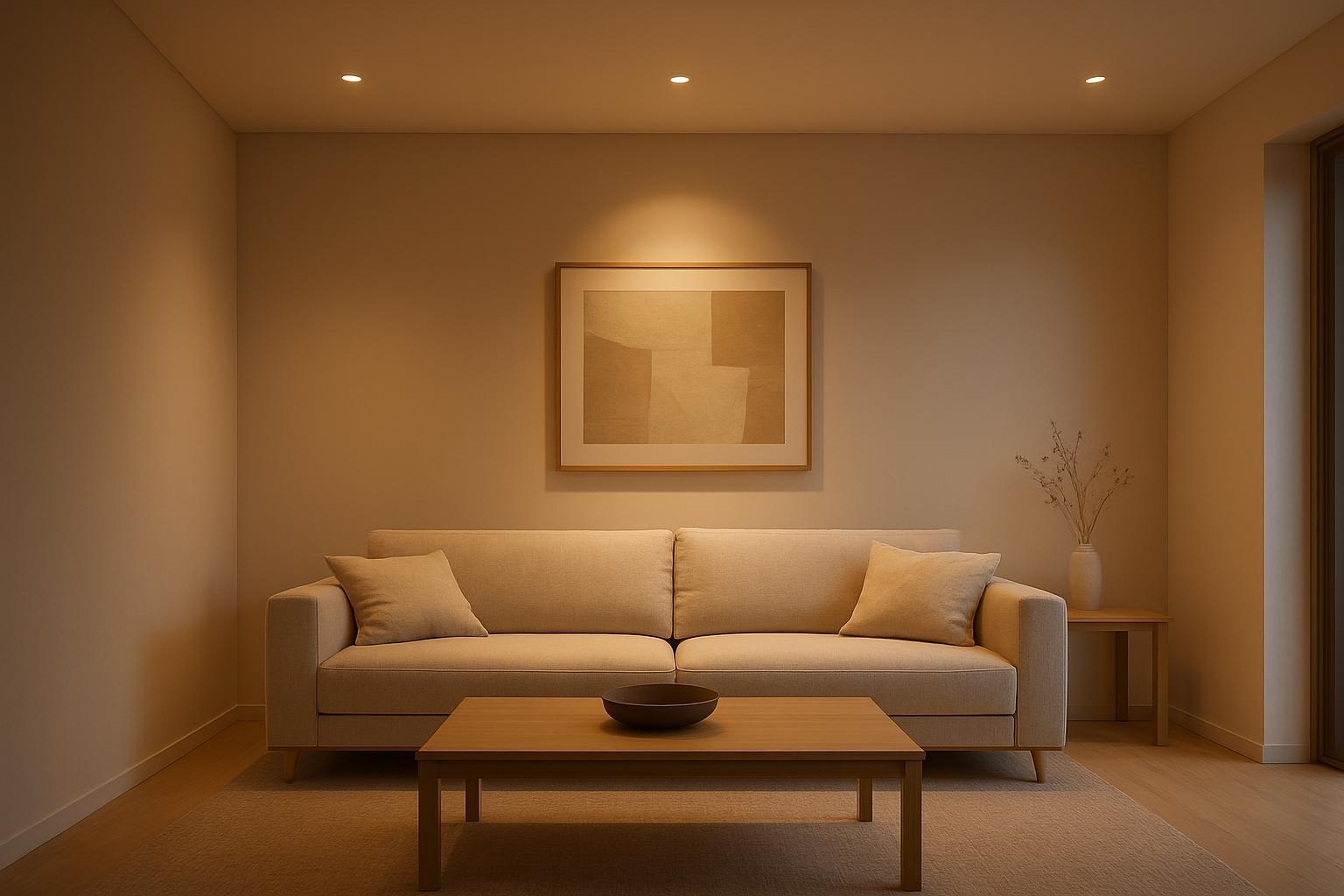
This is the same decision many buyers search as downlight vs spotlight—with one extra twist: whether a single cutout can deliver both roles without creating control and retrofit headaches.
Evaluation criteria | 2-in-1 recessed spot downlight (one cutout, two effects) | Separate downlights + spotlights (two fixture types) |
|---|---|---|
Ceiling cutouts | Fewer cutouts; can simplify layouts when openings are limited | More cutouts and layout planning; more coordination between trades |
Retrofit risk | Can reduce rework when you’re dealing with mixed existing holes (if cutout is adjustable) | Often forces you to match each hole to a specific fixture size |
Lighting flexibility | One position can deliver both ambient + accent effect (design depends on optics) | Maximum flexibility: you can place and aim each layer independently |
Control wiring | Can be simpler if designed for dual control | Can be more complex: more circuits or more fixtures to group |
SKU/inventory | Potentially fewer SKUs to stock for projects with unknown site conditions | More SKUs (downlight size + spotlight size + trims), higher mismatch risk |
Best fit | Apartments, hotel rooms, corridors, retail niches—tight ceilings and repeatable rooms | Large retail, galleries, high-end residential—when you want perfect aiming and contrast |
Pro Tip: Don’t start by asking “which fixture is better.” Start by listing what can’t change (existing cutout sizes, ceiling depth, wiring points, and whether you need accent light). Then select the fixture architecture that reduces your risk.
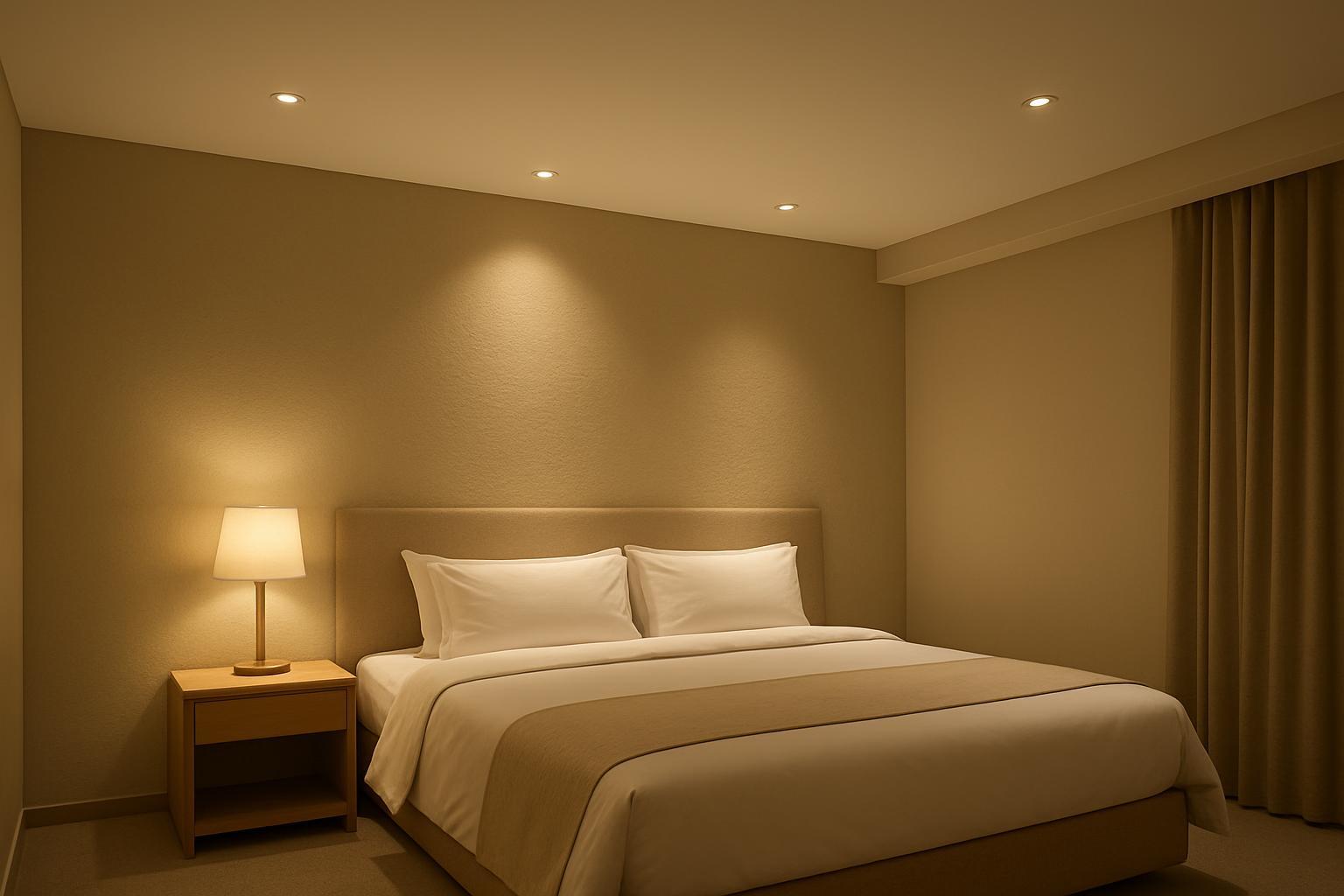
A recessed downlight is usually chosen for broad, comfortable coverage; a recessed spotlight is chosen to emphasize details with a tighter beam. Many guides explain this baseline difference—see Screwfix’s plain-language overview of Downlights & spotlights: the key differences (2026) and a similar breakdown in Sunro LEDs’ spotlight vs downlight explainer (2025).
If your project needs both effects but your ceiling plan doesn’t have room for two separate cutouts per zone, a 2-in-1 recessed spot downlight can be a practical way to keep the lighting layered without turning the ceiling into a grid.
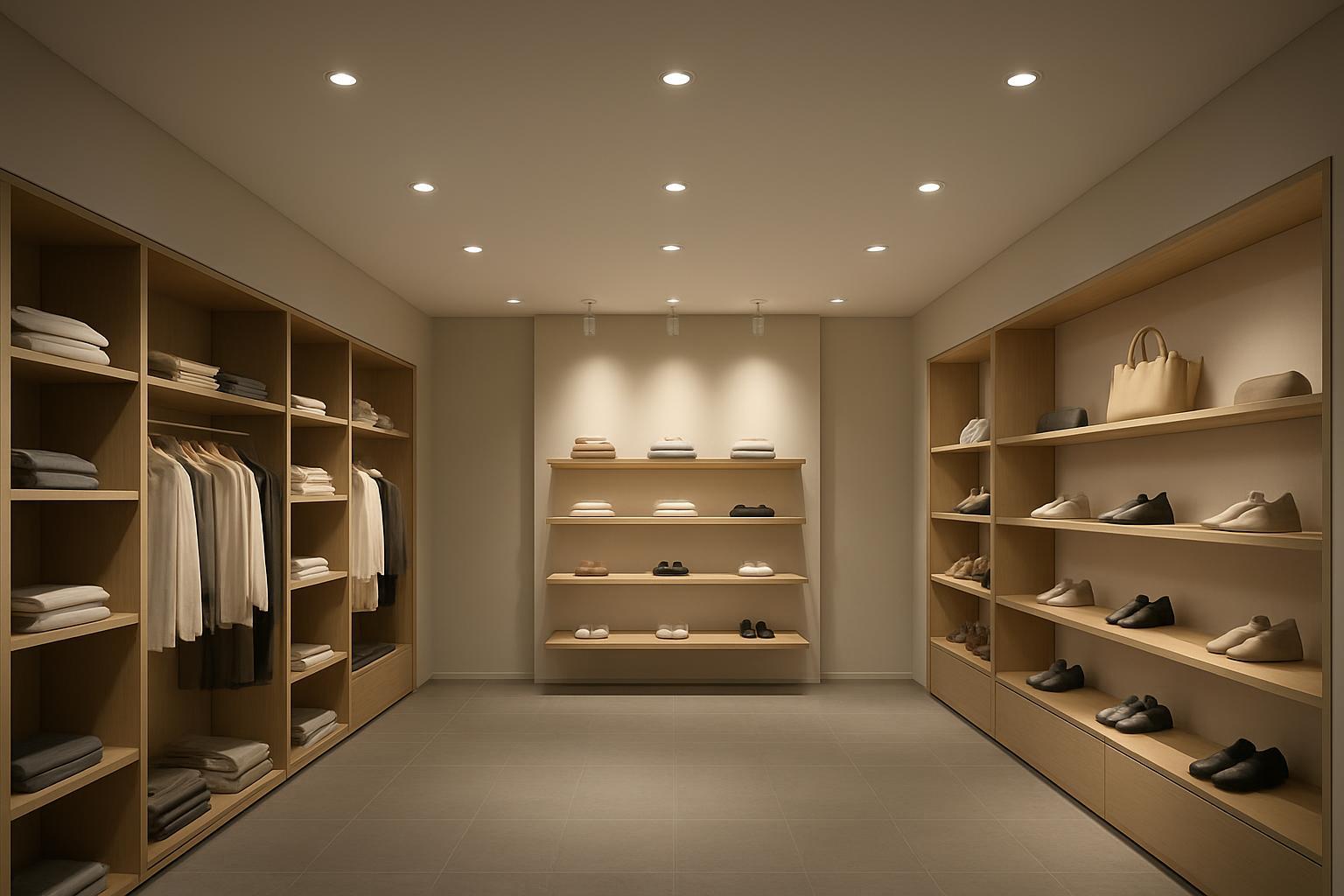
Cutout mismatch is one of the fastest ways to lose time on site:
Old ceilings often have inconsistent hole sizes.
Different installers use different hole saws.
Small “close enough” errors become visible gaps once the trim is in.
If you’re doing retrofit work, start with measurement—not assumptions. Premier Lighting’s guide on how to measure recessed downlights before choosing replacements (2026) is a good reminder of the basics.
If you’re actively comparing adjustable designs, this is the exact feature people mean when they search for an adjustable cutout recessed downlight—one fixture that can grip a range of hole diameters securely.
When one fixture can cover a range of hole sizes, you reduce two risks at once:
Ceiling rework (patching/recutting)
Inventory mistakes (stocking the wrong diameter)
Even distributors selling into mixed retrofit conditions often keep this in mind; Downlights Direct has a practical overview on downlights for large hole sizes and retrofit fit issues (2025).
For the MB043 recessed spot downlight series, the spring-clip design supports these cutout ranges:
KEOU-MB043-9W: 55–75 mm
KEOU-MB043-18W: 75–105 mm
KEOU-MB043-24W: 75–155 mm
KEOU-MB043-36W: 75–205 mm
In practice, this is most valuable when your project has mixed openings across room types (living rooms, bedrooms, hotel rooms, display corners) and you want to standardize the “look” without rewriting the ceiling plan.
If you choose separate fixtures, you’re buying flexibility—because you can place ambient and accent layers wherever you want.
But in many residential and hospitality jobs, ceiling openings are limited by:
slab/ceiling constraints
HVAC and sprinklers
lighting points already fixed in the MEP plan
A 2-in-1 recessed downlight spotlight can be a “one opening, two jobs” approach: a central downlight element for general light, plus an outer reflector zone to create a more directional highlight.
This is exactly the design logic behind KEOU Lighting’s recessed spotlights and downlights categories—two different roles, sometimes better delivered as two layers, sometimes more practical when combined. If you want the cleanest ceiling look, KEOU also offers recessed frameless downlights.
Most dissatisfaction comes from control confusion, not LED failure. In mixed-use spaces, people want simple behavior:
“I want comfortable light for daily use.”
“I want highlight light for a feature wall or product display.”
The MB043 concept uses dual wall switches (dual control) so the installer can separate how the two effects are activated.
⚠️ Warning: If you plan to use dimmers or smart controls, confirm driver and control compatibility before ordering. Control mismatch is a common source of flicker complaints and callbacks.
CCT selection is a classic MOFU trade-off: you want the right feel for the space, but you also want fewer returns.
With MB043, you can configure a dual CCT recessed downlight option such as:
3000K / 4000K
3000K / 6000K
4000K / 6500K
For project buyers, the practical advantage is that you can align CCT to scenario needs:
Residential living/bedroom: warmer or neutral, depending on finish materials
Hospitality rooms: neutral for cleanliness + comfort balance
Retail display/accent: cooler options when you want a “crisper” merchandising look
(Exact CCT pairing and availability should be confirmed per order, since projects may specify different combinations.)
In recessed fixtures, heat doesn’t disappear—it gets trapped above the ceiling.
For MB043, the design uses an aluminum heat sink to support heat dissipation. When you compare solutions, ask a simple question: what happens to heat in a shallow ceiling void over time?
If you’re evaluating multiple suppliers, this is where “materials and construction” should outweigh marketing claims.
You’re working with limited ceiling openings but still need two lighting roles.
You have mixed cutout sizes and want to reduce patching and returns.
You want to simplify installation in repeatable rooms (apartments, hotel rooms, corridors).
You need maximum aiming freedom (large retail floors, galleries, feature walls with precise highlights).
Your ceiling plan allows enough openings and your team wants full lighting-layer control.
Measure existing cutouts (or confirm planned cutout size).
Choose wattage model by the cutout range you need:
55–75 mm → MB043-9W
75–105 mm → MB043-18W
75–155 mm → MB043-24W
75–205 mm → MB043-36W
Decide your dual-CCT pairing based on the scenario.
Confirm wiring plan for dual control before mass ordering.
It can cover both roles in many practical layouts, especially when cutouts are limited. If your design requires highly directional, adjustable accent lighting at specific targets, separate spotlights still offer more precision.
They reduce the chances of shipping the “wrong size” and simplify retrofit jobs where existing holes vary from room to room.
Not always. Dual CCT is most useful when projects are still finalizing interior finishes, or when you need one product to cover multiple scenarios. If the specification is fixed and controlled, single-CCT can be simpler.
If you’re deciding between separate fixtures and a 2-in-1 approach, send:
your cutout diameter range (or the four MB043 cutout targets above)
space type (residential / retail / hospitality)
preferred CCT direction (warm / neutral / cool)
and whether you want dual wall-switch control
…and we’ll recommend the best-fit KEOU-MB043 recessed spot downlight configuration for your project.


