Author: Site Editor Publish Time: 26-02-2026 Origin: Site


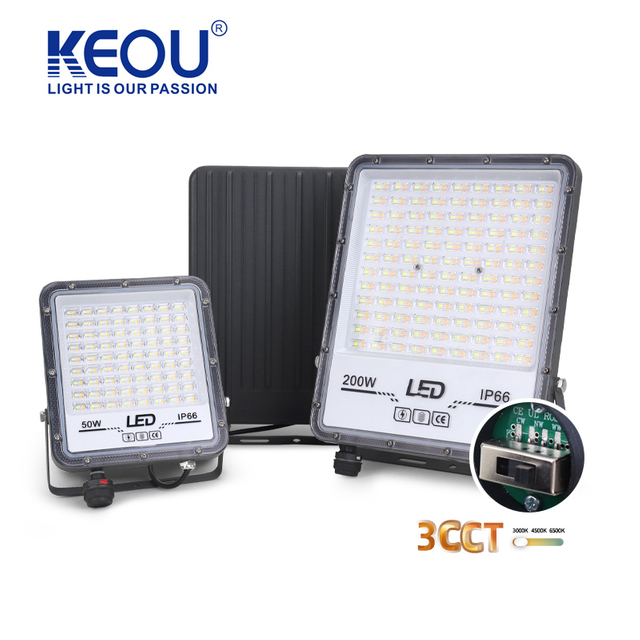
A flood light can instantly improve your home’s security and outdoor visibility. This guide shows how to choose the right fixture, plan placement, and safely wire and mount your lights. Learn tips for LED, motion sensor, or solar options, plus adjusting angles for optimal coverage. Whether illuminating driveways, gardens, or entrances, these steps help you install flood lights efficiently and safely, even as a DIY project.
Before touching anything, turn off power at the breaker. Don’t rely on the wall switch—it may still carry current. A voltage tester helps confirm wires are dead. They’re inexpensive but essential for safety.
Grounding is non-negotiable. Even if the light seems to work without it, skipping grounding can cause shocks or damage. Make sure all fixtures connect to a proper ground wire before continuing.
Quick Safety Checklist:
Power off at breaker
Test all wires for current
Connect ground wires securely
Wear insulated gloves when handling wires
Having everything ready makes the installation smooth. Most setups require:
Basic Tools:
Screwdrivers (flathead, Phillips)
Power drill and bits
Wire cutters and strippers
Ladder or scaffolding
Electrical Supplies:
Junction boxes
Conduit tubing and connectors
Wire nuts and electrical tape
Silicone caulk for sealing
Lighting Equipment:
Flood light fixture
Compatible LED bulbs or halogen bulbs
Mounting brackets and screws
| Category | Examples | Notes |
|---|---|---|
| Tools | Drill, screwdrivers, ladder | Ensure ladder stable |
| Electrical | Wire nuts, conduit, junction box | Weatherproof options |
| Fixtures | LED flood light, bulbs | Match voltage and wattage |
Local rules affect how and where you can install flood lights. Some building codes dictate wire type, mounting height, and fixture type. Others require permits for exterior electrical work. Check for guidelines on drilling holes or running conduit. Certain walls may need specific anchors or protection. Following codes not only keeps you legal but ensures your installation is safe and durable.
Tips for Compliance:
Visit your city’s building department website
Ask about permits for exterior lighting
Confirm wire gauge and fixture placement rules
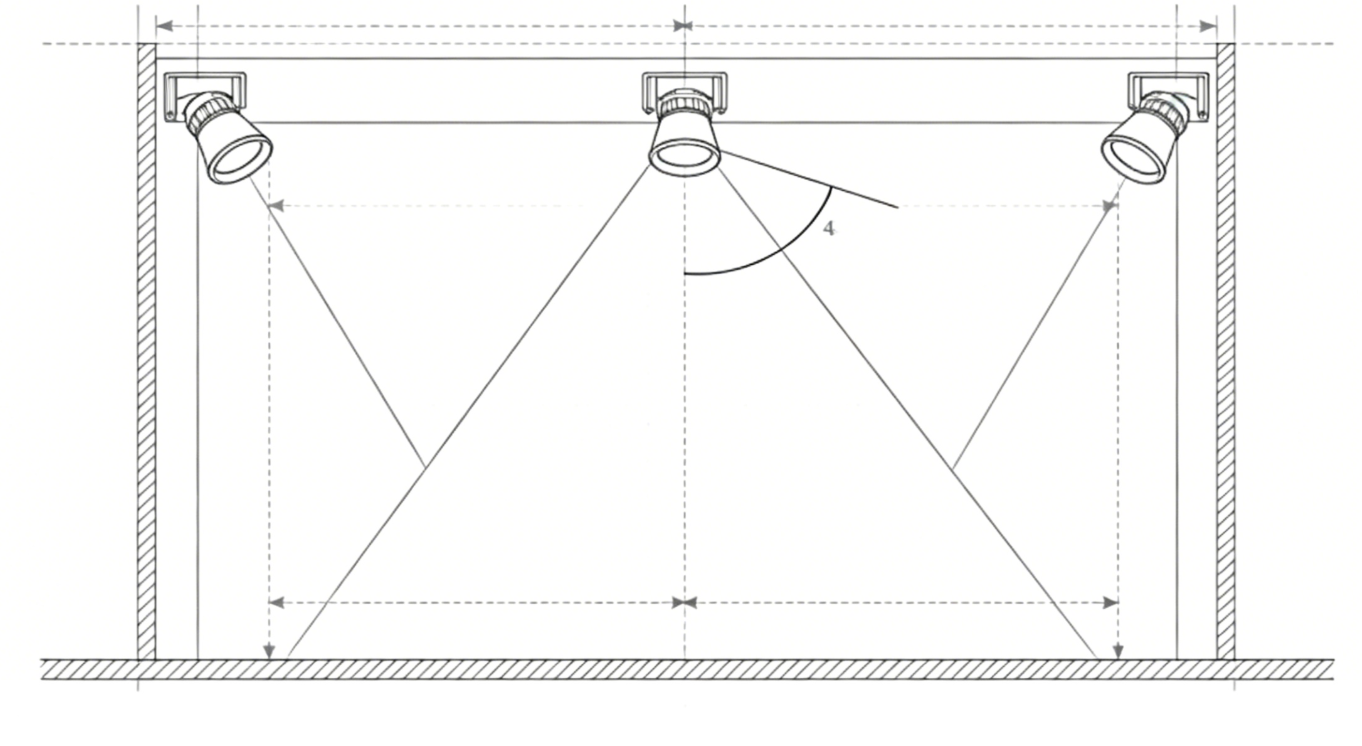
Start by deciding where the lights should go. Focus on entrances, driveways, and dark corners. Measure the mounting height and spacing between fixtures to ensure even coverage. Think about the beam angle and spread. A narrow beam works for highlighting features, while a wide beam illuminates open areas. Sketch your layout to avoid shadows or dark zones.
Quick Planning Tips:
Map light positions on paper
Note distances and angles
Consider pole, wall, or ceiling mounting
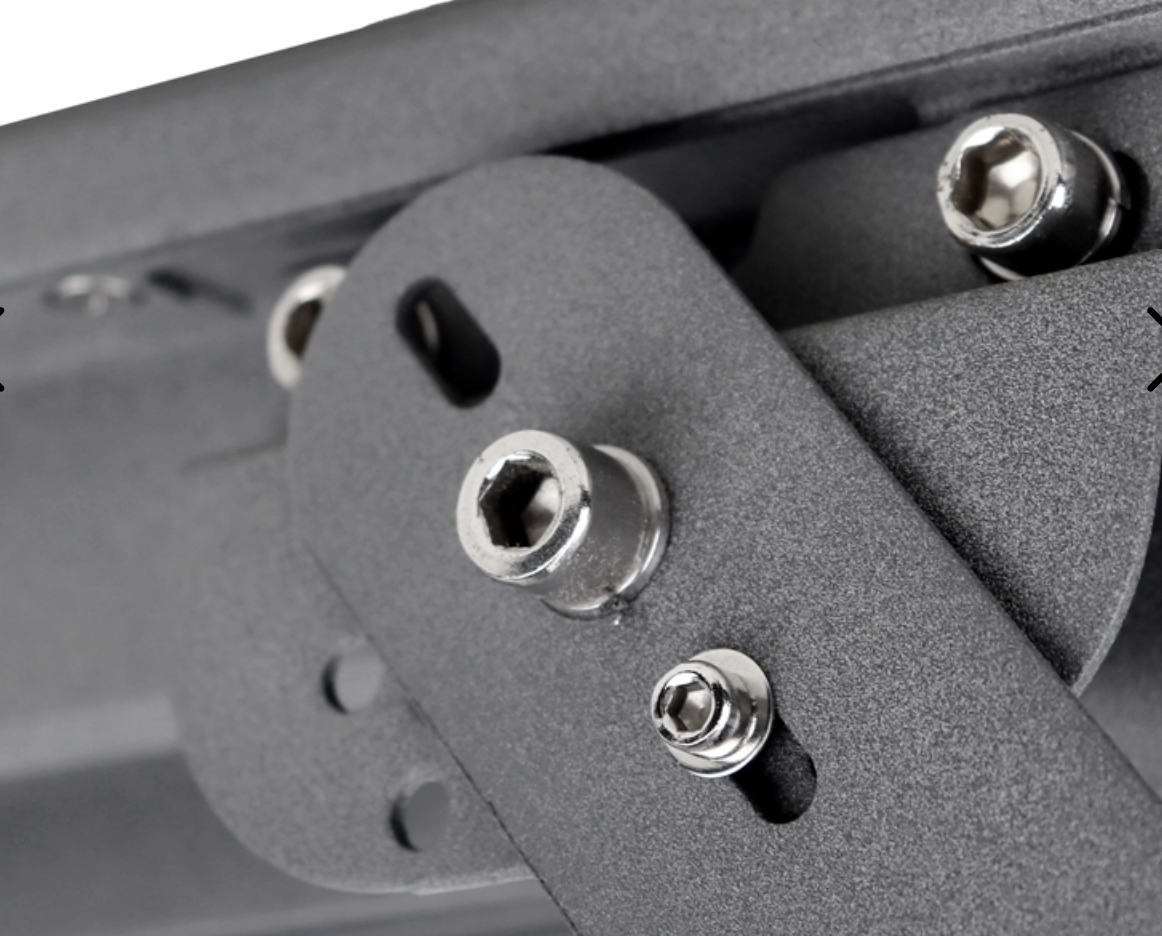
Attach a sturdy metal or plastic plate to the wall or mounting surface. Use expansion bolts, self-tapping screws, or anchors depending on the wall type. Make sure the base is stable. A wobbly bracket causes misalignment or fixture damage later.
| Surface Type | Recommended Fasteners | Notes |
|---|---|---|
| Concrete | Expansion bolts | Pre-drill pilot holes |
| Wood | Self-tapping screws | Avoid thin, weak boards |
| Brick | Anchors | Use masonry drill bit |
Decide whether to use direct wiring or conduit. Conduit protects wires and makes maintenance easier. Use fish tape to pull wires through tight spaces or conduit tubes. Connect the extension box, junction box, and outlet box according to your plan. Leave extra slack to make future adjustments easier.
Pro Tips:
Label wires while feeding
Avoid sharp bends in conduit
Keep wires away from heat sources
Identify live (brown/black), neutral (blue/white), and ground (green/yellow) wires. Twist wires together, secure with wire nuts, and wrap connections in electrical tape. All connections should go inside a waterproof junction box. Moisture can cause shorts or corrosion, so sealing properly is essential.
Wire Connection Checklist:
Match colors correctly
Twist wires clockwise
Tape and secure inside box
Attach the fixture to the bracket or wall. Make sure it’s tight and stable. Adjust the projection angle slightly downward to avoid glare on neighbors or drivers while maximizing coverage. If theft is a concern, consider locking screws or additional security brackets.
Insert compatible LED bulbs according to manufacturer specs. If your fixture has a motion sensor or photocell, attach it carefully. Adjust the sensor range, activation time, and brightness. Walk through the area to ensure it responds correctly to movement.
Turn on the power and check that the light works. Test motion sensors or dusk-to-dawn operation. Walk around to identify shadows or over-lit areas. Adjust angles if needed.
Testing Checklist:
Lights turn on instantly
Motion triggers properly
Coverage is even
Secure loose wires with clips or conduit. Seal any holes or junctions with silicone caulk to prevent water intrusion. Make sure the fixture and wiring are stable and weatherproof. Check all fasteners, and confirm nothing moves in wind or rain.
Maintenance Reminder:
Inspect yearly for loose screws
Replace worn caulk or damaged wires
Test sensors periodically
Even small errors can reduce performance or create safety hazards. Here are the most frequent mistakes to watch for.
Never skip grounding. It protects against electric shock and short circuits. Always place connections inside a waterproof junction box. Moisture can corrode wires and cause long-term failures.
Quick Tips:
Use proper wire nuts and tape
Seal junction boxes with silicone or gaskets
Check for exposed copper before powering on
Mounting too high reduces brightness on the ground. A beam angled incorrectly causes shadows or over-illumination. Adjust the flood light so it covers the intended area without waste.
| Mounting Height | Recommended Use | Beam Angle Tips |
|---|---|---|
| 3–4 m | Entrances & doors | Narrow to medium angle |
| 5–8 m | Yards & driveways | Medium to wide angle |
| 8 m+ | Parking lots | Wide-angle for coverage |
Avoid pointing lights at windows or nearby properties. Direct glare annoys neighbors and may violate local codes. Slightly tilt downward or adjust side-to-side for safe illumination.
Check the circuit capacity before adding flood lights. Overloading leads to tripped breakers, flickering, or even fire risks.
Keep total load below 80% of circuit amperage
Use separate circuits for multiple high-wattage lights
Verify breaker ratings before installation
For those looking to go beyond basic flood light setup, advanced installation improves durability, safety, and control.
Running conduit tubing keeps wires neat, protected, and long-lasting. Start by measuring the route from the power source to flood light location. Use elbows, hangers, and right-angle connectors to navigate corners and ceilings.
Pro Tips:
Secure tubing every 12–18 inches to prevent sagging
Use a level to keep conduit straight and aligned
Knock-out plugs on extension boxes allow smooth entry for wires
Professional-grade conduit protects against moisture, pests, and accidental damage
| Component | Purpose | Tip |
|---|---|---|
| Elbow Connector | Turns corners | Ensure snug fit |
| Conduit Hanger | Supports tubing | Place midway between connectors |
| Right-Angle Connector | Guides vertical runs | Tighten screws fully |
| Extension Box | Central junction | Use weatherproof gasket |
Using this method prevents wire damage and simplifies maintenance later.
Flood lights aren’t just static anymore. Integrating motion sensors, timers, and smart switches gives better control. Connect lights to your smart home hub or app to schedule operation, monitor energy use, and extend bulb lifespan.
Advantages:
Lights automatically turn on when movement detected
Dusk-to-dawn settings save electricity
Remote app control for on/off, dimming, or notifications
Compatible with multiple sensors for larger properties
Smart integration makes your flood lights more efficient, secure, and convenient, while reducing manual monitoring.
A: Typically 3–4 m for entrances, 5–8 m for yards or parking, and 8 m+ for open areas. Adjust beam angle for coverage.
A: Only if the circuit can handle extra load. Keep usage below 80% of total amperage.
A: Adjust angles downward, avoid pointing at windows or streets, and use appropriate beam spread.
A: Yes, many support motion sensors, photocells, timers, or smart controls for energy savings.
Mastering flood light installation doesn’t have to be complicated. From planning layouts to wiring, mounting, and smart sensor setup, a careful approach ensures brighter, safer outdoor spaces. Avoid common mistakes like poor grounding or glare, and explore advanced options like conduit or smart home integration for long-term reliability.
At Guangzhou Keou Lighting Co., Ltd., we provide high-quality flood lights designed for easy installation, durability, and energy efficiency. Let us help you brighten your outdoor areas safely and efficiently.