Author: Site Editor Publish Time: 26-02-2026 Origin: Site


Flood Light solutions are essential for illuminating large outdoor and indoor spaces with powerful, wide-angle brightness. If you’ve ever wondered what a flood light is, how it works, or which type fits your needs, this guide will walk you through everything clearly.
A flood light is a powerful lighting fixture designed to illuminate large areas. It spreads light broadly instead of focusing on a single point. We use it outdoors most often, though indoor models exist too.
Its beam angle usually ranges between 45° and 120°. That wide spread allows it to cover driveways, yards, warehouses, or sports courts efficiently.
Let’s break that down:
Narrow beam (around 45°) → More focused coverage
Medium beam (60°–90°) → Balanced spread
Wide beam (100°–120°) → Large area illumination
Flood lights produce high-intensity brightness. They generate strong illumination measured in lumens, not just watts. The higher the lumens, the brighter it appears.
People often confuse the two. They look similar. They work differently.
| Feature | Flood Light | Spotlight |
|---|---|---|
| Beam Angle | Wide (45°–120°) | Narrow (10°–45°) |
| Coverage Area | Large spaces | Small focused area |
| Typical Use | Security, yards, warehouses | Highlighting objects |
A spotlight highlights one object. A flood light brightens everything around it. That’s the key difference.
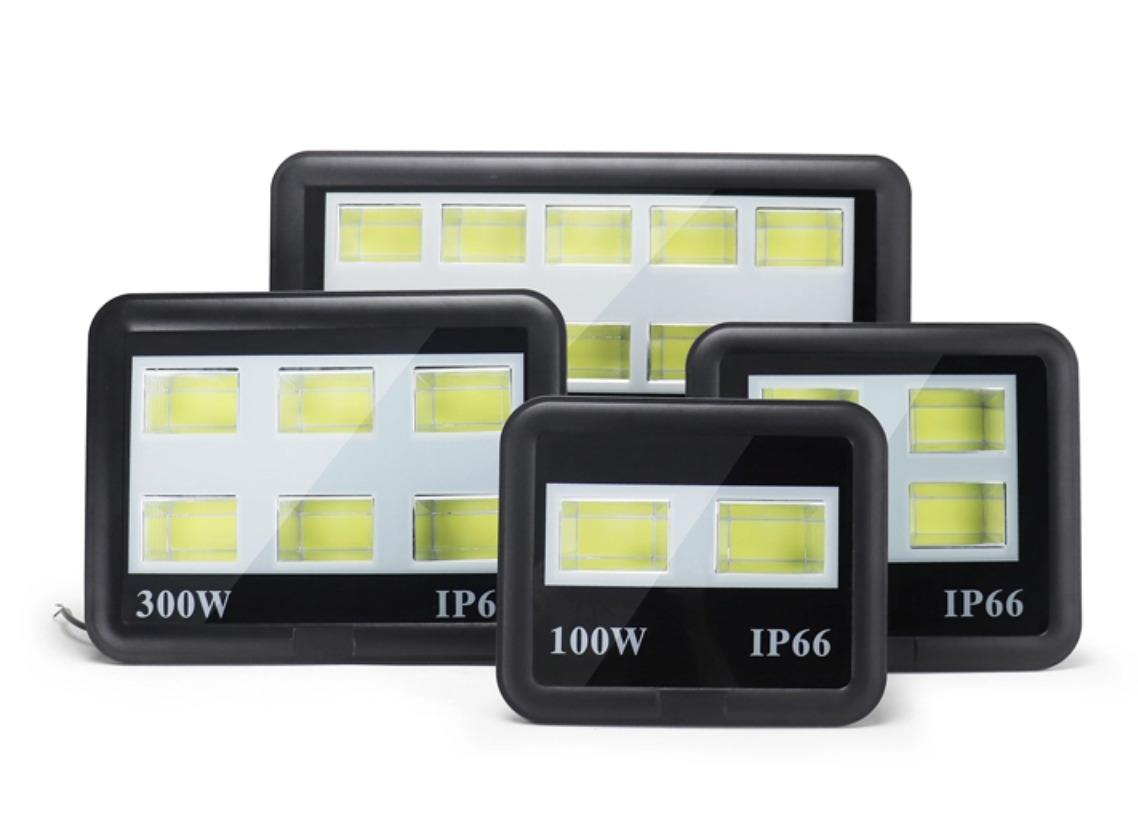
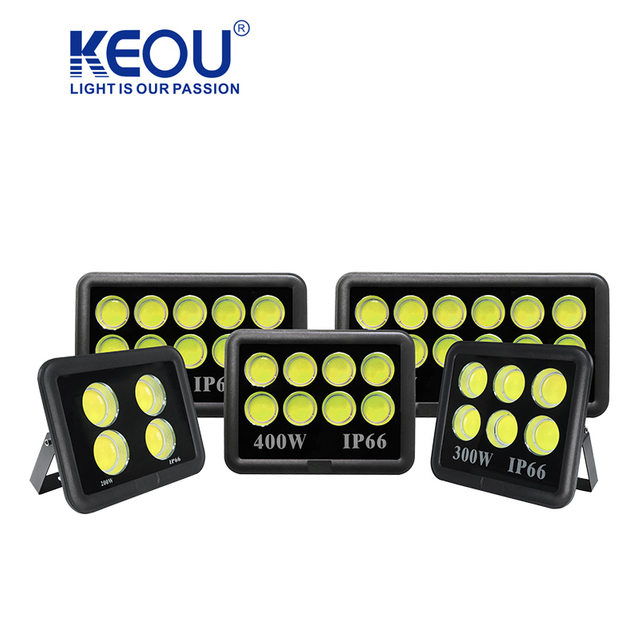
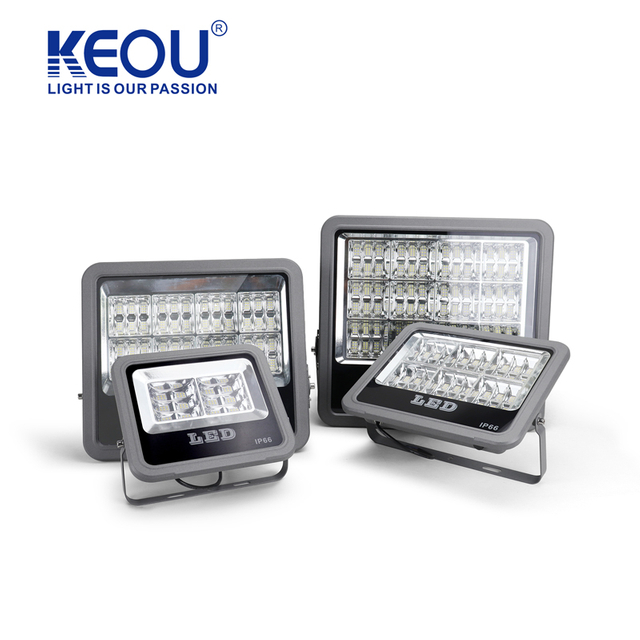
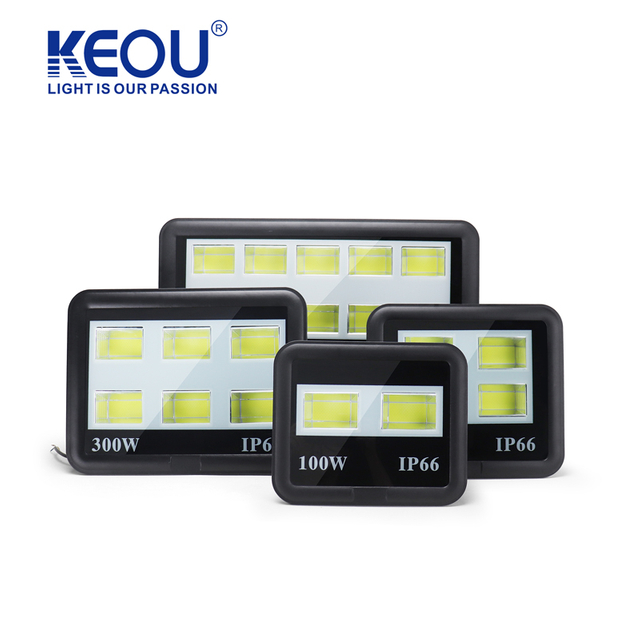
Different spaces need different lighting solutions. We don’t use the same flood light for a backyard and a stadium. Let’s look at the main types and how they compare.
LED flood lights are the most popular option today. You’ll see them almost everywhere. Homes use them. Businesses rely on them. They consume far less electricity than older technologies. In many cases, they reduce energy use by up to 80%.
Here’s why people choose them:
High brightness at low wattage
Lifespan between 25,000–50,000 hours
Minimal heat production
Lower maintenance needs
No mercury or toxic materials
They stay cooler during operation. It improves safety. It reduces fire risk in industrial areas. Most modern LED flood lights use integrated chips. We usually replace the entire unit, not just a bulb. That design improves durability.
Halogen flood lights were once the standard choice. Many older homes still use them. They produce a warm, yellow-toned light. Some people prefer that softer glow.
However, they come with drawbacks:
Higher electricity consumption
Shorter lifespan
Significant heat output
Frequent bulb replacements
In many regions, governments are phasing them out. Energy regulations drive this shift. LEDs now dominate the market.
| Feature | LED Flood Light | Halogen Flood Light |
|---|---|---|
| Energy Use | Low | High |
| Lifespan | 25,000–50,000 hrs | Up to 20,000 hrs |
| Heat Output | Low | Very high |
| Efficiency | Very high | Low |
We rarely recommend halogen for new installations today.
Metal halide flood lights deliver extremely high intensity. They are common in stadiums and large sports complexes. They produce bright, white light. It covers wide areas effectively.
Key characteristics include:
Strong lumen output
Suitable for high-mast installations
Good color rendering
Longer warm-up time
Unlike LEDs, they don’t reach full brightness instantly. They need a few minutes. That delay matters in some environments. They also consume more power than LEDs. Maintenance costs tend to be higher.
Solar flood lights operate off-grid. They use sunlight to recharge internal batteries. They work well in remote areas. No wiring required. Installation stays simple.
Benefits include:
Zero electricity bills
Easy setup
Environmentally friendly operation
Ideal for rural properties
However, battery performance affects output. Cloudy weather reduces charging efficiency. Short winter days impact runtime.
When choosing solar, consider:
Battery capacity
Panel size
Motion sensor integration
Expected nightly runtime
They offer flexibility. We just need to match them to the environment properly.
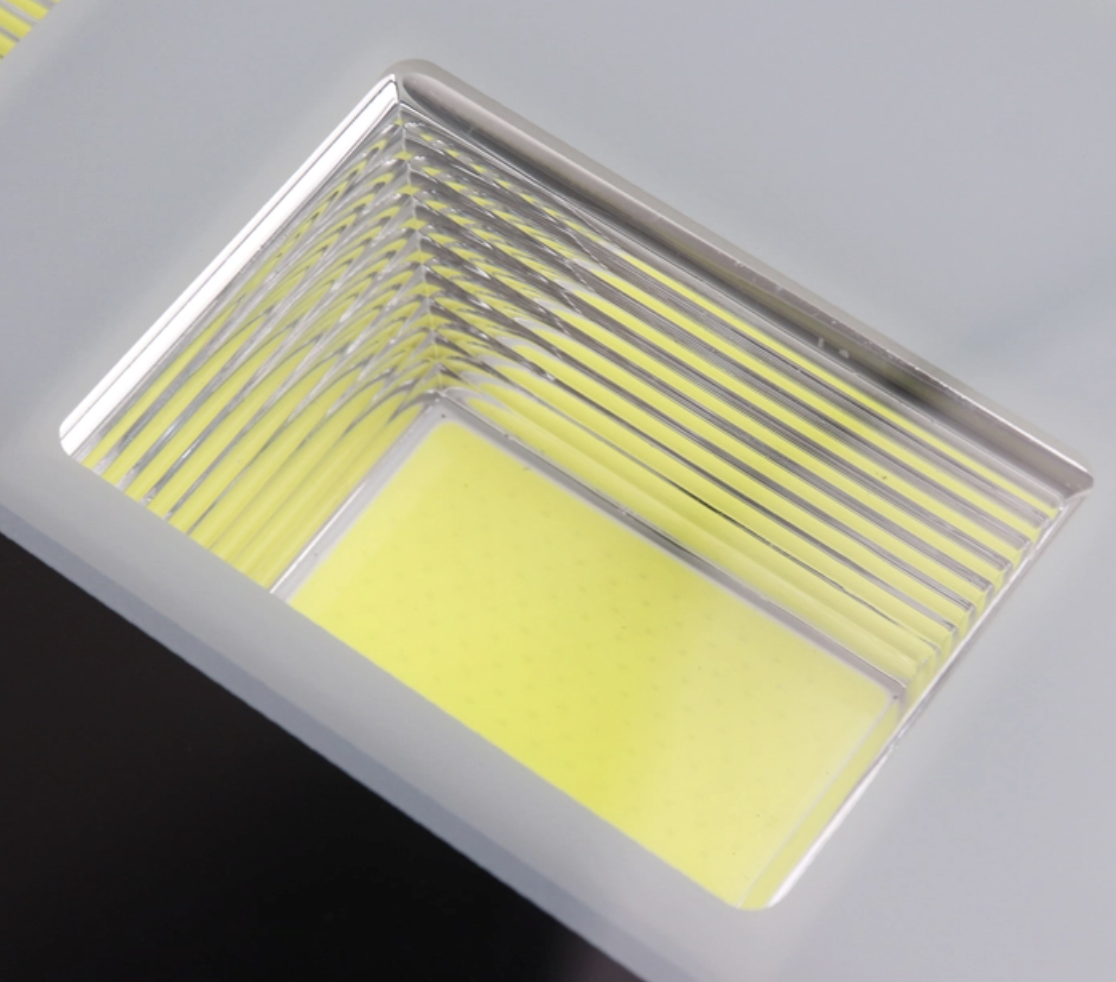
Flood lights distribute light across a broad surface. They do not concentrate it in a tight circle. Instead, they scatter it evenly.
It all starts inside the housing. The internal design controls how light exits the fixture. Engineers shape the reflector carefully. This spreads the beam outward. Older models used reflective bowls behind bulbs. Modern ones rely on advanced optics. They push light forward efficiently.
Traditional flood lights used halogen bulbs. A metallic reflector sat behind the bulb. It redirected light outward. Today, many models use precision lenses instead. They manage beam angle more accurately. It improves brightness distribution.
Most flood lights now use LED chips. These tiny semiconductors emit light directly. They consume less energy. They last much longer. Instead of a replaceable bulb, many LED flood lights come as sealed units. That design improves durability.
Here’s where many people get confused.
Watts measure energy consumption
Lumens measure brightness
In older halogen lights, higher watts meant brighter light. That’s no longer true with LEDs.
| Type | Wattage | Approx. Lumens |
|---|---|---|
| Halogen Flood | 300W | ~4,000 lumens |
| LED Flood | 30–50W | ~4,000–5,000 lumens |
LEDs deliver more light using less electricity. That’s why they dominate the market.
Flood lights can work indoors or outdoors. However, they are not identical.
Outdoor models handle rain, dust, heat, and cold. Indoor versions focus more on style and beam control.
Outdoor flood lights usually feature:
Sealed housings
Heavy-duty brackets
Corrosion-resistant materials
Indoor flood lights often offer:
Adjustable angles
Sleeker designs
Lower IP ratings
IP stands for Ingress Protection. It tells us how well a fixture resists solids and liquids.
| IP Rating | Protection Level |
|---|---|
| IP65 | Dust-tight, protected against water jets |
| IP66 | Stronger water jet resistance |
| IP67 | Temporary immersion protection |
For outdoor flood lights, we usually recommend IP65 or higher. It keeps water out. It protects internal components. Indoor flood lights rarely need high IP ratings. They stay sheltered. Exposure remains minimal.
Outdoor units must survive harsh conditions. Rain hits them. Wind shakes them. Heat builds up inside.
Manufacturers add:
Rubber gaskets
Toughened glass lenses
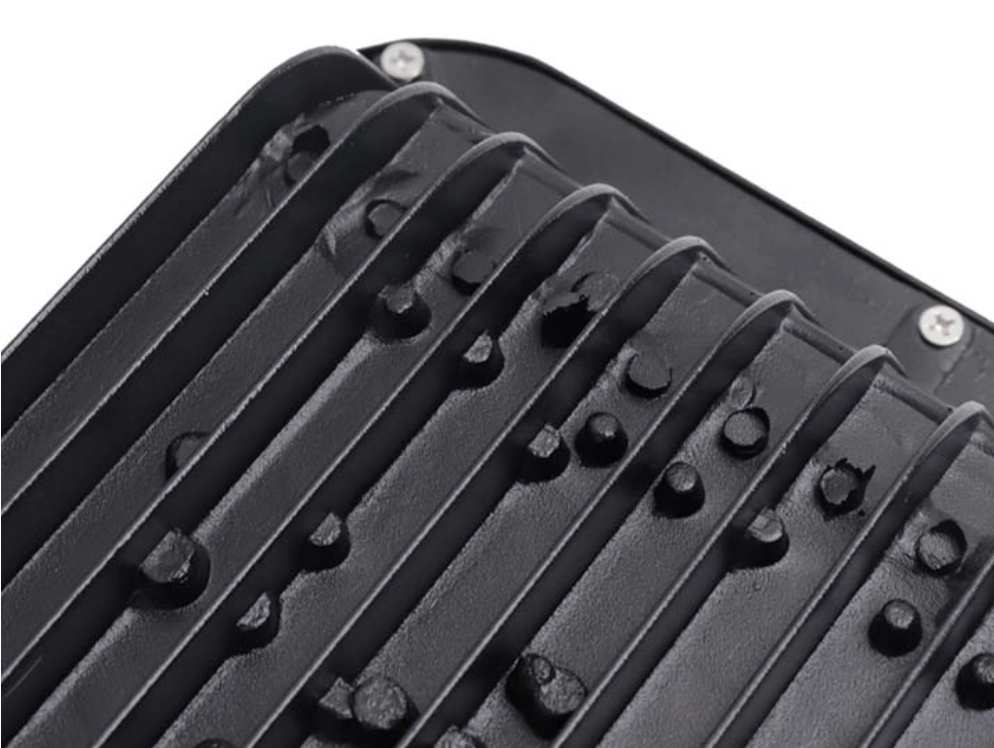
Built-in heat sinks
Heat sinks matter a lot. LEDs produce less heat than halogens. Still, they need cooling. Proper heat management extends lifespan. When choosing between indoor and outdoor flood lights, always check the IP rating first. It tells you where it belongs.
LED flood lights have transformed outdoor lighting in recent years. We see them installed on homes, warehouses, parking areas, and sports facilities. They consume less power. They also deliver strong, reliable illumination. Let’s explore why they are now the preferred choice.
Energy efficiency is one of the biggest advantages of LED flood lights. They convert a larger portion of electricity into visible light instead of wasted heat. That efficiency leads to noticeable savings.
Here’s a simple comparison:
| Lighting Type | Wattage | Approx. Brightness | Energy Consumption |
|---|---|---|---|
| Halogen Flood | 400W | ~6,000 lumens | Very High |
| LED Flood | 50W | ~6,000 lumens | Much Lower |
A 50W LED flood light can often deliver brightness comparable to a 400W halogen unit. We use far less electricity for similar output.
This results in:
Lower monthly electricity bills
Reduced overall energy demand
Smaller carbon footprint
Long-term financial savings
For businesses operating lights overnight, the savings become significant.
Brightness is measured in lumens. It indicates how much visible light a fixture produces. Higher lumens mean stronger illumination. LED flood lights typically range between 700 and 20,000+ lumens, depending on the model.
| Area | Suggested Lumen Range |
|---|---|
| Small patio | 700–2,000 lumens |
| Driveway | 3,000–5,000 lumens |
| Commercial yard | 10,000+ lumens |
Instead of focusing on wattage, we now look at lumens. It gives a clearer idea of actual brightness.
LED flood lights are built for extended use. Most operate between 25,000 and 50,000 hours.
This extended lifespan reduces:
Replacement frequency
Maintenance labor
Equipment downtime
Disposal waste
In commercial settings, especially where lights are mounted high above ground, fewer replacements save time and money.
Outdoor lighting must perform in challenging environments. It may face rain, airborne dust, humidity, or temperature changes. LED flood lights are engineered to handle those conditions.
Many models carry strong IP ratings:
IP65 – Dust-tight and resistant to water jets
IP66 – Increased resistance to heavy water exposure
IP67 – Protected against temporary water immersion
Higher IP ratings offer stronger protection for outdoor use.
Manufacturers also design these fixtures using:
Corrosion-resistant aluminum housings
Sealed internal components
Tempered glass lenses
Integrated heat sinks
Heat sinks draw warmth away from internal circuits. This improves performance stability and extends operational life.
LED flood lights operate at significantly lower temperatures compared to halogen systems. Reduced heat lowers potential fire risks. They also provide clear, consistent brightness. That improved visibility enhances security around homes and commercial properties.
Well-lit areas discourage unwanted activity. Security cameras capture clearer footage under strong, even lighting. For industrial sites, better visibility supports safer working conditions. It helps workers identify obstacles and hazards more easily. LED flood lights improve efficiency, reliability, and overall safety across many environments.
A: Yes. LED flood lights are more energy-efficient, last longer, and produce less heat than halogen models. They can use up to 80% less electricity while delivering similar or greater brightness.
A: Most LED flood lights last between 25,000 and 50,000 hours, depending on usage and build quality. That means several years of reliable performance.
A: Yes, especially LED models. They are designed for extended use and consume less power. Motion sensors can help reduce energy usage.
A: IP65 is the minimum recommended rating. It protects against dust and water jets. Higher ratings like IP66 offer stronger protection.
Now you have a clearer understanding of how different flood lighting options perform, where they work best, and what factors truly matter — from lumens and beam angles to durability and energy efficiency. Choosing the right Flood Light isn’t just about brightness; it’s about long-term performance, safety, and cost control.
At Guangzhou Keou Lighting Co., Ltd., we focus on delivering reliable, high-efficiency LED flood light solutions tailored for residential, commercial, and industrial projects. Whether you’re upgrading outdoor security lighting or planning a large-scale installation, selecting the right partner makes all the difference.