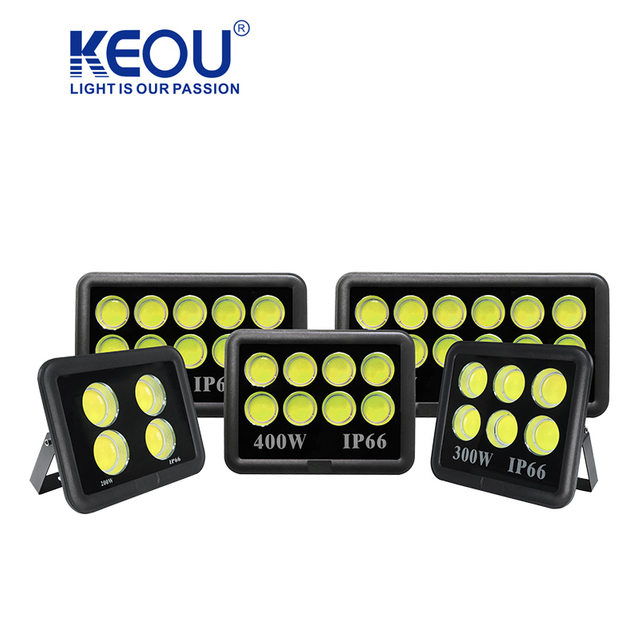
Author: Site Editor Publish Time: 26-02-2026 Origin: Site


Flood lights are essential for anyone looking to illuminate large outdoor or indoor spaces efficiently. These versatile lighting fixtures provide bright, wide-beam coverage, making them perfect for security, sports venues, construction sites, and residential areas. Whether you want to enhance safety, highlight architectural features, or host evening events, flood lights deliver reliable performance. In this blog, we’ll explore what flood lights are used for, their benefits, and how they can transform spaces. Discover how Guangzhou Keou Lighting Co., Ltd. offers energy-efficient solutions for every lighting need.
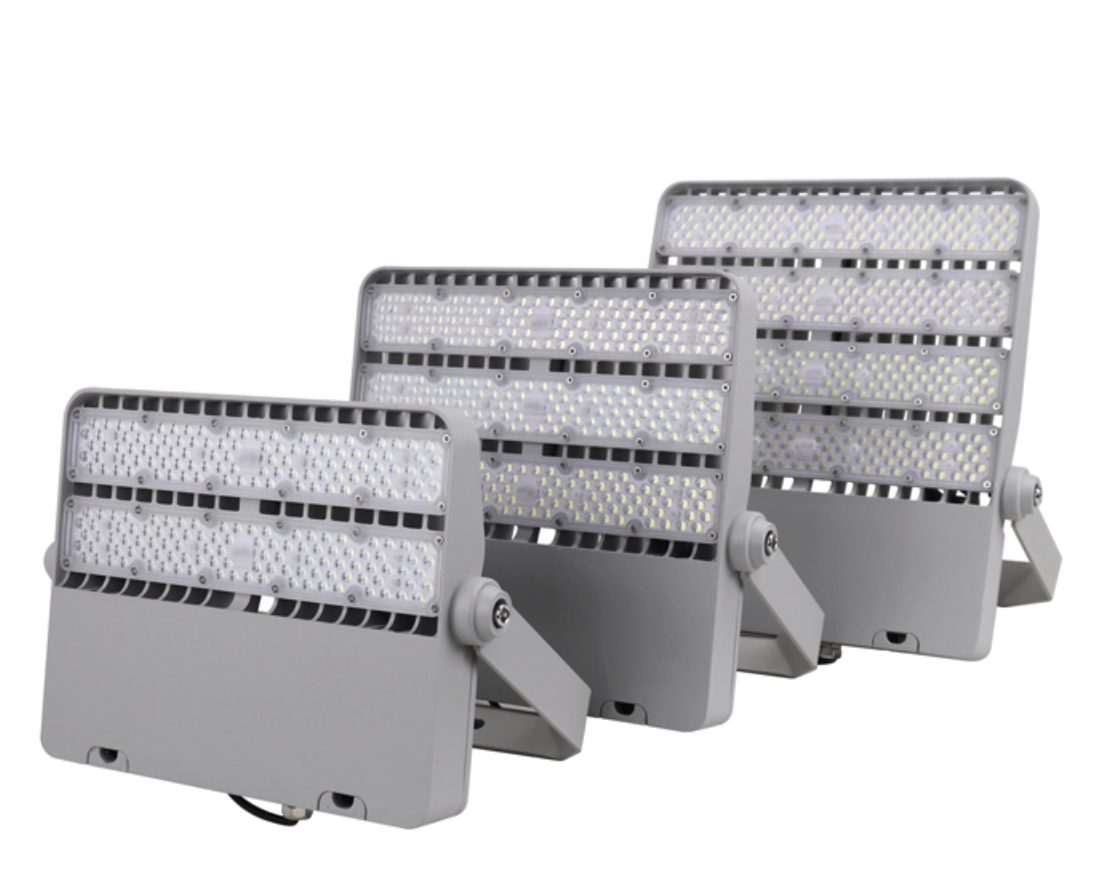
Flood lights are widely used for enhancing security. At homes, they brighten driveways, yards, and entrances, helping you see clearly at night. In commercial spaces, warehouses, retail stores, and parking lots benefit from consistent, wide-area illumination. Many modern flood lights come with motion sensors, timers, and smart controls, so they only turn on when needed. This saves energy while keeping areas safe.
Home: driveways, yards, entrances
Commercial: warehouses, retail spaces, parking lots
Smart features: motion sensors, timers, automated controls
Sports venues depend on flood lights to keep games visible after dark. Stadiums, tennis courts, golf courses, and sports fields all require even, high-intensity lighting. They also help cameras capture every moment, thanks to high CRI and uniform illumination. Players and spectators enjoy clear views, while broadcasters get vibrant, accurate colors on screen.
Locations: stadiums, courts, golf courses, fields
Benefits: better visibility for players and viewers
Broadcast-ready lighting: high CRI, uniform coverage
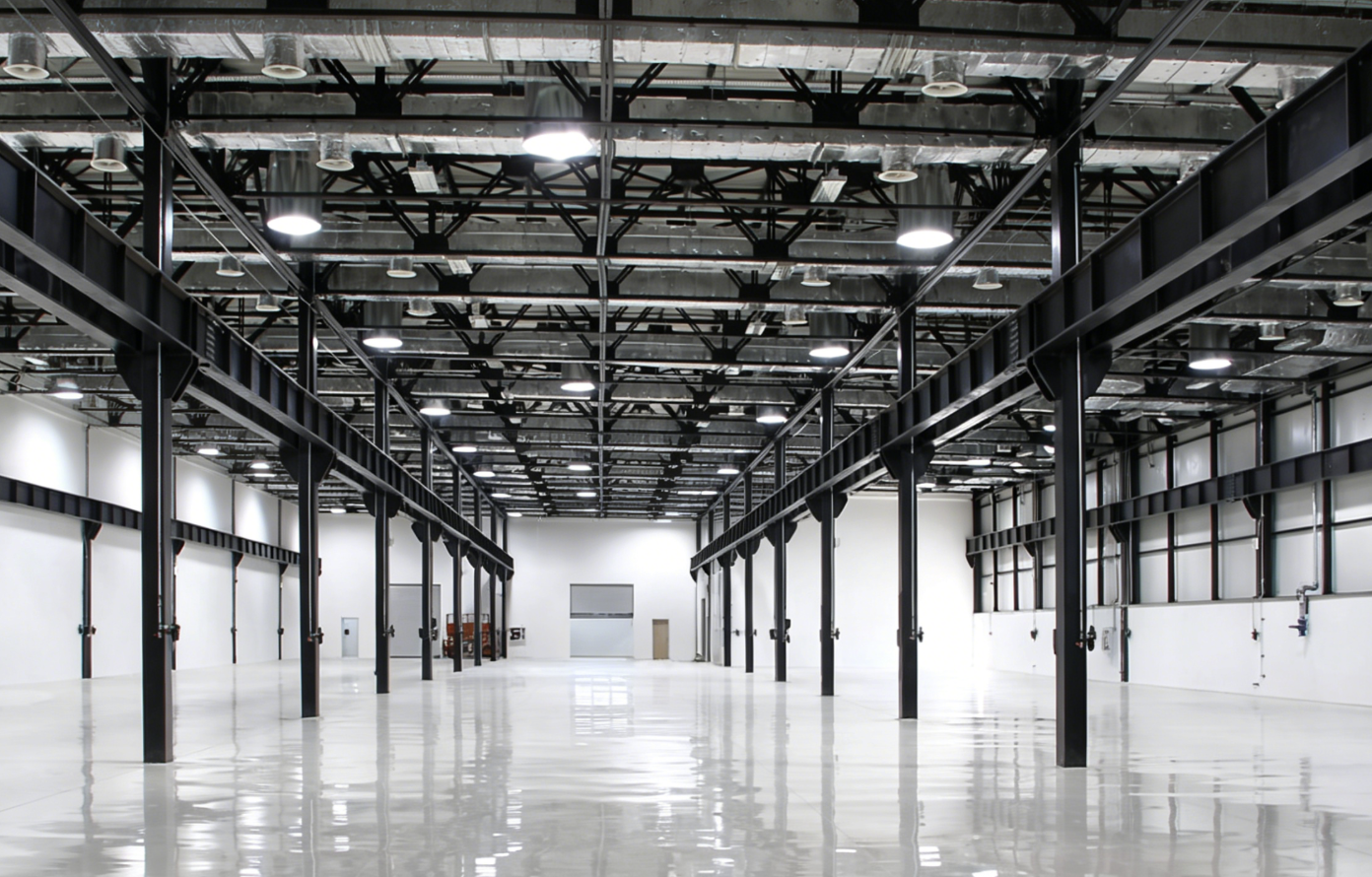
Factories, ports, warehouses, and construction sites often operate around the clock. Flood lights provide bright, wide-spread illumination that supports 24/7 operations. They are rugged and weatherproof, so they handle dust, rain, and harsh conditions. Adjustable mounting and powerful output make them ideal for large or irregular work areas.
| Area | Typical Features |
|---|---|
| Factories/Warehouses | High lumen output, energy-efficient LEDs |
| Ports | Corrosion-resistant, durable housing |
| Construction Sites | Adjustable beams, rugged build |
Flood lights are excellent for creating visual impact outdoors. They can illuminate building façades, monuments, and public landmarks. Landscapes, gardens, and parks also look stunning when highlighted using techniques like wall-washing, uplighting, or accent lighting. It’s not just decoration—they draw attention and make areas safer at night.
Key Uses:
Buildings and monuments
Parks, gardens, and open spaces
Accent lighting techniques: uplight, wall-wash
Concerts, festivals, and temporary outdoor events need flexible lighting. Portable flood lights allow easy setup, dimming, and even DMX control for dynamic effects. They help create atmosphere, guide crowds safely, and enhance performances. Energy-efficient LEDs mean long events stay bright without excessive power use.
Easy installation and portability
Dimmable and DMX-compatible
Safety and atmosphere for attendees
Many homeowners install flood lights to brighten backyards, driveways, and pathways. They also bring out landscaping, trees, or garden features beautifully. Modern LED flood lights provide both aesthetics and energy efficiency. They enhance outdoor spaces without huge electricity bills and require minimal maintenance.
Residential Applications:
Backyard and driveway illumination
Highlighting gardens, trees, and features
Energy-efficient LED options
Picking the perfect flood light depends on a few key points. First, brightness matters. Lumen output determines how far and wide it will illuminate. Bigger areas need higher lumens.
Next is the beam angle. Wide beams cover large spaces, while focused beams highlight specific areas.
Energy use is also crucial. LEDs save power and last longer than halogen or metal halide options. Durability matters too. Look for flood lights with proper IP ratings to resist rain, dust, and outdoor wear.
Quick Checklist:
Brightness: match lumens to area size
Beam angle: wide vs focused light
Energy: LED > halogen > metal halide
Durability: IP65 or higher for outdoor use
Flood lights come in different technologies, each serving a purpose.
| Type | Pros | Cons | Best For |
|---|---|---|---|
| LED | Energy-efficient, long-lasting, cool | Higher upfront cost | Residential, commercial, sports |
| Halogen | Bright, low initial cost | High energy use, hot | Temporary work sites, accents |
| Metal Halide/HPS | Intense, long-range | Energy-hungry, warm-up time | Large stadiums, ports, factories |
Where you mount your flood light affects performance. Options include wall-mounted, pole-mounted, or ground-mounted. Aim the light carefully to cover the intended area without creating glare. Safety comes first. Always check wiring, use weatherproof fixtures, and ensure secure mounting. Adjusting tilt angles helps prevent light spill and improves efficiency.
Position to maximize coverage, reduce shadows
Avoid shining into neighbors’ windows or streets
Use adjustable brackets for flexible aiming
Follow safety codes for outdoor electrical wiring
Flood lights are built to be durable, but regular maintenance ensures they shine bright and last longer. Exposure to dust, weather, and debris can reduce brightness or damage components over time. A few simple steps help keep them working efficiently.
Dust, dirt, and leaves can accumulate on the lens, dimming the light output. Use a soft cloth and mild soap solution to clean the surface gently. Avoid abrasive tools or harsh chemicals that may scratch or damage the LED. For large installations, a gentle rinse removes stubborn debris, but always make sure water doesn’t seep into the fixture.
Outdoor wiring can loosen or corrode over time. Periodically check all connections, plugs, and insulation. Motion sensors, timers, and smart controls should be tested too. Fix any exposed wires or damaged insulation immediately to maintain safety and energy efficiency.
Even LEDs produce some heat. Keep vents and heat sinks clear of debris to avoid overheating. Flickering or dimming often indicates a failing driver, power supply, or bulb. Regular testing ensures uniform brightness across the entire coverage area.
Wind, hail, or accidental impact can damage casings, brackets, or lenses. Inspect for cracks, corrosion, or misalignment. Make sure wall-mounted or pole-mounted lights are stable and properly angled to avoid glare or uneven illumination.
Extreme weather can affect flood light performance. Before winter or storm season, remove snow, leaves, or dirt buildup. After heavy rain, check for water ingress and ensure seals remain intact. Adjust timers, sensors, or beam direction as needed to maintain efficiency and safety.
Tip: Creating a simple checklist for cleaning, inspection, and testing every few months keeps flood lights reliable, energy-efficient, and visually appealing.
A: Yes, modern LED flood lights consume significantly less power than halogen or metal halide options while offering long-lasting performance.
A: Consider lumen output, beam angle, durability, IP rating, and whether LED, halogen, or metal halide suits your needs.
A: Absolutely. They illuminate driveways, gardens, yards, and pathways, enhancing aesthetics and safety at home.
A: Yes, they provide flexible, bright lighting for concerts, festivals, sports, and temporary gatherings.
A: Inspect, clean, and test your flood lights every few months to ensure brightness, safety, and energy efficiency.
Flood lights aren’t just about brightness—they’re about creating safer, more functional, and visually appealing spaces. From residential backyards to massive stadiums, they provide the flexibility and power modern lighting demands.
With Guangzhou Keou Lighting Co., Ltd., you can find flood light solutions that combine durability, energy efficiency, and smart controls. Explore their range to illuminate your property, enhance security, or elevate events—making every night brighter and every space safer.