Author: Huang Publish Time: 05-04-2026 Origin: Site


Are you torn between low voltage landscape lighting and high power flood lights? Choosing the right outdoor lighting can transform your space and enhance safety. In this article, we’ll explore the differences between these two lighting options. You’ll learn about their unique benefits and applications to make an informed decision.
Low voltage landscape lighting operates on a much safer voltage, typically 12 or 24 volts, compared to the standard 120 volts used in high voltage systems. This is achieved through a transformer that converts the higher voltage from your home’s electrical system to a lower, safer level. The transformer plays a critical role, ensuring that the lights can illuminate your outdoor spaces without the risk of electrical shock, making it a preferred choice for residential applications.
When the transformer steps down the voltage, the low voltage current is transmitted through specially designed wiring to various fixtures placed throughout the landscape. This setup allows homeowners to create a beautifully lit environment while maintaining safety, especially around children and pets. The design flexibility of low voltage systems also means that they can be installed in a variety of locations without the need for extensive electrical work.
The benefits of low voltage landscape lighting are numerous:
Energy Efficiency: Low voltage systems consume significantly less energy than their high voltage counterparts. This leads to lower electricity bills and a reduced carbon footprint, making them an environmentally friendly option.
Safety: The reduced voltage minimizes the risk of electrical shock, making it safer for families with children and pets. It can be used in wet conditions, as the lower voltage is less likely to cause harm.
Ease of Installation: Low voltage lighting is often easier to install and can be a DIY project for homeowners. It doesn’t require the same level of professional installation as high voltage systems, which often need licensed electricians.
Design Flexibility: There are various types of fixtures available, including path lights, spotlights, and uplights, allowing for creative lighting designs tailored to individual preferences and landscapes.
Low Maintenance: LED bulbs used in low voltage systems have a longer lifespan compared to traditional bulbs, resulting in fewer replacements and lower maintenance costs over time.
Low voltage landscape lighting is versatile and can be applied in various settings, including:
Pathways: Illuminating walkways and paths enhances safety and visibility, guiding guests through your garden or yard.
Garden Features: Spotlights can highlight trees, shrubs, and architectural features, drawing attention to the beauty of your landscape even at night.
Patios and Decks: Soft lighting can create a cozy ambiance for outdoor gatherings, making patios and decks more inviting.
Water Features: Low voltage lights can be used to illuminate ponds, fountains, or waterfalls, creating stunning visual effects and enhancing the overall landscape.
Security Lighting: While not as bright as high voltage options, low voltage systems can still provide adequate lighting for security purposes, deterring potential intruders.
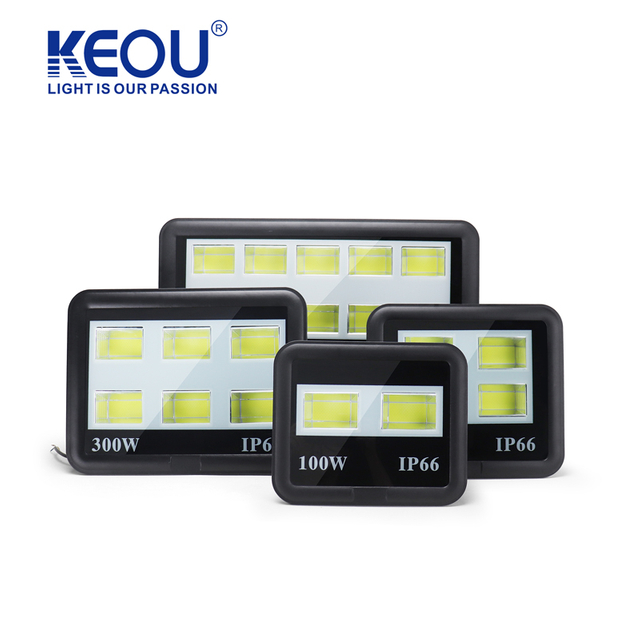
High power flood lights operate on standard electrical voltage, typically 120 volts. These lights are designed to provide bright illumination over large areas, making them ideal for commercial and industrial applications. The power source is directly connected to the mains, allowing for a strong and consistent light output.
The flood lights use high-intensity discharge (HID) bulbs or LED technology to produce a wide beam of light. The design of these fixtures allows them to cover expansive spaces, illuminating driveways, parking lots, sports fields, and other large outdoor areas. Flood lights often come equipped with adjustable mounting brackets, enabling users to direct the light where it’s needed most.
Brightness and Coverage: High power flood lights provide intense illumination, making them suitable for security and safety purposes. They can light up large areas effectively, ensuring visibility during nighttime.
Durability: Many high power flood lights are built to withstand harsh weather conditions. They often feature rugged housing and are designed to be water-resistant, making them suitable for outdoor use.
Versatility: These lights can be used in various settings, including commercial properties, sports facilities, and outdoor events. Their ability to illuminate wide spaces makes them a popular choice for venues requiring bright lighting.
Security Enhancement: The bright light produced by flood lights can deter potential intruders and enhance safety in poorly lit areas. This makes them a common choice for illuminating entry points and perimeters.
Ease of Control: High power flood lights can be easily integrated with timers, motion sensors, or dimmer switches, allowing for greater control over lighting conditions and energy consumption.
High power flood lights are used in a variety of applications, including:
Commercial Spaces: Retail stores and warehouses often use flood lights to ensure their premises are well-lit, enhancing security and visibility for customers and employees.
Sports Facilities: Stadiums and sports fields use high power flood lights to illuminate playing areas, allowing events to continue after sunset.
Outdoor Events: Concerts, festivals, and gatherings often require bright lighting to ensure safety and visibility for attendees.
Parking Lots: Flood lights are commonly installed in parking areas to provide adequate illumination, enhancing safety for drivers and pedestrians.
Construction Sites: High power flood lights are essential for construction sites, providing necessary lighting for workers during nighttime operations.
In summary, high power flood lights are an effective solution for providing bright and extensive illumination in various settings. Their durability, versatility, and security benefits make them a valuable choice for both commercial and residential applications.
When considering outdoor lighting, understanding the key differences between low voltage landscape lighting and high power flood lights is crucial. These two lighting systems serve different purposes and come with their own sets of advantages and disadvantages. Let's break down the main factors to consider: energy efficiency, installation requirements, and safety considerations.
Low voltage landscape lighting operates at either 12 or 24 volts, which makes it significantly more energy-efficient than high power flood lights that typically run on 120 volts. The lower voltage of the landscape lighting results in reduced energy consumption, which can lead to lower electricity bills and a smaller carbon footprint. In fact, many low voltage systems utilize LED technology, further enhancing their energy efficiency.
High power flood lights, while capable of producing intense illumination, consume more electricity. This increased energy usage can lead to higher operational costs over time, particularly in applications where the lights are used for extended periods, such as in commercial settings or during nighttime events.
Installation processes for low voltage landscape lighting are generally simpler and more flexible. Homeowners can often undertake the installation as a DIY project, especially since it doesn’t require extensive electrical work or permits. The system includes a transformer that reduces the voltage, and the wiring can often be laid without deep trenches. This flexibility allows for easy adjustments and modifications as landscaping changes over time.
Conversely, high power flood lights require professional installation by a licensed electrician. The installation process is more complex, often necessitating deeper trenches for wiring and adherence to strict building codes. This can result in higher upfront costs and longer installation times. Additionally, making changes or adjustments to the setup can be cumbersome due to the need for professional intervention.
Safety is a paramount concern when selecting outdoor lighting. Low voltage landscape lighting is inherently safer for residential use, as it poses a significantly lower risk of electrical shock. The reduced voltage makes it suitable for areas where children and pets are present, and it can even be used in wet conditions without posing a significant hazard.
High power flood lights, while effective for illuminating large areas, carry a higher risk of electrical shock, especially in damp environments. This makes them less suitable for residential applications where safety is a priority. The potential for accidents increases when these lights are installed near water features or in areas prone to moisture.
In summary, the differences between low voltage landscape lighting and high power flood lights are significant. Low voltage systems excel in energy efficiency, ease of installation, and safety, making them ideal for residential applications. High power flood lights, while powerful and effective for large areas, come with higher energy costs, complex installation requirements, and increased safety risks.
When it comes to outdoor lighting, understanding the cost implications of low voltage landscape lighting versus high power flood lights is crucial for making an informed decision. Each system has its own financial considerations, including initial costs, long-term operational expenses, and maintenance costs. Let's break down these factors to help you choose the best option for your needs.
The initial investment for low voltage landscape lighting is generally lower than that of high power flood lights. Low voltage systems typically require fewer fixtures and simpler installation processes, allowing homeowners to save on labor costs. The fixtures themselves are often more affordable, especially when opting for LED options, which are increasingly popular due to their energy efficiency and longevity.
In contrast, high power flood lights usually come with higher upfront costs. These systems often require professional installation by licensed electricians due to their complexity and adherence to safety standards. Additionally, the fixtures can be more expensive, particularly if you choose high-intensity discharge (HID) bulbs or specialized LED models designed for extensive coverage.
When considering long-term operational costs, low voltage landscape lighting proves to be more economical. Operating on 12 or 24 volts, these systems consume significantly less energy, leading to lower electricity bills. Many low voltage systems utilize LED technology, which further enhances energy efficiency and reduces overall operational costs.
On the other hand, high power flood lights operate on standard 120 volts, which results in higher energy consumption. This increased energy usage can lead to elevated electricity bills, particularly in applications where the lights are used for extended periods, such as in commercial settings or during nighttime events. Over time, these costs can add up, making low voltage systems a more financially sound choice for residential applications.
Maintenance costs can also vary significantly between the two systems. Low voltage landscape lighting typically requires less maintenance. LED bulbs have a longer lifespan than traditional bulbs, which means fewer replacements and lower overall maintenance expenses. Additionally, the simpler installation of low voltage systems allows homeowners to make adjustments or repairs without needing professional help.
Conversely, high power flood lights may incur higher maintenance costs due to their complexity. If a fixture fails or needs adjustment, it often requires professional assistance, which can be costly. Moreover, the bulbs used in high power flood lights may need to be replaced more frequently, adding to ongoing expenses.
In summary, when evaluating the cost aspects of low voltage landscape lighting versus high power flood lights, low voltage systems generally emerge as the more cost-effective choice. They offer lower initial investments, reduced long-term operational costs, and lower maintenance expenses, making them an attractive option for homeowners looking to enhance their outdoor spaces.
Low voltage landscape lighting offers remarkable flexibility in design and application. Because it operates at a lower voltage, it can be easily installed in various locations without the need for extensive electrical work. Homeowners can create unique lighting designs that highlight specific features of their landscapes, such as trees, pathways, and water features.
The variety of fixtures available for low voltage systems is impressive. From path lights that illuminate walkways to spotlights that draw attention to architectural elements, the options are extensive. This adaptability allows for creative configurations that can transform outdoor spaces into enchanting environments. Homeowners can also easily adjust the positioning of these lights as their landscaping evolves, making it a versatile choice for long-term use.
Moreover, low voltage lighting systems are typically less invasive during installation. They often require only shallow trenches for wiring, which minimizes disruption to existing landscapes. This ease of installation makes it a popular choice for DIY enthusiasts looking to enhance their outdoor spaces without hiring professionals.
High power flood lights, while powerful, tend to be more rigid in their design and installation. These lights are designed to provide bright illumination over large areas, making them ideal for commercial and industrial applications. However, their installation often requires professional assistance due to the complexity involved in connecting them to higher voltage power sources.
The fixtures for high power flood lights are generally bulkier and less versatile in terms of placement. They are typically mounted on poles or structures to maximize their coverage area, which can limit their integration into landscape designs. This lack of flexibility can be a drawback for residential applications where aesthetic considerations are paramount.
However, high power flood lights excel in situations where intense brightness is required, such as parking lots, sports fields, and security lighting. Their ability to illuminate vast areas with a single fixture makes them an effective solution for large-scale outdoor lighting needs.
Both low voltage landscape lighting and high power flood lights have their unique creative applications.
Low voltage lighting is perfect for creating ambiance in residential gardens. For instance, homeowners can use uplights to highlight the beauty of trees or shrubs, casting dramatic shadows and enhancing the evening atmosphere. Pathway lights can guide guests safely through gardens, while soft illumination can create cozy spots on patios or decks for evening gatherings.
On the other hand, high power flood lights are ideal for practical applications. They can illuminate large outdoor events, ensuring safety and visibility for attendees. In commercial settings, they provide security lighting that deters intruders by brightly lighting entry points and perimeters.
In summary, the choice between low voltage landscape lighting and high power flood lights depends on the specific needs and design goals of the outdoor space. Low voltage systems offer flexibility and creative design options, while high power flood lights deliver bright, extensive illumination for larger areas.
Tip: When planning your outdoor lighting design, consider combining both low voltage and high power flood lights to achieve a balance of aesthetic appeal and functional brightness tailored to your space.
When it comes to selecting the best lighting for your outdoor spaces, several key factors come into play. It’s essential to assess your specific needs and goals to ensure that you choose the right system—be it low voltage landscape lighting or high power flood lights. Here are some crucial steps to guide you through the decision-making process.
Start by evaluating the layout and characteristics of your outdoor area. Consider the following:
Size of the Area: Measure the dimensions of the space you want to illuminate. Larger areas may benefit from high power flood lights, while smaller spaces can be effectively lit with low voltage landscape lighting.
Features to Highlight: Identify any focal points in your landscape, such as trees, pathways, or architectural elements. Low voltage lighting can accentuate these features beautifully, while flood lights can provide broad illumination.
Safety Concerns: Think about safety when designing your outdoor lighting. Low voltage systems are generally safer for areas frequented by children and pets, whereas flood lights can enhance security in larger, darker spaces.
Next, clarify your lighting objectives. Are you looking to create an inviting atmosphere, enhance security, or both? Here are some considerations:
Aesthetic Appeal: If your primary goal is to beautify your landscape, low voltage landscape lighting is ideal. It provides softer, more ambient lighting that enhances the charm of your outdoor space.
Functional Lighting: For practical applications, such as illuminating driveways or parking lots, high power flood lights are more effective. They offer bright, extensive coverage for safety and visibility.
Combination of Both: Many homeowners find that a mix of both systems works best. For example, low voltage lights can highlight garden features while flood lights provide security around entry points.
If you’re unsure about your lighting choices, consulting with professionals can provide valuable insights. Here’s how to approach it:
Seek Expertise: Reach out to outdoor lighting specialists who can assess your space and recommend the best solutions tailored to your needs. They can also help you navigate the complexities of installation, especially for high power flood lights.
Consider Design Services: Many lighting companies offer design services to create a cohesive lighting plan. They can help you visualize how different lighting types will work together in your outdoor space.
Installation Guidance: Professionals can ensure that your lighting is installed safely and efficiently, adhering to local codes and regulations. This is particularly important for high voltage systems, which often require licensed electricians.
By carefully assessing your outdoor space, determining your lighting goals, and consulting with professionals, you can make an informed decision that enhances both the beauty and functionality of your outdoor environment.
In comparing low voltage landscape lighting and high power flood lights, several key differences emerge. Low voltage systems are energy-efficient, safer, and easier to install, making them ideal for residential use. High power flood lights provide intense illumination for larger areas but come with higher energy costs and complex installation needs. Ultimately, consider your outdoor space and lighting goals. Keou offers high-quality low voltage landscape lighting solutions that enhance safety and aesthetics, providing excellent value for homeowners.
A: The main difference lies in their voltage and intended use; low voltage landscape lighting operates at 12 or 24 volts for safety and efficiency, while high power flood lights use 120 volts for bright illumination over large areas.
A: Flood lights typically require professional installation due to their complexity, while low voltage landscape lighting can often be a DIY project, making it easier to set up.
A: Low voltage landscape lighting is safer, more energy-efficient, and offers greater design flexibility, making it ideal for residential applications compared to flood lights.
A: Flood lights provide intense illumination, enhancing visibility and deterring intruders in large outdoor areas, making them a popular choice for security lighting.
A: Flood lights generally have a higher initial cost due to professional installation and fixture prices, while low voltage landscape lighting tends to be more affordable overall.