Author: Huang Publish Time: 13-04-2026 Origin: Site


If you’re quoting commercial or industrial floodlighting, the choice between LED flood lights and halogen flood lights isn’t really about “brightness.” It’s about total cost of ownership, maintenance risk, and heat management—the things that turn into callbacks and warranty conversations later.
Below is a procurement-ready comparison you can use with customers, plus a checklist of what to request from any supplier before you commit.
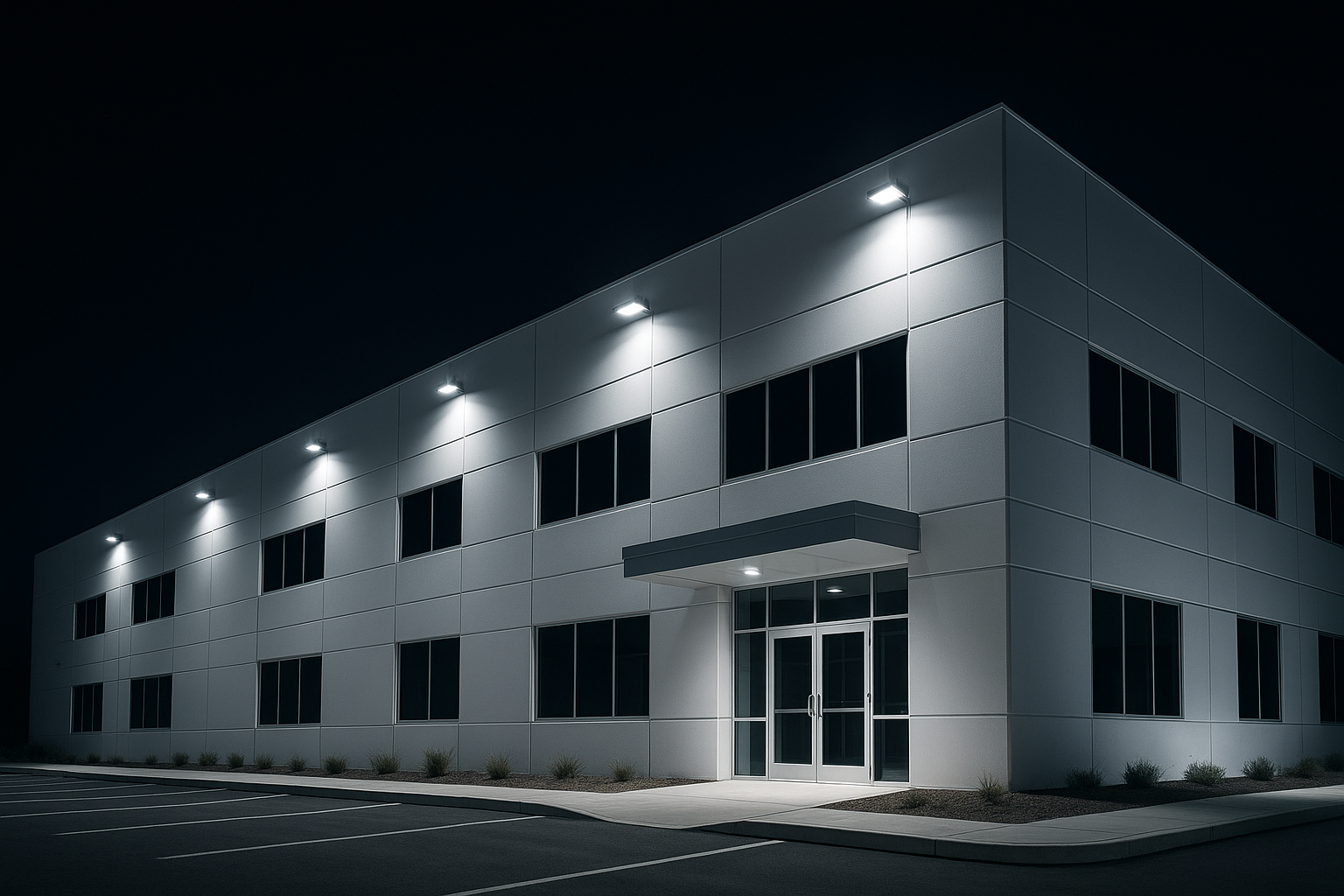
For most outdoor/commercial applications, LED flood lights are the safer decision: lower energy use, far longer service life, less heat, and fewer lamp changes.
Halogen still shows up in niche cases (very low upfront budget, specific dimming behavior, short duty cycles), but it’s rarely the best long-term choice for distributors supporting project bids.
Criteria | LED flood light | Halogen flood light |
|---|---|---|
Energy use (operating cost) | Much lower energy consumption for similar light output (often the #1 driver) | Higher energy consumption; more waste heat |
Service life & maintenance | Much longer lifetime; fewer replacements and truck rolls | Shorter lifetime; frequent relamping |
Heat & safety | Runs cooler; lower risk near sensitive materials | Runs hot; heat can become a safety/comfort issue |
Outdoor durability | Typically better vibration resistance (no filament); depends on luminaire design | Filament-based; generally more fragile |
Beam control | Good optics are common; depends on lens/reflector design | Works, but less flexible than modern LED optics in many fixtures |
Controls/dimming | Works well when driver + dimming protocol are matched | Often straightforward on legacy dimmers; still needs compatibility check |
Upfront cost | Higher initial cost in many cases | Lower initial cost |
Best fit | Long operating hours, hard-to-access installs, energy-sensitive projects | Short-run use, legacy systems, ultra-low upfront budgets |
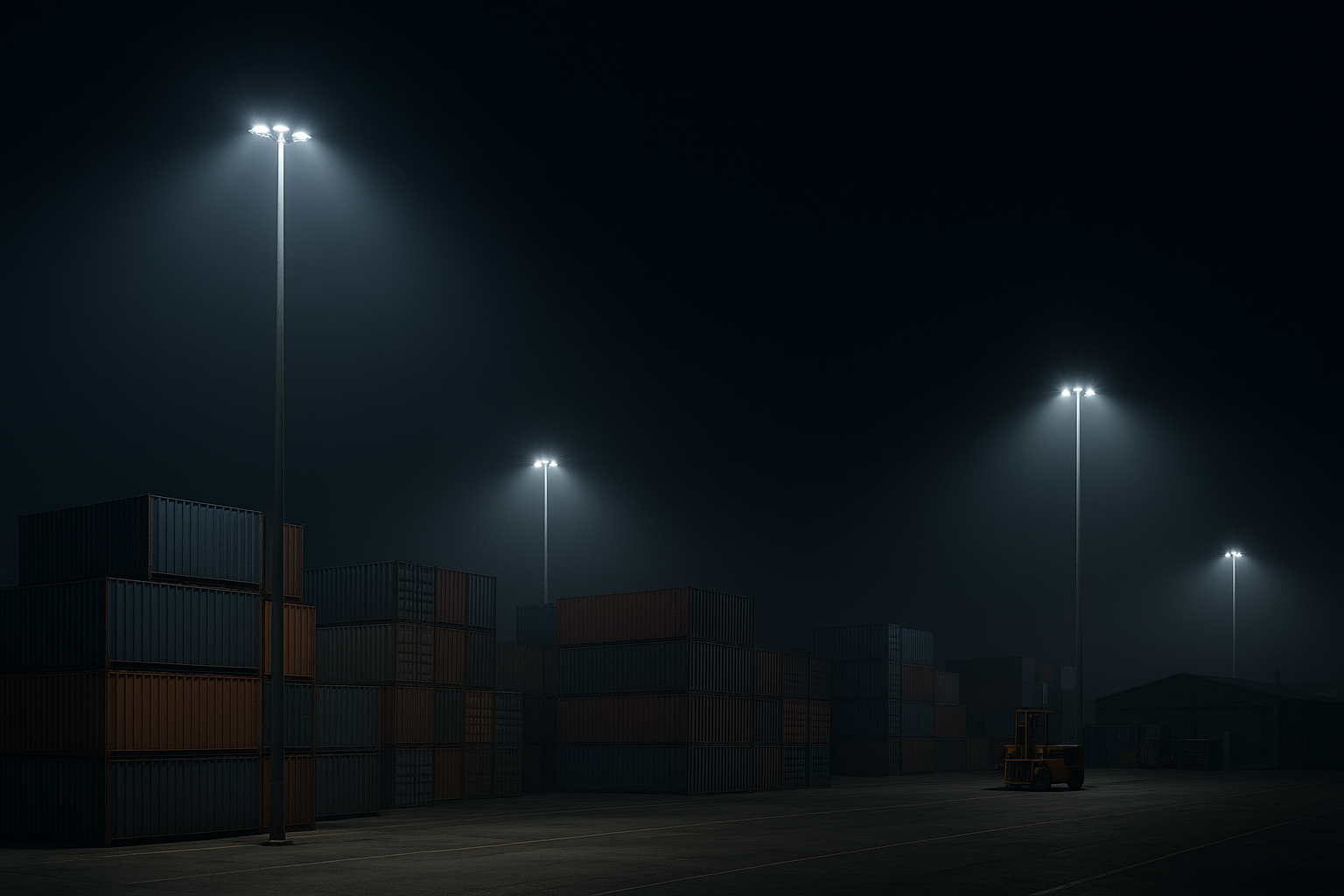
If your customer runs floodlights long hours (yards, facades, logistics areas), energy spend is part of the decision—even when the project “just needs to pass inspection.”
A useful baseline from the U.S. Department of Energy: LEDs can use up to 90% less energy and last up to 25 times longer than traditional incandescent bulbs (halogen is a type of incandescent). That’s why the higher upfront cost often pays back quickly in real installations. (Source: https://www.energy.gov/energysaver/lighting-choices-save-you-money)
Distributor takeaway: For bid packages, ask suppliers for the system wattage and expected annual operating hours assumptions. Then compare total kWh—not just fixture price.
In project work, “lamp replacement” includes:
labor (often at height)
access equipment
site coordination and downtime
return/claim handling
LED flood lights typically win because you replace the light source far less frequently.
Distributor takeaway: If the install will be hard to access (warehouses, high masts, stadium perimeters), make maintenance a first-class criterion. Your customer will remember who helped them avoid service calls.
Halogen flood lights run hot. That heat can be a problem near:
signage materials
awnings or architectural elements
enclosed housings
areas where people can touch the fixture
LED flood lights generally run cooler, which reduces safety concerns and can simplify placement.
Distributor takeaway: If the application is close to surfaces or people, heat becomes a spec conversation, not an afterthought.
Many “bad lighting” complaints are actually optics problems:
hot spots
glare
dark zones
spill light onto unwanted areas
Whether LED or halogen, require a coverage plan. For LED specifically, a supplier should be able to support:
beam angle options (narrow / medium / wide)
mounting height guidance
photometric files for design validation (when applicable)
If you want a practical way to discuss beam selection with buyers, you can also reference KEOU’s flood light resources and product categories here:
KEOU flood light hub: https://www.keouled.com/flood-light
This is where halogen can look deceptively simple: many legacy dimmers behave predictably with halogen loads.
With LED, performance depends on the driver and the dimming/control protocol.
Distributor takeaway: In the quote stage, ask the customer (or EPC) one question early:
“What control method is required—on/off only, 0–10V, DALI, motion sensors, photocell?”
Then only quote LED flood lights that explicitly support it.
Outdoor floodlights live or die by:
ingress protection (water/dust)
gasket quality
cable entry sealing
thermal management
coating/corrosion resistance (especially in coastal or industrial zones)
Don’t assume. Ask for documentation.
Distributor takeaway: Even if you don’t need every certificate for every project, you do need supplier discipline: consistent BOM, stable drivers, and repeatable QC.
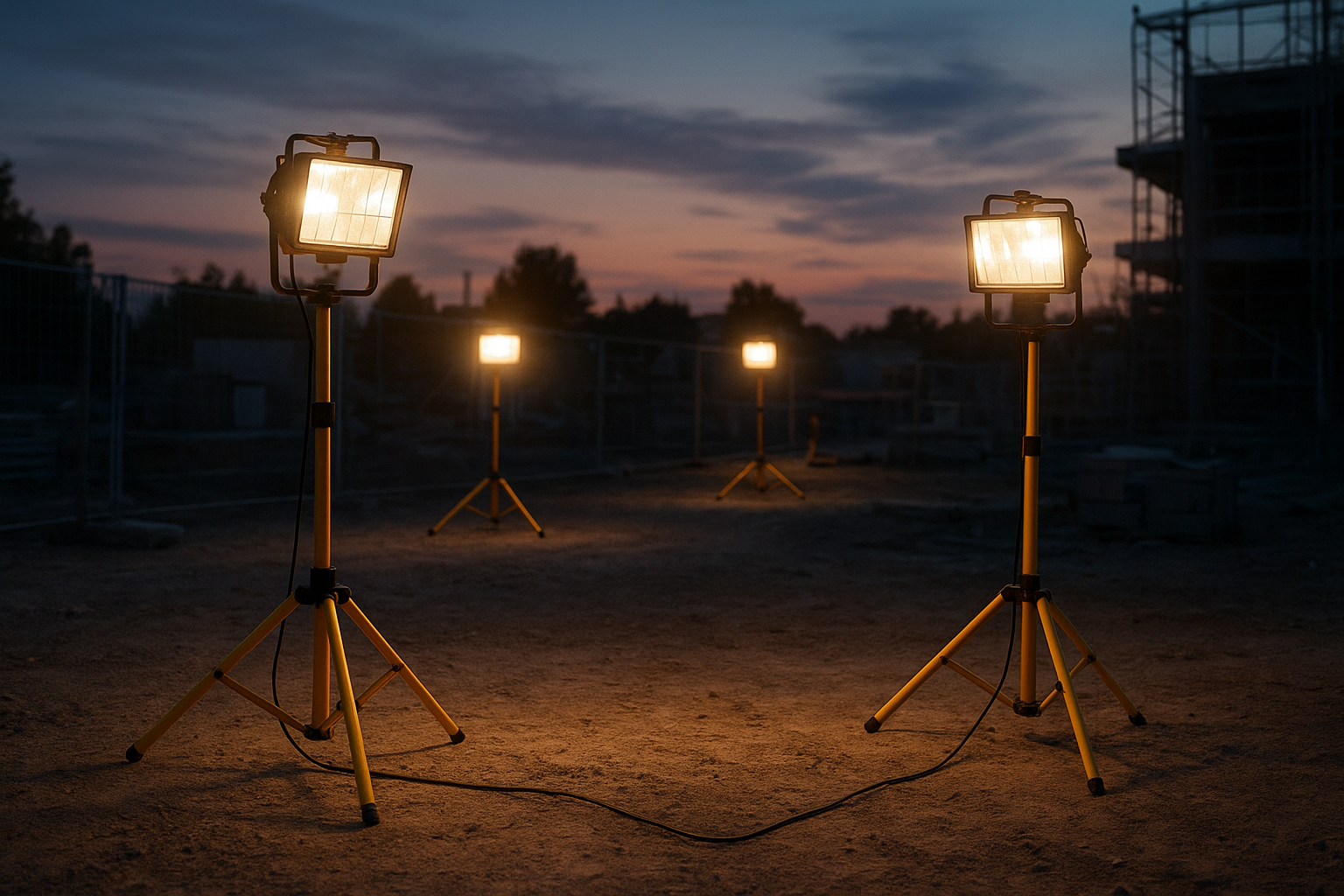
Halogen flood lights can make sense when:
the installation is temporary and duty cycle is low
upfront budget is extremely constrained
the system is tied to legacy dimming that is expensive to retrofit
Even then, many buyers still choose LED once they see maintenance and energy costs.
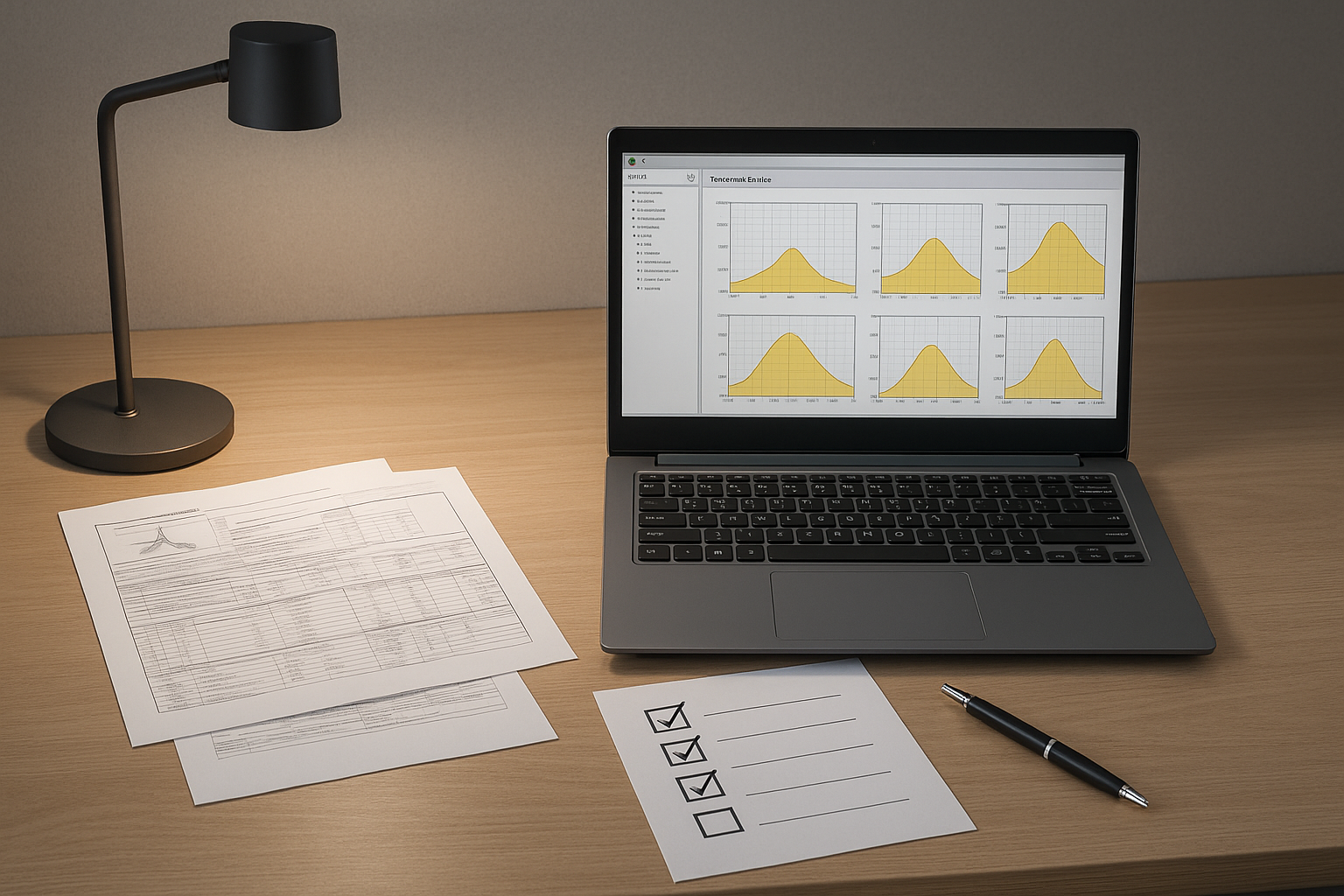
Use this list to reduce risk and speed up approvals:
Photometric data (IES files) or lighting layout support (when required)
Electrical specs: input voltage range, frequency, power factor (as applicable)
Dimming/controls compatibility statement (0–10V / DALI / photocell / sensor)
Ingress protection rating documentation (model-specific)
Thermal design notes (heatsink material, driver placement, operating temp range)
Packaging and shipment protection details (reduces damage returns)
Lead time and sample lead time
MOQ policy for standard vs customized variants
After-sales process (DOA handling, spare parts availability)
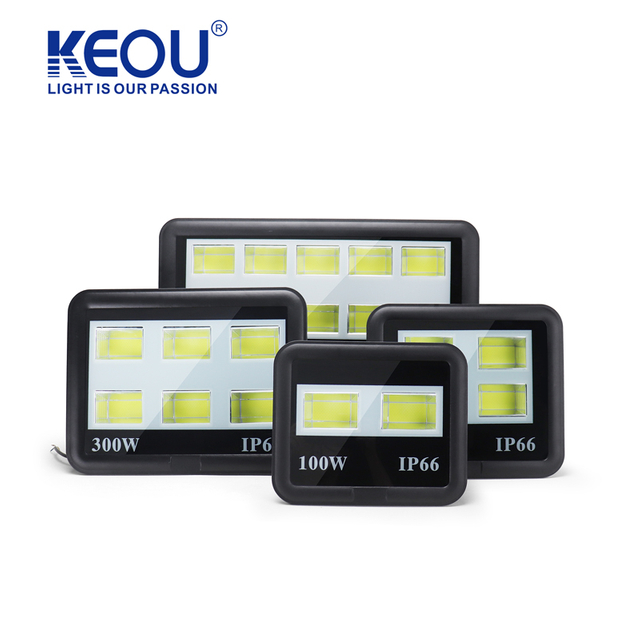
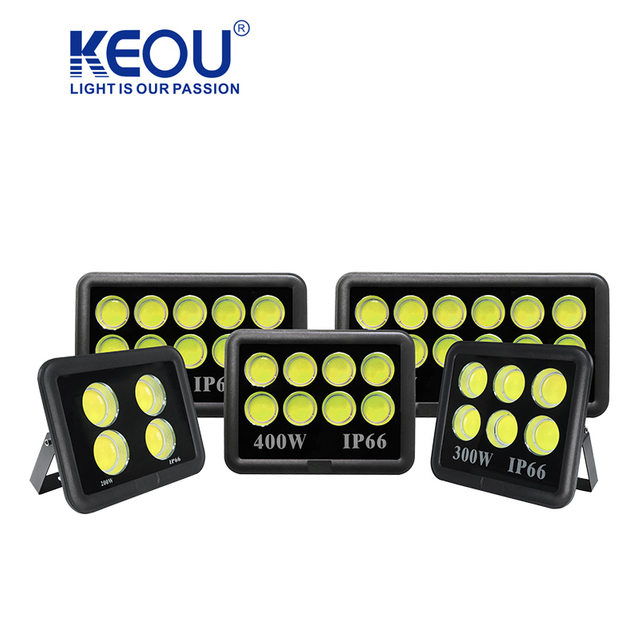
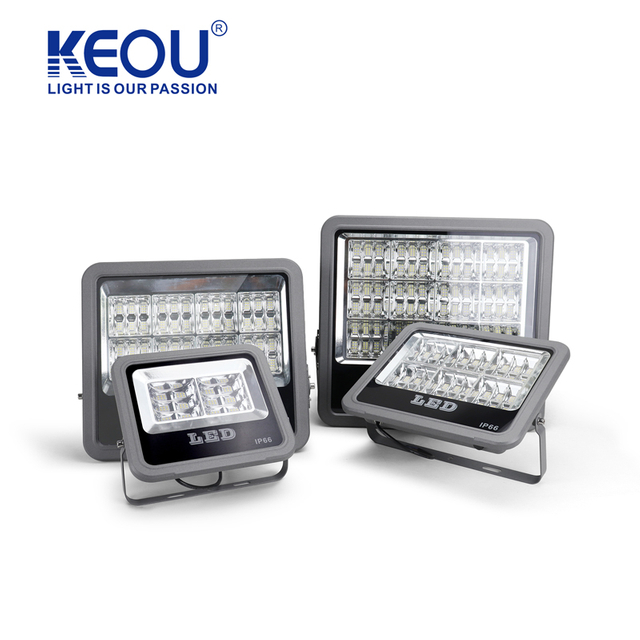
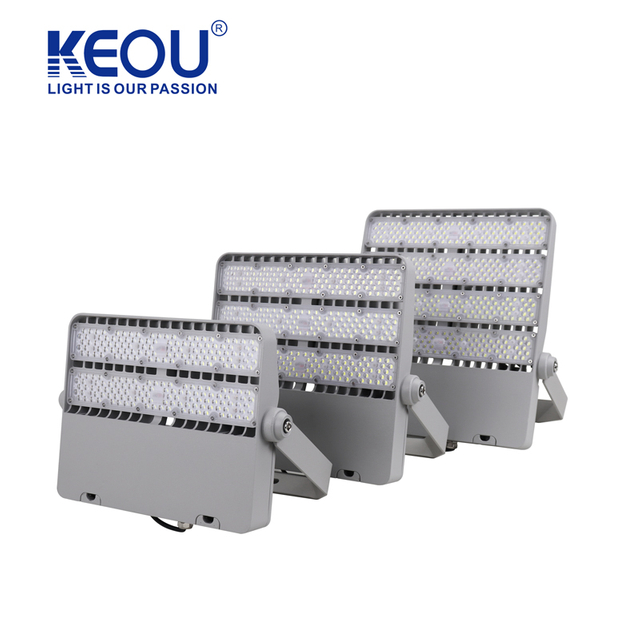
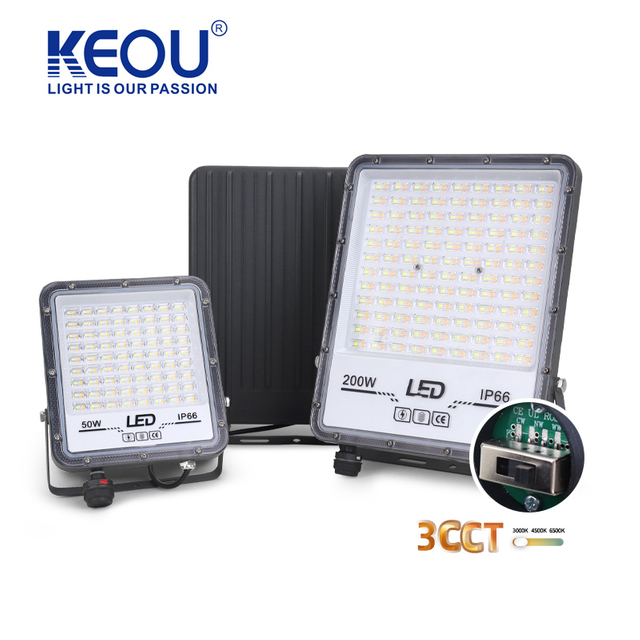
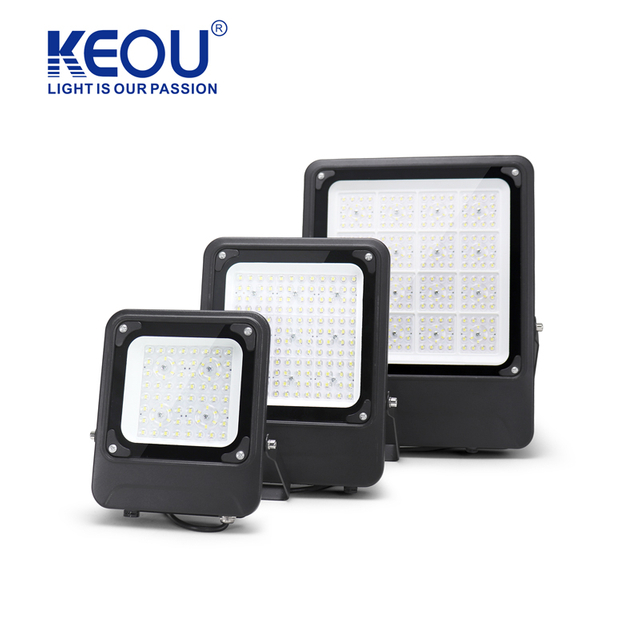
If your customer is moving away from halogen, KEOU Lighting can support LED flood light sourcing across multiple product directions (DOB/SMD/COB families) and outdoor-oriented variants. Start here:
Flood light overview: https://www.keouled.com/flood-light
Commercial exterior flood lights: https://www.keouled.com/commercial-exterior-led-flood-lights
High power COB flood light: https://www.keouled.com/high-power-cob-flood-light
IP66 outdoor flood light options: https://www.keouled.com/ip66-50w-600w-outside-flood-light
(Exact specs, certifications, and warranty terms should be confirmed per model and destination market.)
If you’re specifying for a commercial project with meaningful operating hours—or you’re responsible for reducing maintenance callbacks—LED flood lights are the safer default.
Next step: Send your project BOM (or target wattage/beam coverage + installation photos) and we’ll help match a flood light option, confirm control compatibility, and turn it into a quote package.
Source cited: U.S. Department of Energy — Lighting Choices to Save You Money: https://www.energy.gov/energysaver/lighting-choices-save-you-money