Author: Huang Publish Time: 18-04-2026 Origin: Site


Below is a decision-stage comparison of aluminum vs plastic vs steel housings, including plastic vs aluminum light fixture housing tradeoffs, written for distributors and project buyers who need predictable performance, consistent QC, and documentation they can use in bids.
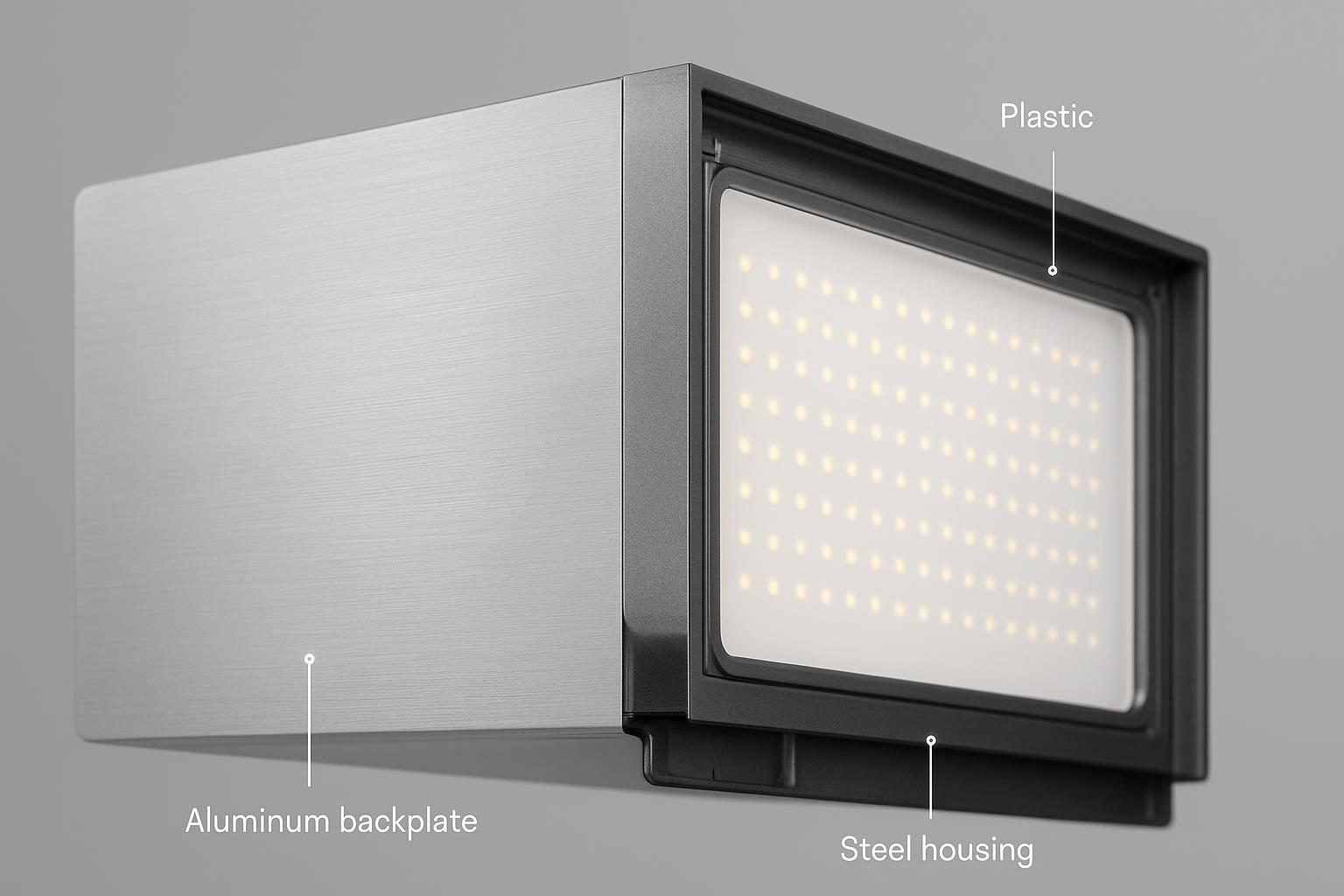
Decision factor | Aluminum housing | Plastic housing | Steel housing |
|---|---|---|---|
Thermal management (heat out of LEDs + driver) | Strong when designed well; enables effective heat-sink geometries | Weak unless power is low or thermal design is oversized | Moderate but depends heavily on design; stainless steel is notably poorer than aluminum |
Corrosion risk | Good with proper coating + fasteners; watch galvanic corrosion | No rust; UV aging can be the bigger problem | Requires coating discipline; corrosion is a real failure mode without it |
Safety & grounding | Metal grounding is straightforward; good fire resistance | Insulating material; grounding strategy needs extra attention | Metal grounding is straightforward; good fire resistance |
Impact / shipping robustness | Durable; can dent depending on thickness | Light but can crack, especially when cold | Strong but heavy; dents less easily |
UV + appearance stability | Stable finish with quality coating | Can yellow/chalk over time if not UV-stabilized | Stable if coating holds; rust stains if coating fails |
Weight & installation | Lighter than steel; solid feel | Lightest | Heaviest |
Best-fit use cases | Higher power, poor airflow, demanding duty cycles (common in floodlights) | Budget, low-power, indoor-only, controlled environments | Low-power indoor, where cost and rigidity matter and coatings are controlled |
Pro Tip: Don’t judge housing material alone. Ask for the thermal path details: LED board type (e.g., MCPCB), interface materials, and where heat actually exits the luminaire. The housing is only one part of the system.
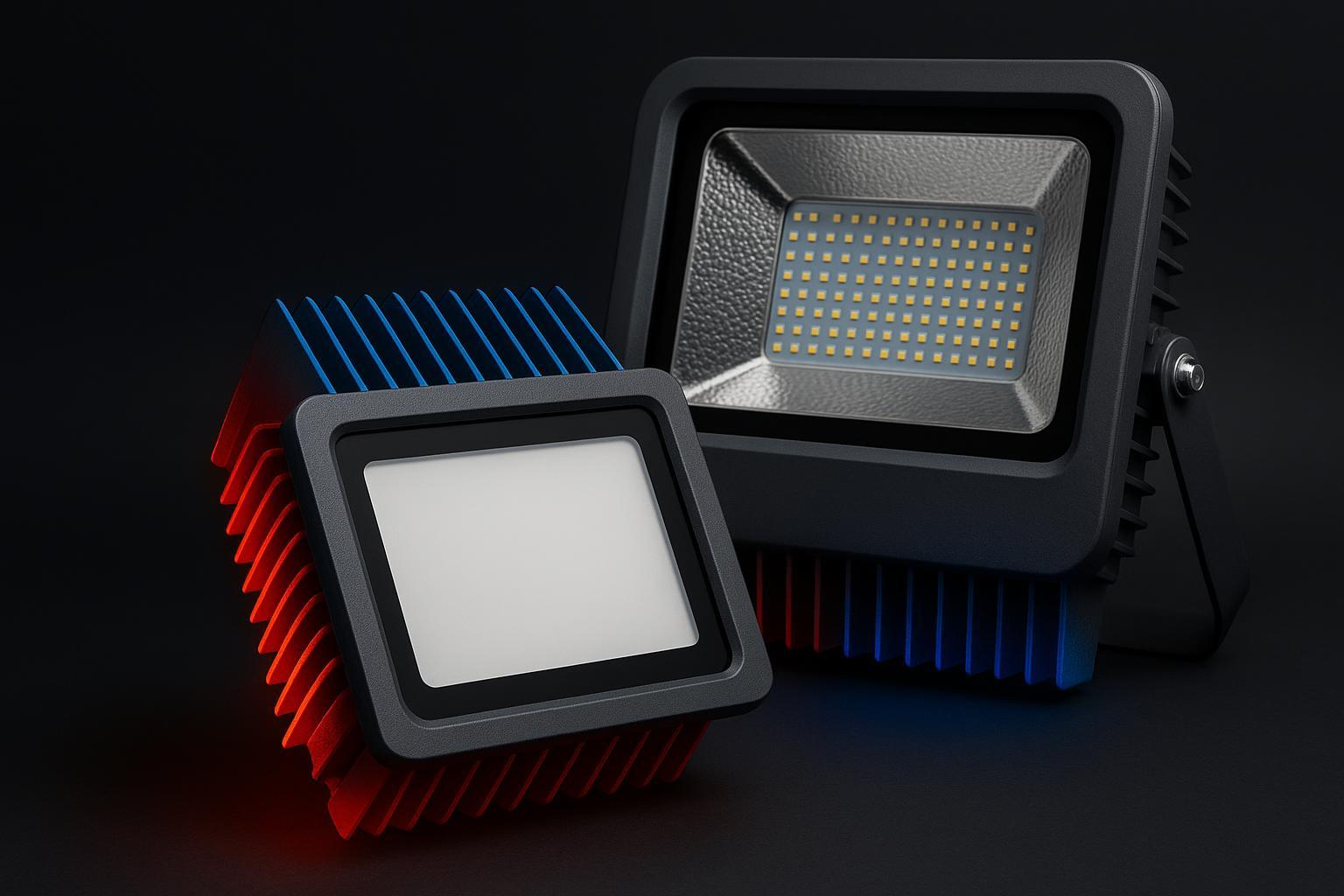
This is the core of an aluminum LED light housing decision: keeping LED and driver temperatures under control over the full duty cycle.
LEDs are efficient, but they still generate heat. When junction temperature rises, efficiency drops and degradation accelerates. A practical way to think about housings is: how reliably do they move heat away from the LED board and driver, into the surrounding air?
Engineering guidance like SimScale’s LED heat dissipation guide (updated 2026) breaks thermal performance into four levers: material, interfaces, geometry, and airflow. Housing material matters most when you’re pushing higher power densities or dealing with poor airflow.
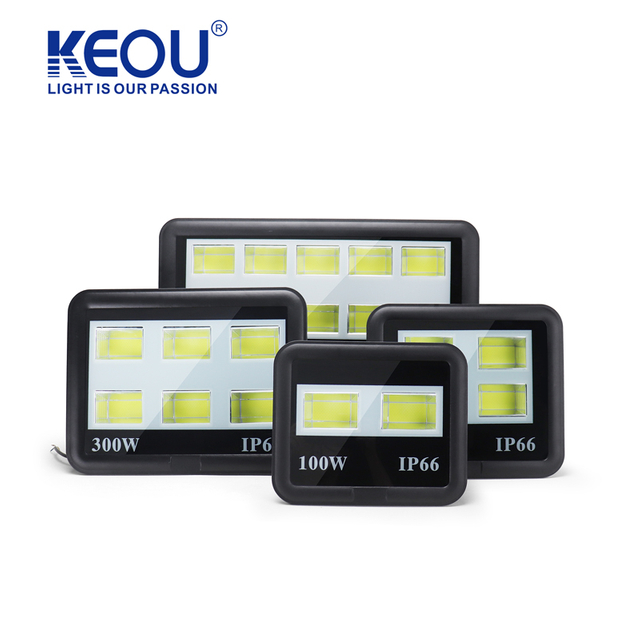
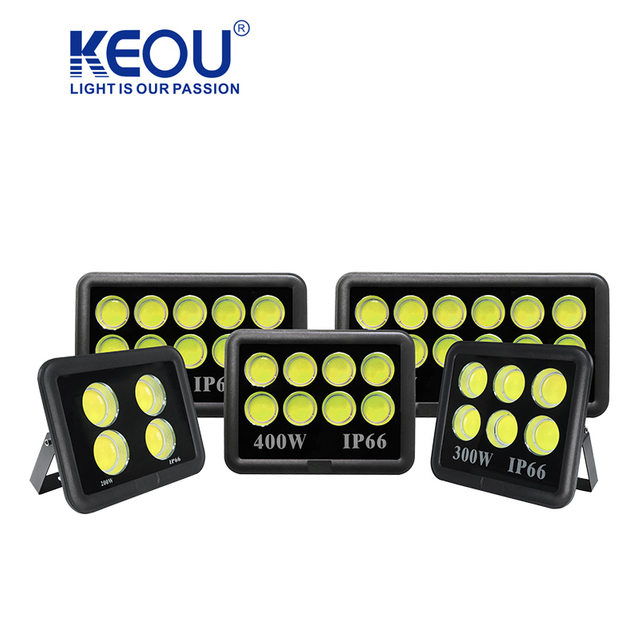
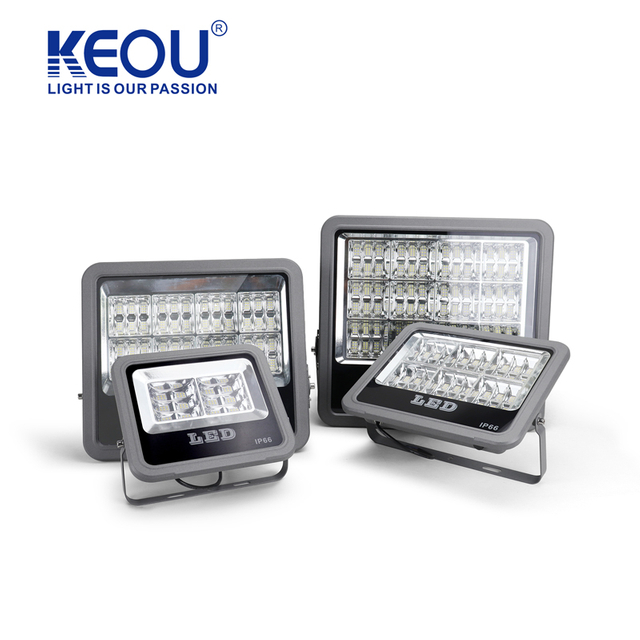
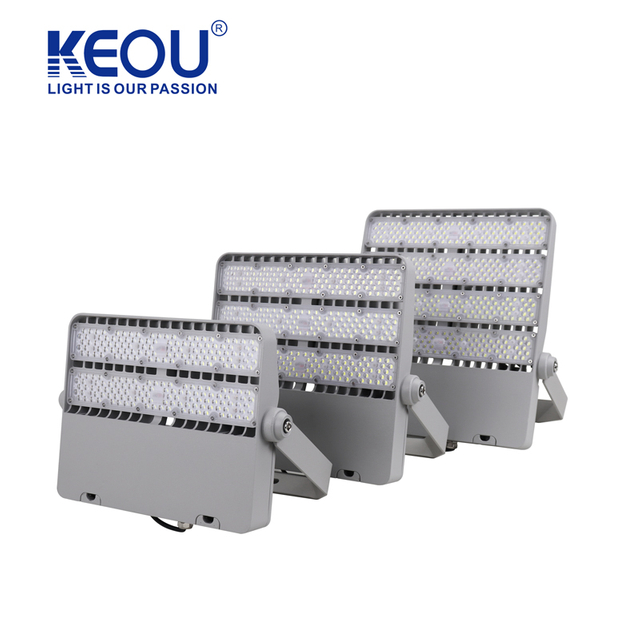
Aluminum supports extrusion and die-cast aluminum LED floodlight housing designs that build surface area (fins, ribs, thicker backplates) to move heat out reliably. That’s one reason aluminum is common in floodlights and higher-output luminaires.
What to verify on samples or drawings
Is there a clear, continuous thermal path from the LED board to the housing backplate?
Is a thermal interface material used properly (not dry contact with air gaps)?
Is the driver thermally isolated from the hottest zone, or sitting in it?
Plastics can work for low-power indoor fixtures, but heat-handling is the typical limitation. If the design relies on plastic as the primary heat path, you’re taking a higher risk on lifetime and lumen maintenance—especially in hot ceilings or in applications that run long hours.
What to verify
Is there an internal aluminum plate or heat spreader doing the real heat work?
Is the luminaire derated at higher ambient temperatures?
A steel housing LED luminaire can be mechanically strong, but as a thermal strategy it often needs help (separate heatsinks, spreaders, or heavier sections). If a supplier offers steel as a “premium” material, your technical review should focus on how they compensate for heat.
What to verify
Is the LED board mounted to an aluminum spreader even if the outer shell is steel?
Is corrosion protection done without insulating the heat path?
South Africa includes harsh coastal conditions (salt-laden air) and also hot inland climates. Material choice interacts with coating quality, sealing design, and fastener selection.
Aluminum can perform well outdoors and in humid environments when coatings and fasteners are specified correctly. The failure mode isn’t “aluminum rusting”—it’s usually coating breakdown, galvanic corrosion at joints/fasteners, or moisture getting where it shouldn’t.
Practical checks:
Ask what surface treatment is used (powder coat / anodize) and what test evidence exists.
Check fasteners and interfaces: mixed metals need isolation washers/gaskets in salty or persistently damp environments.
Steel is fine when coatings are controlled and maintained. But if the coating system is thin, inconsistent, or damaged in transit, corrosion can start at edges, screw points, and cable entries.
Practical checks:
Inspect edges and screw points on a sample.
Ask about coating thickness and pre-treatment process.
Plastic doesn’t rust, which is a real plus. But for outdoor use you need confidence in UV stability and long-term mechanical integrity.
Practical checks:
Ask if the material is UV-stabilized and what aging tests were run.
Check that cable glands and seals don’t deform under heat.
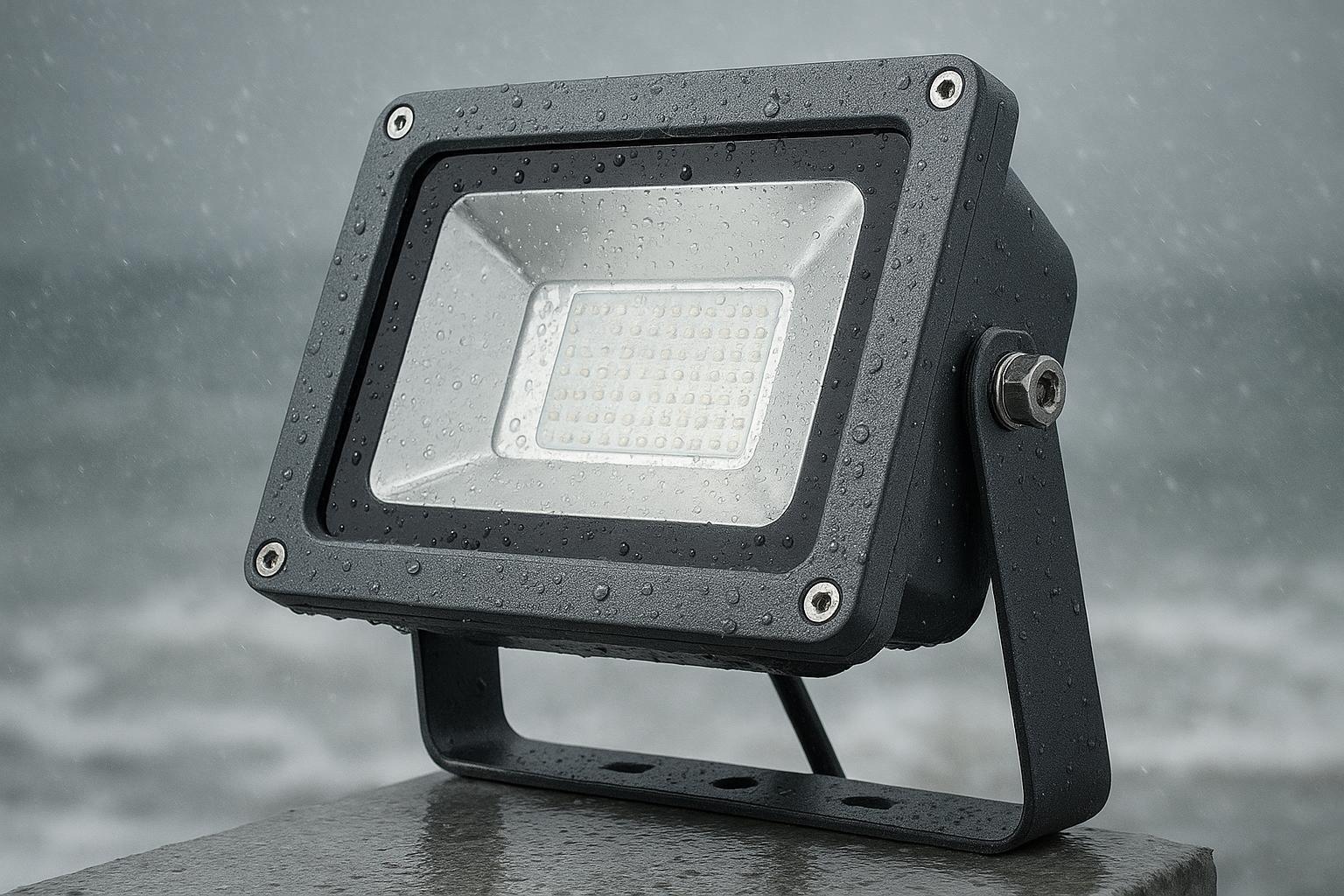
For decision-stage projects, buyers tend to care about predictable electrical safety during installation and over years of service.
A practical baseline: metal enclosures can be grounded and are inherently fire-resistant, while plastic enclosures have lower heat resistance and require additional grounding techniques for safety. That’s consistent with Arani’s comparison of metal vs plastic electrical enclosures.
What this means in procurement terms:
If you choose plastic housings, ask the supplier to document the grounding approach and heat-rated materials used around the driver.
If you choose metal housings, confirm grounding points, cable strain relief, and how the design prevents moisture ingress.
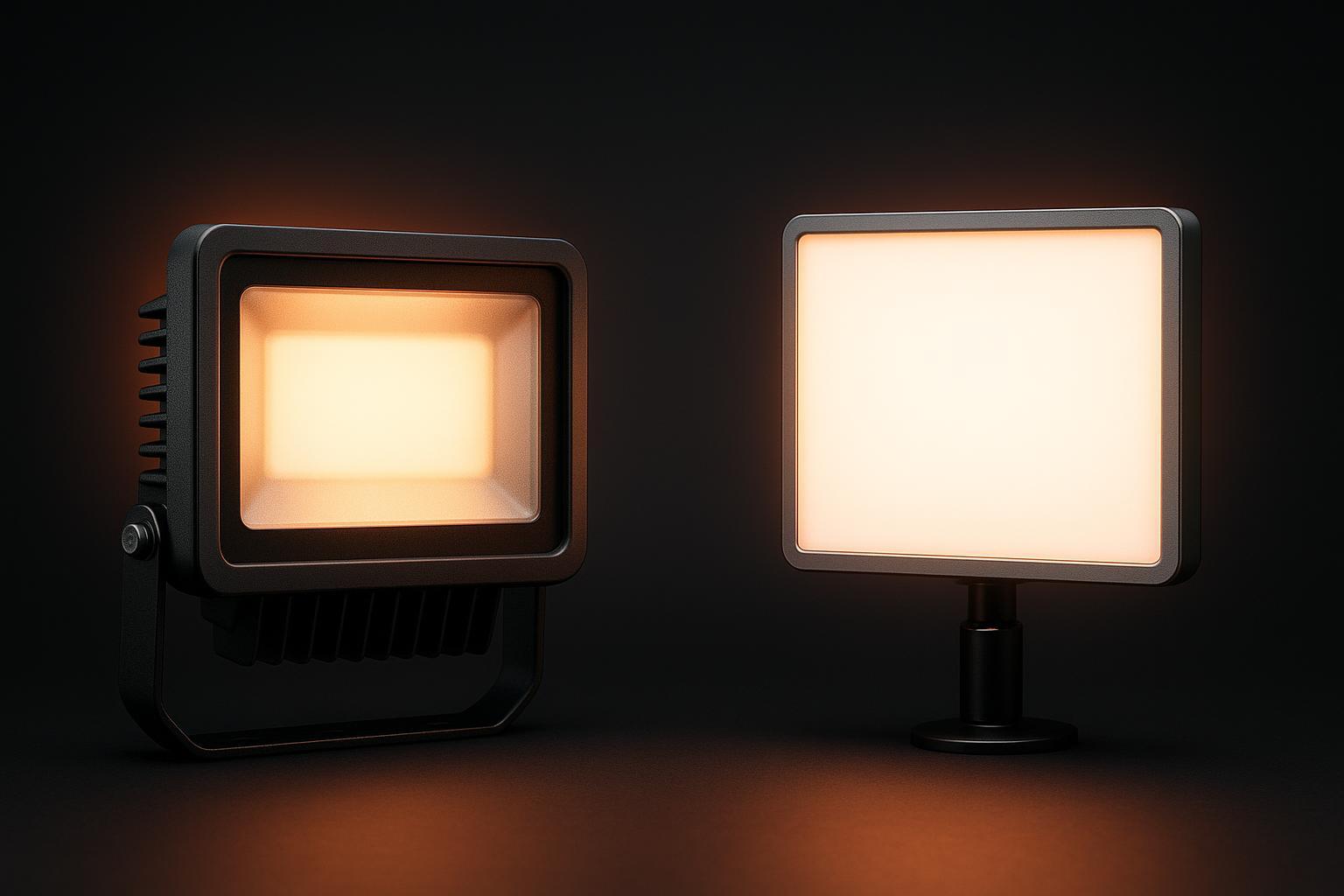
Panel lights often live indoors, but they still get damaged in handling and retrofit work. Cracks at mounting points, warping near the driver, and yellowing diffusers are common “cheap build” signals.
Floodlights are more exposed: sun, rain, dust, and the occasional impact. For these, aluminum and steel tend to hold shape better over time, while plastic’s risk is UV-driven brittleness or deformation—unless the design is explicitly engineered for it.
Plastic is the easiest to ship and handle, but can be less forgiving if installers over-tighten screws or if mounting points are thin.
Steel is robust but heavy; on larger floodlights, weight increases installation friction and bracket stress.
Aluminum typically sits in the best middle ground: rigid enough for a premium feel, lighter than steel, and friendly to heat-sink design.
If your spec calls for high consistency across batches, you’re not just choosing a material—you’re choosing a manufacturing process.
Die-cast aluminum enables integrated shapes (ribs, bosses, sealing features) and repeatable thermal surfaces.
Stamped steel is great for thin shells and brackets, but thermal management often needs separate parts.
Injection-molded plastic enables complex shapes cheaply, but the design must account for heat and long-term aging.
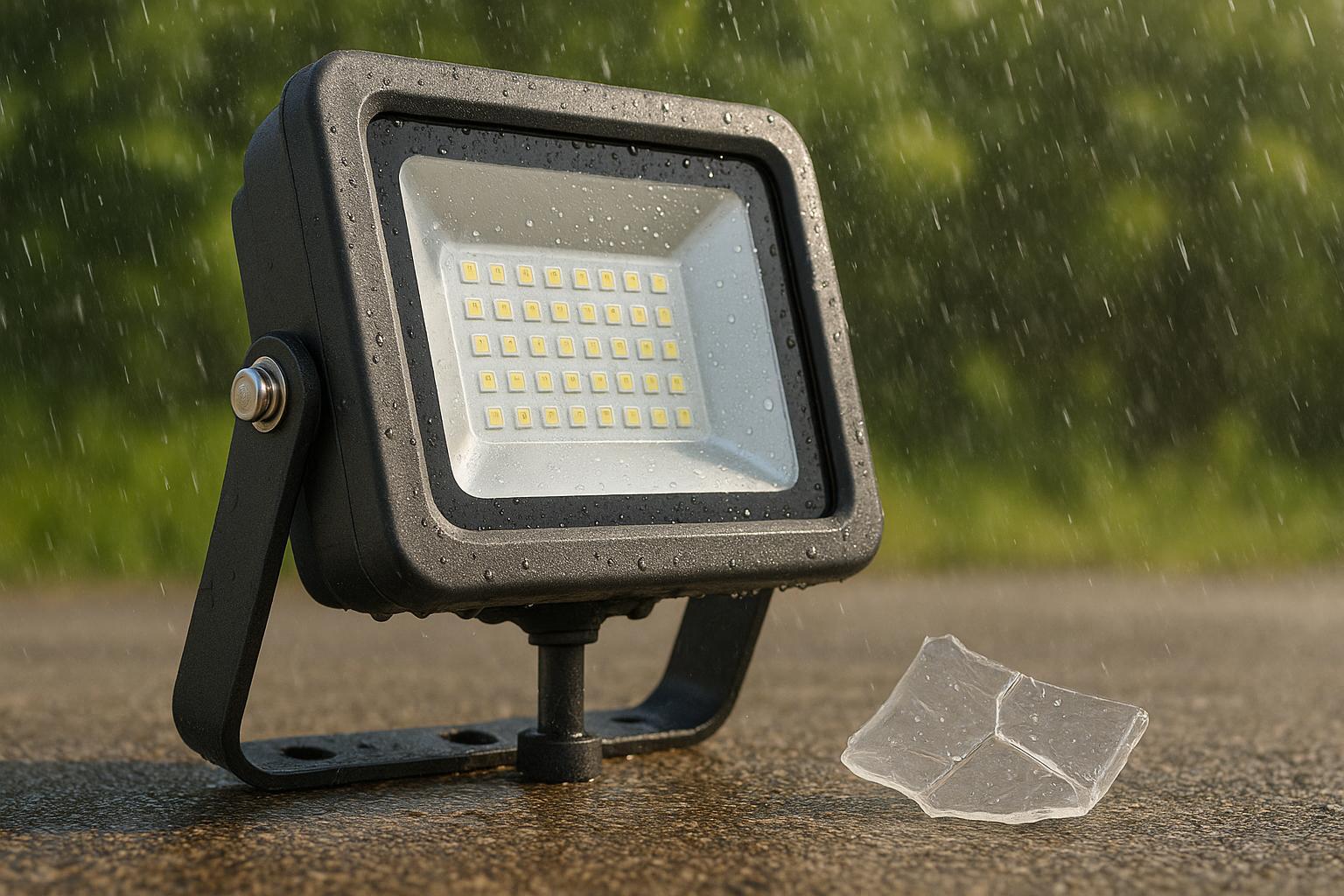
If you only remember one thing:
Floodlights often run higher power densities and harsher duty cycles. Thermal management and sealing dominate; aluminum (often die-cast) is frequently the safer choice.
Panel lights can be lower power and indoor, but can suffer from trapped heat in ceilings and poor airflow. An LED panel light aluminum backplate can materially reduce risk—if the thermal path is engineered correctly.
If you need a surface-mounted panel that keeps heat under control and reduces installation time, the KEOU MB026 surface-mounted frameless LED panel light is a practical option to shortlist. It pairs a heavy-duty aluminum back panel (a clear thermal path) with an integrated 2-in-1 driver + mounting mechanism, so installers don’t need extra brackets or accessories.
Integrated 2-in-1 driver and mounting design: the driver and fixing structure are built together, which simplifies inventory and reduces parts that can go missing on site.
Selectable CCT via a 3-in-1 DIP smart driver: supports multiple color temperature options, letting one SKU cover more project needs.
Space-efficient driver sizing: a more compact driver footprint can reduce shipping volume and storage burden for distributors.
Low-profile, clean look: the driver and luminaire are co-designed for a slim, understated appearance that blends into most interior ceilings.
Heavy-duty aluminum back panel benefits: faster heat dissipation (helps slow lumen depreciation), improved rigidity (less warping over time), and better protection against moisture, dust, and minor impacts.
Fix the driver: position the driver at the ceiling location, choose the correct hole size based on cable diameter, then secure it by driving screws through the driver slots.
Complete assembly: match polarity, align the luminaire with the driver, and rotate 90° to lock in place—installation can be completed in seconds.
24W: Ø180×47 mm, 2400 lm
36W: Ø225×46 mm, 3600 lm
48W: Ø280×53 mm, 4800 lm
Input voltage: 110–265V
CRI: Ra≥80
Multiple CCT options
If you want to shortlist housing choices for your next SA bid, send:
your BOM or target wattage/beam/installation constraints
indoor vs outdoor environment notes (including coastal humidity or dust)
We’ll map the housing material (and finish) to your duty cycle and provide a spec-aligned recommendation, plus samples where appropriate.