Author: Site Editor Publish Time: 07-07-2026 Origin: Site


Have you ever wondered how flood lights transform dark spaces into safe, vibrant environments? Flood lighting is essential in urban areas, enhancing visibility and security. In this article, we'll explore the different types of flood lights, focusing on the benefits of LED technology and its applications in various settings.
Flood lights come in various types, each designed for specific applications and environments. Understanding these types helps in selecting the right lighting solution for your needs.
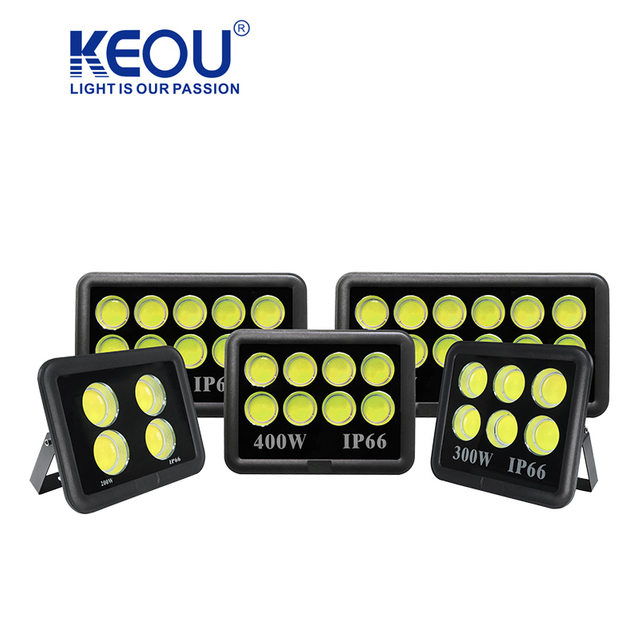
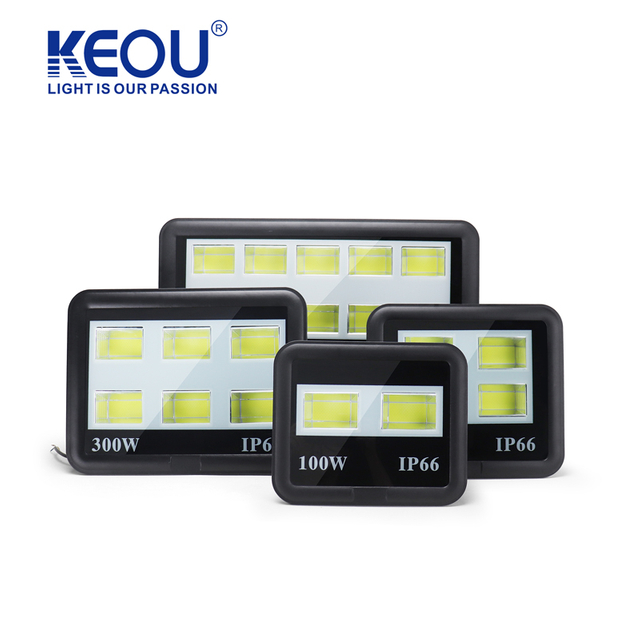
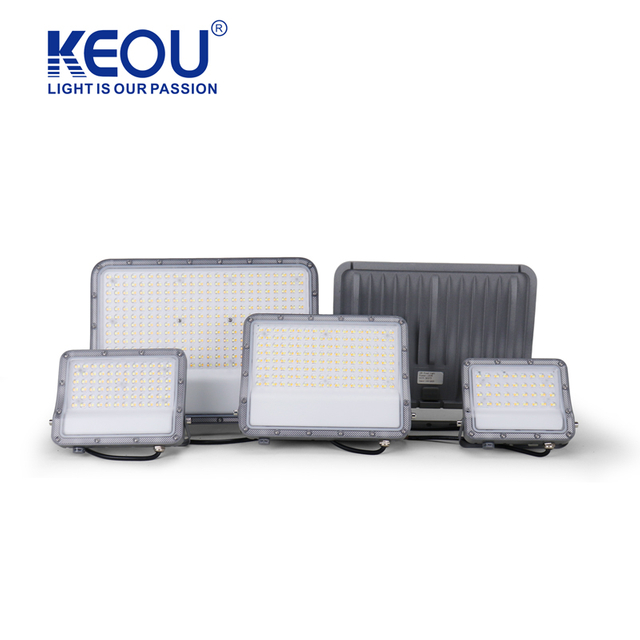
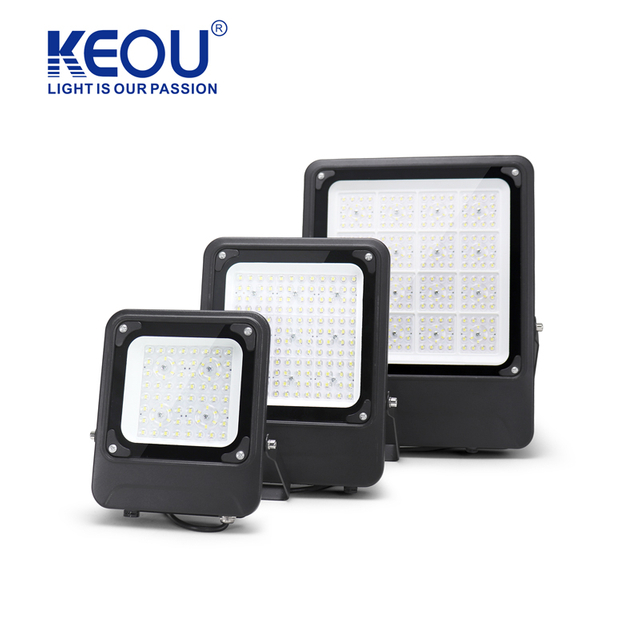
LED flood lights are gaining popularity due to their energy efficiency and long lifespan. They produce bright, uniform light that can cover large areas, making them ideal for outdoor settings. LED flood lights use less energy compared to traditional lighting options, and they can last up to 50,000 hours or more. Their ability to provide focused illumination while minimizing energy consumption makes them an excellent choice for both residential and commercial applications.
Halogen flood lights are a traditional option that offers bright, white light. They are often used in outdoor settings for security and landscape lighting. While halogen lights provide excellent color rendering, they are less energy-efficient than LED options and have a shorter lifespan, typically around 2,000 hours. They also generate more heat, which can be a consideration in certain applications. Despite these drawbacks, halogen flood lights remain popular for their initial lower cost and high-quality light output.
Metal halide flood lights are known for their high lumen output and are commonly used in sports facilities, parking lots, and large outdoor areas. They produce a bright, white light that enhances visibility and safety. However, metal halide fixtures have a longer warm-up time and can consume more energy than LED lights. Their lifespan is also shorter than LED options, averaging around 15,000 hours. Despite these factors, they are still used in many applications due to their ability to illuminate large spaces effectively.
When comparing these flood light types, consider the following factors:
Energy Efficiency: LED flood lights are the most energy-efficient, followed by metal halide and halogen lights.
Lifespan: LEDs outlast both halogen and metal halide options significantly.
Light Quality: Halogen lights offer excellent color rendering, while metal halide lights provide bright illumination for larger areas.
Heat Generation: Halogen lights emit more heat, which can be a concern in certain installations.
Initial Cost: Halogen fixtures typically have a lower upfront cost, but LEDs offer savings over time due to their efficiency and longevity.
In summary, LED flood lights are the best choice for most applications due to their energy efficiency, long lifespan, and low maintenance requirements. Halogen flood lights may be suitable for specific uses where color quality is paramount, while metal halide lights are often reserved for large-scale outdoor lighting needs.
Tip: When selecting flood lights, always consider the specific application and environment to choose the most suitable type for your needs.
Flood lights are versatile lighting solutions used in various settings to provide enhanced visibility and safety. Their ability to illuminate large areas makes them essential in multiple applications, and their effectiveness is especially pronounced in industrial, recreational, and security contexts.

In industrial environments, flood lights play a critical role in ensuring safety and productivity. They are commonly used in warehouses, construction sites, and manufacturing plants. With their powerful illumination, flood lights help reduce accidents by illuminating potential hazards and ensuring that workers can see clearly while performing tasks.
For example, LED flood lights are often installed in loading docks to provide adequate lighting during nighttime operations. This not only enhances safety for workers but also improves operational efficiency by allowing for seamless logistics management.
Sports facilities rely heavily on flood lights for both practice and game scenarios. These lights enable athletes to train and compete safely, regardless of the time of day. Stadiums and sports complexes typically use high-lumen LED flood lights to provide consistent, bright illumination across the field or court.
For instance, a football field may have multiple flood lights positioned around the perimeter to ensure even light distribution. This helps prevent shadows and enhances visibility for players, referees, and spectators alike, contributing to a better overall experience.
Security is a primary concern for businesses and homeowners alike. Flood lights are often used as a deterrent against crime by illuminating dark areas around properties. Motion-activated flood lights can enhance security by automatically turning on when movement is detected, startling intruders and alerting occupants.
For example, many commercial properties install flood lights in parking lots to ensure that all areas are well-lit, reducing the risk of theft or vandalism. Additionally, well-lit areas can improve visibility for security cameras, enhancing surveillance effectiveness.
Outdoor events, such as concerts, festivals, and community gatherings, benefit greatly from flood lighting. These lights provide the necessary illumination for large crowds, ensuring safety and enhancing the experience for attendees.
For example, a concert venue may use flood lights to illuminate the stage and surrounding areas, allowing for better visibility of performers and creating an inviting atmosphere for the audience. Moreover, flood lights can be adjusted to create different lighting effects, adding to the overall ambiance of the event.
In summary, the applications of flood lights span across various sectors, including industrial, sports, security, and event management. Their ability to provide bright, uniform illumination makes them an indispensable tool for enhancing safety and functionality in diverse environments.
Tip: When installing flood lights for outdoor events, consider using adjustable fixtures to create dynamic lighting effects that enhance the overall atmosphere.
LED flood lights have transformed outdoor lighting by providing numerous advantages over traditional lighting options. Their unique features make them an ideal choice for a variety of applications, from sports facilities to security lighting.
One of the most significant benefits of LED flood lights is their energy efficiency. Compared to traditional halogen or metal halide lights, LEDs consume significantly less power while delivering the same or even higher brightness levels. For instance, an LED flood light can produce 100 lumens per watt or more, while older technologies may only achieve around 30-50 lumens per watt. This efficiency translates into lower electricity bills and reduced carbon footprints, making LED technology an environmentally friendly choice.
LED flood lights boast impressive lifespans, often exceeding 50,000 hours. This longevity means they need to be replaced less frequently than traditional bulbs, which typically last only 2,000 to 15,000 hours, depending on the type. The durability of LEDs also stems from their solid-state construction, making them resistant to vibrations, impacts, and extreme temperatures. This resilience is particularly beneficial in outdoor settings where weather conditions can be unpredictable.
The long lifespan and durability of LED flood lights contribute to lower maintenance costs. Fewer replacements mean less frequent labor and material expenses for changing bulbs. Additionally, LED lights do not require special disposal methods, unlike some traditional lighting options that contain hazardous materials. As a result, businesses and municipalities can allocate their resources more efficiently, focusing on other critical areas rather than lighting maintenance.
Using LED flood lights significantly reduces environmental impact. Their energy efficiency leads to lower greenhouse gas emissions associated with electricity generation. Furthermore, LEDs do not contain harmful substances like mercury, commonly found in fluorescent bulbs, making them safer for the environment. Many LED flood lights are also designed to minimize light pollution, directing light where it is needed rather than scattering it into the night sky. This feature supports efforts to preserve natural ecosystems and enhance nighttime visibility for wildlife.
In summary, the benefits of using LED flood lights are clear. They offer energy efficiency, longevity, reduced maintenance costs, and a lower environmental impact. These advantages make them an excellent choice for various applications, enhancing safety and functionality in outdoor spaces.
Tip: When selecting LED flood lights, consider options with adjustable brightness and color temperature settings to optimize lighting for different environments and tasks.
Installing flood lights requires careful planning and consideration to ensure optimal performance and safety. This section will cover key aspects to keep in mind when installing flood lights, including location, mounting height, wiring, and safety precautions.
The first step in installing flood lights is selecting the right location. Consider the purpose of the flood lights—whether for security, illuminating a sports facility, or enhancing visibility for outdoor events.
Security: Place flood lights in areas with high foot traffic or where potential intruders might enter.
Sports Facilities: Position lights to minimize shadows and provide uniform illumination across the field.
Events: Ensure lights cover the entire area where activities will take place.
The height and angle at which flood lights are mounted significantly affect their effectiveness.
Height: Generally, flood lights should be mounted between 15 to 30 feet high, depending on the area size and type of flood light. Higher mounting reduces glare and spreads light over a larger area.
Angle: Adjust the angle to direct light where it’s needed most. For example, lights aimed downward can reduce light pollution and focus illumination on specific areas.
Proper wiring is crucial for the safe operation of flood lights. Here are some key points to consider:
Voltage Compatibility: Ensure the flood lights are compatible with the existing electrical system. Most flood lights operate on 120V or 277V.
Circuit Load: Calculate the total wattage of all flood lights on the circuit to avoid overloading. Use dedicated circuits for high-wattage fixtures if necessary.
Weatherproof Connections: Use weatherproof junction boxes and connectors to protect against moisture and corrosion, especially in outdoor settings.
Safety should always be a priority during installation. Follow these precautions:
Personal Protective Equipment (PPE): Wear appropriate PPE, including gloves, goggles, and hard hats.
Ladder Safety: Ensure ladders are stable and positioned on level ground. Use a spotter if necessary.
Electrical Safety: Turn off the power supply before working on electrical connections. Use a voltage tester to confirm that circuits are de-energized.
In summary, careful planning and execution during the installation of flood lights can lead to improved performance and safety. Consider the location, mounting height, wiring, and safety precautions to ensure a successful installation.
Tip: Always consult local regulations and guidelines to ensure compliance with safety standards and lighting requirements for your specific installation.
As urban environments evolve, the integration of smart technologies in flood lighting becomes increasingly important. Smart flood lighting solutions enhance safety, improve energy efficiency, and provide a more responsive lighting experience for various applications.
Smart flood lighting systems can seamlessly integrate with broader smart city technologies. This integration allows for real-time monitoring and control of lighting systems. For instance, flood lights can be connected to a central management platform that utilizes IoT (Internet of Things) technology. This enables cities to adjust lighting levels based on traffic patterns, pedestrian activity, or specific events. As a result, municipalities can optimize energy consumption and reduce operational costs.
The advantages of smart flood lighting extend beyond energy savings. Key benefits include:
Enhanced Safety: Smart flood lights equipped with motion sensors can increase illumination in response to detected movement, ensuring well-lit areas when needed. This feature is particularly useful in public spaces and parking lots, where safety is a concern.
Energy Efficiency: By utilizing adaptive dimming and scheduling, smart flood lights can significantly reduce energy usage. For example, lights can dim during low-traffic hours and brighten when activity is detected, leading to substantial savings on electricity bills.
Improved Maintenance: Smart lighting systems can notify maintenance teams of outages or malfunctions, enabling quicker responses and minimizing downtime. This proactive approach helps maintain consistent lighting levels and enhances safety.
Several cities and organizations have adopted smart flood lighting solutions. For example, in San Diego, smart street lights equipped with sensors collect data on traffic and environmental conditions. This information helps city planners make informed decisions about lighting needs and energy usage.
Another example is the deployment of smart flood lights in sports facilities. These lights can adjust brightness based on the time of day or the presence of spectators, ensuring optimal visibility while conserving energy.
Looking ahead, several trends are shaping the future of smart flood lighting:
Increased Automation: More lighting systems will incorporate AI and machine learning to analyze data and optimize performance automatically. This could lead to even greater energy savings and improved user experiences.
Enhanced Connectivity: As cities expand their smart infrastructure, flood lights will increasingly connect with other smart devices, such as traffic signals and surveillance cameras. This interconnectedness will create a more cohesive urban environment.
Sustainability Focus: Future flood lighting solutions will prioritize sustainability, utilizing renewable energy sources and eco-friendly materials. This shift aligns with global efforts to reduce carbon footprints and promote environmental responsibility.
In summary, smart flood lighting solutions are transforming how cities illuminate public spaces. By integrating advanced technologies, cities can enhance safety, improve energy efficiency, and create a more responsive lighting experience.
Tip: When considering smart flood lighting installations, assess compatibility with existing infrastructure to maximize benefits and ensure seamless integration.
Maintaining flood lights is essential to ensure they operate efficiently and effectively over time. Regular maintenance practices can extend the lifespan of the fixtures and minimize unexpected failures. This section covers key maintenance practices, common issues, troubleshooting techniques, and guidelines on when to replace flood lights.
To keep flood lights in optimal condition, consider the following maintenance practices:
Routine Inspections: Check flood lights regularly for signs of wear, damage, or dirt accumulation. Inspect the lenses for clarity and the housing for any corrosion or cracks.
Cleaning: Dust, dirt, and debris can obstruct light output. Clean lenses and fixtures periodically using a soft cloth and mild cleaning solution. Ensure the power is off before cleaning to avoid electrical hazards.
Electrical Checks: Ensure all electrical connections are secure. Look for signs of fraying wires or corrosion, which can lead to failures.
Light Output Monitoring: Regularly check the brightness of the flood lights. If you notice a significant decrease in light output, it may indicate a need for maintenance or replacement.
Flood lights can encounter several common issues, including:
Flickering or Dimming: This can be caused by loose connections, failing bulbs, or issues with the power supply. It’s essential to check wiring and connections first.
Burned Out Bulbs: LED flood lights have long lifespans, but they can still fail. If a bulb burns out, replace it with a compatible LED model to maintain efficiency.
Moisture Ingress: Water can enter fixtures, leading to corrosion and electrical failures. Ensure that seals are intact and that the fixture is rated for outdoor use.
Overheating: If flood lights are excessively hot, it may indicate poor ventilation or a malfunctioning driver. Ensure proper installation and check for obstructions around the fixture.
When issues arise, here are some troubleshooting techniques:
Check Power Supply: Ensure the circuit breaker is not tripped and that the flood light is receiving power. Use a multimeter to test voltage at the fixture.
Inspect Connections: Tighten any loose connections and replace damaged wires. Corroded connectors should be replaced to restore proper function.
Test with a New Bulb: If flickering persists, replace the bulb with a new one to determine if the existing bulb is the issue.
Monitor Temperature: Use a temperature gauge to check if the flood light is overheating. If it is, inspect for ventilation issues or consider relocating the fixture.
Flood lights should be replaced when:
Significant Damage: If the fixture is severely corroded, cracked, or damaged, it’s best to replace it rather than attempt repairs.
Frequent Failures: If you find yourself replacing bulbs or fixtures often, it may be more cost-effective to upgrade to higher-quality LED fixtures.
Outdated Technology: If the flood lights are older models, consider replacing them with modern LED options that offer better energy efficiency and longer lifespans.
Tip: Implement a scheduled maintenance plan to regularly inspect and clean flood lights, ensuring they operate efficiently and maintain optimal performance.
Flood lights play a crucial role in various applications, from industrial use to sports facilities and security. LED flood lights are the most energy-efficient option, offering long lifespans and reduced maintenance costs. Future innovations in flood lighting will focus on smart technologies and sustainability, enhancing safety and efficiency. Guangzhou Keou specializes in advanced LED lighting solutions that provide exceptional value, ensuring optimal performance and energy savings for all your flood lighting needs.
A: A flood light is a powerful lighting fixture designed to illuminate large areas, often used for outdoor applications such as security, sports facilities, and events.
A: LED flood lights are more energy-efficient and have a longer lifespan than halogen flood lights, making them a better choice for most applications.
A: LED flood lights offer energy savings, longevity, and reduced maintenance costs, making them an excellent investment for both residential and commercial use.
A: Common issues include flickering, burned-out bulbs, and moisture ingress, which can affect performance and safety.
A: The cost of flood lights varies based on type and features, with LED options generally priced higher upfront but offering savings over time due to their efficiency.