Author: Site Editor Publish Time: 07-07-2026 Origin: Site


Are you struggling to find the right lighting for your industrial space? High bay lights are essential for illuminating large areas effectively. This article explores vapor tight and vapor proof lighting options, highlighting their importance in challenging environments. You'll learn about their features, applications, and how to choose the best fixtures for your needs.
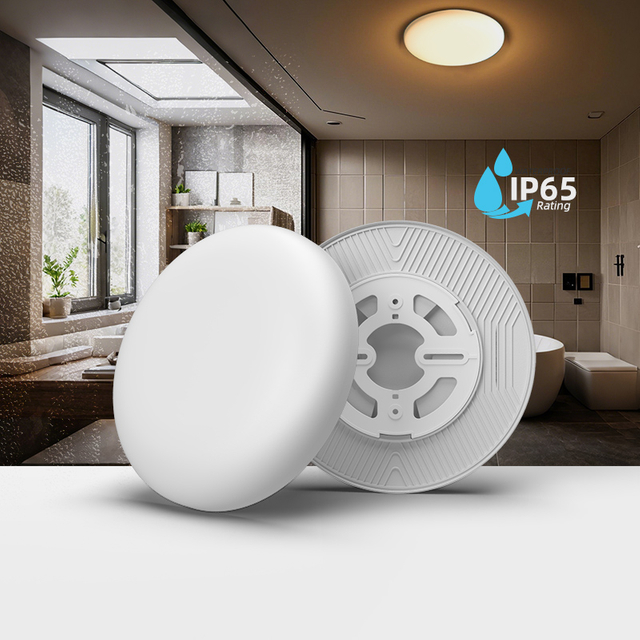
Vapor tight lights are specialized fixtures designed to deliver reliable illumination in challenging environments. These fixtures are engineered to withstand exposure to moisture, dust, and other contaminants, making them ideal for locations where standard lighting would fail. Common applications include warehouses, parking garages, food processing plants, and outdoor settings. The sealed design ensures that moisture and dirt do not compromise the light's performance, providing a consistent and safe lighting solution.
Vapor tight lights possess several key features that distinguish them from standard lighting options:

Sealed Housing: The fixtures come with a tightly sealed construction, protecting internal components from moisture and dust.
Durability: Made from robust materials like polycarbonate and aluminum, these fixtures resist corrosion and are impact-resistant.
High IP Ratings: Vapor tight lights typically have Ingress Protection (IP) ratings of IP65 or higher, indicating strong resistance to water and dust ingress.
Energy Efficiency: Many vapor tight fixtures use LED technology, offering significant energy savings and longer lifespans compared to traditional lighting options.
Shatterproof Lenses: The lenses are designed to withstand impacts and prevent breakage, ensuring safety in demanding environments.
Vapor tight lights are particularly well-suited for high bay settings due to their ability to provide effective illumination at greater heights. Here are some common applications:
Warehouses: In large storage facilities, vapor tight lights ensure visibility and safety, even in areas prone to humidity or dust.
Food Processing Plants: These fixtures meet stringent hygiene standards, providing bright, reliable light in environments where cleanliness is critical.
Car Washes: The sealed design protects the lights from water exposure, ensuring they remain operational despite constant wet conditions.
Outdoor Areas: Parking lots and loading docks benefit from vapor tight lighting, as these fixtures withstand weather elements while illuminating the space effectively.
By utilizing vapor tight lights in high bay settings, businesses can enhance safety, efficiency, and overall productivity. These fixtures not only provide the necessary illumination but also contribute to a safer working environment by reducing the risk of equipment failure due to moisture or dust exposure.
Tip: When selecting vapor tight lights, always check the IP rating to ensure they meet the specific environmental requirements of your facility.
Vapor proof lights are specially designed fixtures that provide exceptional protection against moisture, dust, and other contaminants. These lights are built to ensure reliable performance in environments where standard lighting would fail due to exposure to harsh conditions. Vapor proof lights are commonly used in industrial settings, kitchens, food processing areas, and other locations where moisture and contaminants are prevalent. Their construction allows them to operate safely and effectively, even in challenging environments.
The construction of vapor proof lights involves high-quality materials that ensure durability and longevity. Typically, these fixtures are made from:
Polycarbonate: This material is shatter-resistant and highly impact-resistant, making it ideal for environments where physical damage is a concern.
Reinforced Fiberglass or Stainless Steel: These materials resist corrosion and can withstand long-term exposure to humidity or chemicals.
Shatter-Resistant Lenses: The lenses are designed to prevent breakage and ensure safety in demanding environments.
Sealed Enclosures: Vapor proof lights feature tightly sealed designs that prevent moisture and dust from entering the fixture, ensuring consistent performance.
These materials and construction techniques result in lights that can withstand steam, splashes, and airborne particles, making them suitable for various applications.
Vapor proof lights excel in high bay settings, where effective illumination is essential, often at greater heights. Here are some of the best applications for vapor proof lights in such environments:

Food Processing Facilities: These lights meet stringent hygiene standards, providing bright, reliable illumination where cleanliness is critical.
Industrial Kitchens: Vapor proof fixtures are ideal for kitchens where exposure to moisture and grease is common, ensuring safety and functionality.
Car Washes: The sealed design protects lights from constant water exposure, ensuring they remain operational in wet conditions.
Warehouses and Loading Docks: Vapor proof lights offer reliable illumination in large spaces, enhancing visibility and safety for workers.
By selecting vapor proof lights for high bay applications, businesses can ensure safety and efficiency, reducing the risk of equipment failure due to environmental factors.
Tip: Always verify the IP rating of vapor proof lights to ensure they meet the specific environmental requirements of your facility.
When it comes to industrial lighting, understanding the distinction between vapor tight and vapor proof lights is crucial. Both types are designed to protect against environmental factors, but they differ significantly in their level of protection.
Vapor Tight Lights are engineered to resist moisture and dust, making them suitable for high humidity environments. They typically feature sealed housings and high Ingress Protection (IP) ratings, such as IP65. This means they can withstand water splashes and dust ingress, ensuring reliable performance in areas like warehouses and parking garages.
Vapor Proof Lights, on the other hand, offer a higher level of protection. They are built to endure harsher conditions, including exposure to corrosive elements and direct water contact. Vapor proof fixtures often have IP ratings of IP66 or higher, allowing them to operate safely in environments like food processing plants and industrial kitchens, where moisture and contaminants are prevalent.
Design plays a significant role in the effectiveness of high bay lighting. When selecting between vapor tight and vapor proof lights, consider the following:
Fixture Size and Shape: High bay lights often come in various forms, including linear and round designs. Choose a shape that fits your space and provides optimal light distribution.
Mounting Height: High bay fixtures are typically mounted at heights of 18 feet or more. Ensure the chosen light can deliver adequate illumination at this height.
Light Output: Look for fixtures with high lumen output to ensure sufficient brightness in large areas. Vapor proof lights often provide higher lumens, making them ideal for expansive industrial settings.
Material Durability: Consider the materials used in the fixture's construction. Vapor proof lights often use reinforced materials, such as stainless steel, which can withstand more demanding conditions than vapor tight options.
Cost is a vital factor when selecting lighting solutions for industrial applications. Generally, vapor proof lights tend to be more expensive than vapor tight fixtures due to their enhanced protection and durability. However, consider the following when evaluating costs:
Initial Investment vs. Long-Term Savings: While vapor proof lights may have a higher upfront cost, their durability can lead to lower maintenance and replacement costs over time, especially in harsh environments.
Energy Efficiency: Both types of lights can be energy-efficient, but vapor proof fixtures often use advanced LED technology, resulting in significant savings on energy bills.
Application Suitability: Choosing the right fixture for your environment can prevent costly downtime. Using a vapor tight light in a highly corrosive area may lead to premature failure, resulting in additional costs.
In summary, while both vapor tight and vapor proof lights serve essential functions in industrial settings, understanding their differences can help you make informed decisions. Evaluate your specific needs, including protection levels, design considerations, and cost implications, to select the best lighting solution for your high bay applications.
Tip: Always consult the manufacturer's specifications and IP ratings to ensure the chosen lighting fixtures meet your facility's environmental requirements.
Selecting the right high bay light fixtures is crucial for ensuring optimal performance and safety in industrial environments. Here are some key factors to keep in mind:
Height of Installation: High bay lights are typically installed at heights of 18 feet or more. The mounting height directly influences the type of fixture needed. Consider how much light output is required at that height to ensure adequate visibility.
Light Output: Measure in lumens, not watts. High bay areas often require fixtures with high lumen outputs—typically over 10,000 lumens for large spaces. Ensure the chosen fixture can deliver the necessary brightness for the specific application.
Beam Angle: The beam angle affects how light is distributed in the space. A narrow beam is suitable for focused areas, while a wide beam is better for general illumination. Consider the layout of your space when selecting the beam angle.
Environmental Conditions: Evaluate the conditions in which the lights will operate. If the area is prone to moisture, dust, or extreme temperatures, choose fixtures with appropriate IP ratings (Ingress Protection) to safeguard against these elements.
Energy Efficiency: Look for fixtures that offer energy-efficient options, such as LED technology. LED lights consume less energy and have longer lifespans, which can lead to significant savings on electricity bills and maintenance costs.
IP ratings indicate the level of protection a fixture provides against solids and liquids. Understanding these ratings is essential when choosing high bay lights for specific environments:
IP65: Dust-tight and protected against water splashes. Suitable for most industrial environments.
IP66: Offers protection against powerful water jets, ideal for areas exposed to heavy moisture.
IP67: Provides complete protection against dust and can withstand temporary immersion in water, making it suitable for wash-down areas.
When selecting high bay lights, ensure the IP rating aligns with the environmental conditions of the installation site.
Energy efficiency is a significant consideration when choosing high bay lights. LED high bay fixtures are often the best choice due to their low energy consumption and long lifespan. Here’s why:
Energy Savings: LED lights use up to 75% less energy than traditional lighting options, which translates to lower electricity bills.
Lifespan: High-quality LED fixtures can last over 50,000 hours, reducing the frequency of replacements and maintenance. This longevity is especially beneficial in high bay applications where access can be challenging.
Heat Emission: LEDs emit less heat compared to traditional bulbs, which helps maintain a cooler environment in industrial settings. This characteristic can be particularly valuable in temperature-sensitive areas.
By considering these factors, you can select high bay light fixtures that not only meet the lighting needs of your space but also contribute to energy efficiency and long-term cost savings.
Tip: Always consult lighting professionals or manufacturers to determine the best fixtures for your specific application and environment.
Jelly jar fixtures are compact, versatile lighting options that provide reliable illumination in various environments. Their unique design features a durable, shatter-resistant lens that protects the bulb from physical damage. Typically made from materials like polycarbonate or glass, these fixtures are ideal for small to medium-sized spaces, including commercial buildings, warehouses, and areas with high humidity.
Benefits of Jelly Jar Fixtures:
Durability: The robust construction ensures longevity, even in harsh conditions.
Versatility: Suitable for both indoor and outdoor applications, including entryways, parking lots, and car washes.
Easy Installation: These fixtures often come with straightforward mounting options, making installation quick and hassle-free.
Energy Efficiency: Many jelly jar fixtures utilize LED technology, leading to significant energy savings and lower maintenance costs.
Linear vapor tight light fixtures are designed for larger spaces, providing consistent and powerful illumination. These fixtures are ideal for environments requiring high levels of cleanliness and durability, such as garages, stairwells, car washes, and airports.
Applications of Linear Vapor Tight Fixtures:
Garages: Their sealed design protects against moisture and dust, ensuring safety and visibility.
Stairwells: These fixtures enhance safety by illuminating dark areas, reducing the risk of accidents.
Car Washes: The moisture-resistant design allows them to function effectively in wet conditions.
Airports: They provide reliable lighting in high-traffic areas, ensuring visibility for travelers and staff.
High bay vapor tight light fixtures are specifically engineered for large spaces with high ceilings, typically 18 feet or more. These fixtures provide powerful illumination and are built to withstand demanding conditions, making them perfect for warehouses, manufacturing facilities, and hangars.
Specifications of High Bay Vapor Tight Fixtures:
Lumen Output: High bay fixtures often deliver over 10,000 lumens, ensuring adequate brightness for expansive areas.
IP Ratings: Look for fixtures with high Ingress Protection ratings (IP65 or higher) to guarantee resistance against dust and water.
Energy Efficiency: Many high bay fixtures utilize LED technology, offering significant energy savings and long lifespans, often exceeding 50,000 hours.
Mounting Options: These fixtures come with various mounting options to suit different ceiling heights and configurations.
High bay vapor tight fixtures not only enhance visibility but also contribute to safety and efficiency in industrial settings. Their robust design ensures they perform reliably, even in challenging conditions.
Tip: When selecting high bay fixtures, consider the specific requirements of your environment, including height, IP ratings, and lumen output, to ensure optimal performance.
The lifespan of high bay lights can vary significantly based on the type of technology used and the specific operating conditions. Typically, LED high bay lights are designed to last between 50,000 to 100,000 hours. This extended lifespan is one of the primary reasons businesses opt for LED technology over traditional options like metal halide or fluorescent lights, which usually last around 15,000 to 20,000 hours. The long lifespan of LED lights not only reduces the frequency of replacements but also minimizes maintenance costs, making them a cost-effective solution in the long run.
Yes, high bay lights can be used outdoors, provided they are specifically designed for outdoor applications. It's essential to select fixtures with appropriate Ingress Protection (IP) ratings—ideally IP65 or higher—to ensure they can withstand exposure to moisture, dust, and other environmental factors. Outdoor high bay lights are commonly used in areas such as loading docks, warehouses, and outdoor sports facilities. When choosing outdoor fixtures, consider factors like durability, weather resistance, and energy efficiency to ensure optimal performance in challenging conditions.
High bay lights, particularly those utilizing LED technology, can lead to substantial energy savings. LED lights consume up to 75% less energy compared to traditional high-intensity discharge (HID) or fluorescent lights. For instance, if a facility replaces 1000-watt HID lights with 250-watt LED high bay lights, the energy savings can be significant. Additionally, LED lights have longer lifespans, which reduces replacement and maintenance costs. Over time, the combination of lower energy consumption and minimal maintenance can result in a return on investment (ROI) within a few years, making LED high bay lights a smart choice for businesses looking to cut costs and enhance efficiency.
Tip: To maximize energy savings, consider implementing lighting controls such as occupancy sensors and timers, which can further reduce energy consumption by ensuring lights are only on when needed.
Vapor tight and vapor proof lights offer essential solutions for industrial lighting needs. They provide durability, energy efficiency, and protection against harsh conditions. Choosing the right high bay light is crucial for safety and efficiency in various applications. Guangzhou Keou specializes in high-quality lighting solutions that enhance visibility and reduce maintenance costs. Their products are designed to meet the specific needs of industrial environments, ensuring reliable performance and value for your business.
A: High bay lights are specialized fixtures designed for illuminating large spaces with high ceilings, typically over 18 feet, making them ideal for warehouses, factories, and gymnasiums.
A: High bay lights, especially those using LED technology, consume significantly less energy compared to traditional lighting, resulting in lower electricity bills and reduced maintenance costs.
A: High bay lights provide powerful illumination, enhance safety, and are designed to withstand harsh conditions, making them perfect for industrial environments.
A: The cost of high bay lights can vary based on the technology and features, typically ranging from $50 to $300 per fixture, depending on specifications and brand.