
Author: Site Editor Publish Time: 07-07-2026 Origin: Site


Are you aware that effective office lighting can boost productivity by up to 30%? Many businesses overlook the impact of lighting on employee performance. In this article, we’ll explore the benefits of automatic office lighting, including how Flat Panel Light technology enhances work environments. Discover how these systems can save energy, improve employee satisfaction, and contribute to sustainability.

Automatic lighting systems are designed to optimize energy usage. By using timers and occupancy sensors, these systems ensure lights are only on when needed. For instance, lights can be programmed to turn off during non-business hours or when a room is unoccupied. This not only prevents wastage but also significantly reduces energy consumption. In fact, studies show that automated lighting can reduce energy use by up to 30% in office environments, leading to substantial savings.
The direct result of reduced energy consumption is a noticeable drop in monthly utility bills. Businesses often find that the initial investment in automatic lighting pays off quickly through lower energy costs. For example, a mid-sized office with automatic lighting can save hundreds of dollars each month. This reduction in expenses allows companies to allocate resources elsewhere, enhancing overall operational efficiency.
Over time, the financial benefits of automatic lighting extend beyond just lower utility costs. By investing in energy-efficient lighting solutions, businesses can also take advantage of government incentives and rebates aimed at promoting energy conservation. Additionally, automatic lighting systems often come with longer-lasting bulbs and fixtures, which means reduced maintenance and replacement costs. This combination of savings can lead to significant financial benefits over the lifespan of the lighting system, making it a smart investment for any business looking to improve its bottom line.
Tip: Consider conducting an energy audit to identify how much your business could save with automatic lighting solutions.
Starting the day in a well-lit environment can significantly enhance employee morale and productivity. Automatic lighting systems ensure that lights are turned on before employees arrive, creating a welcoming atmosphere. This simple adjustment can help employees feel more energized and ready to tackle their tasks right from the beginning. Studies suggest that exposure to bright light in the morning can improve mood and focus, which is crucial for a productive workday.
Distractions can severely impact productivity in the workplace. Automatic lighting helps minimize these distractions by maintaining consistent lighting levels throughout the office. Employees won't have to fumble for switches or adjust lights manually, allowing them to concentrate on their work. Additionally, lights that automatically adjust based on occupancy ensure that areas remain well-lit when needed, reducing the likelihood of dark spots that can disrupt focus. This seamless integration of light management helps create a more conducive work environment.
Meeting and conference rooms are often underutilized, leading to unnecessary energy consumption. Automatic lighting systems equipped with occupancy sensors address this issue effectively. These sensors detect when a room is occupied and automatically turn on the lights, ensuring that energy is not wasted when the room is empty. This not only saves energy but also enhances the experience for employees and clients. Imagine walking into a meeting room, and the lights automatically illuminate, creating an inviting atmosphere without any effort. This feature is particularly beneficial during busy workdays when employees may be preoccupied with other tasks.
Tip: Implementing automatic lighting solutions can significantly improve employee satisfaction and productivity, making it an essential consideration for modern office environments.
Dimming features in automatic office lighting play a crucial role in enhancing screen visibility. In today’s work environment, where employees frequently use computers and other digital devices, the balance between artificial light and screen brightness is essential. When lights are too bright, they can create glare on screens, making it difficult for employees to see clearly and causing eye strain. By incorporating adjustable dimming capabilities, offices can tailor the lighting to optimize comfort and productivity. This flexibility allows employees to focus better on their tasks without the distraction of harsh lighting.
Automatic dimming systems can be programmed to adjust lighting levels based on the time of day and specific activities. For instance, during morning hours, lights can gradually brighten to help employees ease into their workday. Conversely, in the afternoon, when natural light may be more abundant, dimming the artificial lights can create a more comfortable atmosphere. Additionally, certain activities may require different lighting conditions. For example, a presentation might benefit from brighter lights, while a brainstorming session may be more effective with softer lighting. This adaptability not only enhances the work environment but also supports varied tasks throughout the day.
Gradual lighting transitions are another significant advantage of automatic dimming systems. Sudden changes in lighting can be jarring and disruptive, impacting concentration and workflow. By implementing gradual transitions, offices can create a smoother experience for employees. For instance, lights can slowly dim at the end of the day, signaling the approach of closing time without abrupt changes. This method helps employees adjust both visually and mentally, promoting a more relaxed atmosphere. Furthermore, studies have shown that gradual lighting changes can positively influence mood and productivity, making it a beneficial feature in modern office settings.
Tip: Consider integrating adjustable dimming features in your office lighting to enhance screen visibility and create a more comfortable work environment for your employees.
Automatic office lighting systems play a significant role in minimizing electricity waste. By utilizing sensors and timers, these systems ensure that lights are only on when necessary. For instance, lights can automatically shut off in unoccupied areas, preventing unnecessary energy consumption. This approach not only conserves energy but also contributes to decreasing the overall carbon footprint of the office. Research indicates that offices can reduce their lighting energy consumption by as much as 30% through automation, leading to a substantial decrease in electricity waste.
Another critical environmental benefit of automatic lighting is the extension of lighting fixture lifespans. Traditional lighting systems often operate continuously, leading to more frequent replacements and increased waste. In contrast, automatic systems reduce the operational hours of lights, which helps fixtures last longer. For example, LED lights, when used in conjunction with automatic controls, can last up to 25,000 hours or more, compared to just 1,000 hours for incandescent bulbs. This longevity not only lessens the environmental impact associated with manufacturing and disposing of lighting fixtures but also reduces maintenance costs for businesses.
Implementing automatic lighting solutions aligns with broader sustainability initiatives that many companies are now prioritizing. By reducing energy waste and extending the life of lighting fixtures, businesses can significantly lower their environmental impact. Moreover, many organizations are seeking to achieve sustainability certifications, such as LEED (Leadership in Energy and Environmental Design). Automatic lighting systems can contribute to these efforts by demonstrating a commitment to energy efficiency and responsible resource management. This not only enhances a company's reputation but also appeals to environmentally conscious clients and customers.
In summary, the environmental advantages of automatic office lighting are substantial. From reducing electricity waste and extending the lifespan of fixtures to supporting sustainability efforts, these systems offer a practical solution for businesses looking to minimize their ecological footprint. By investing in automatic lighting, companies can play a vital role in promoting a greener future.
Tip: Consider integrating automatic lighting solutions in your office to not only save energy but also contribute to your sustainability goals.
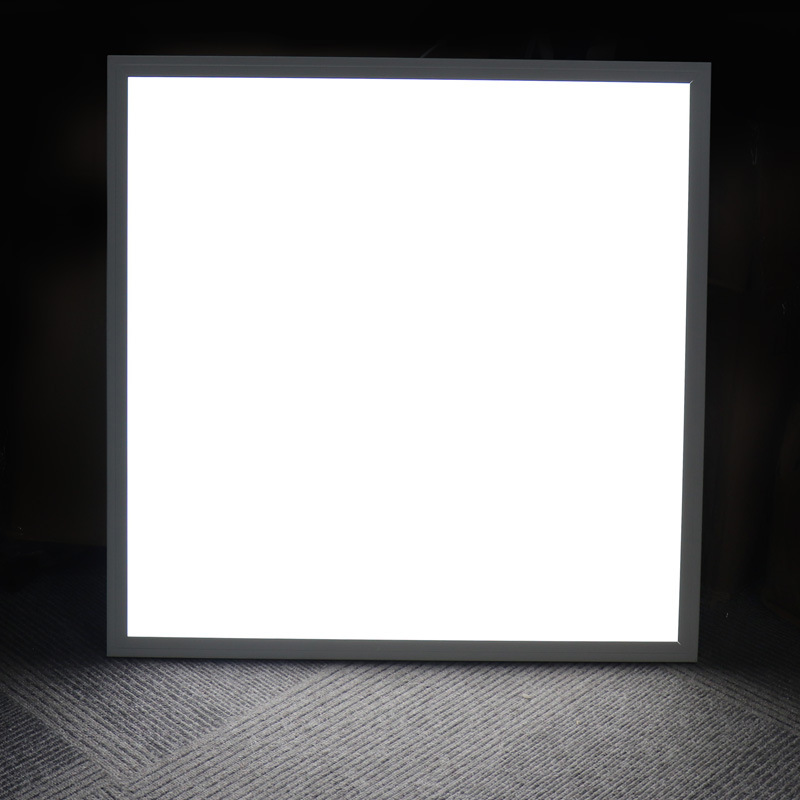
Flat Panel Light technology has revolutionized office lighting. These fixtures are sleek, lightweight, and energy-efficient, providing uniform illumination across workspaces. Unlike traditional lighting options, flat panel lights use LED technology, which consumes less energy while delivering high-quality light. This modern approach not only enhances visibility but also contributes to a more aesthetically pleasing office environment. Flat panel lights can be easily integrated into ceilings, making them ideal for various office layouts.
The integration of flat panel lights with smart office systems has further enhanced their functionality. By connecting these lights to a smart building management system, businesses can automate lighting based on occupancy, time of day, or even natural light levels. For instance, when a room is unoccupied, the lights can automatically turn off, saving energy. Additionally, smart controls allow employees to adjust lighting settings through mobile apps or voice commands, creating a personalized lighting experience. This level of control not only boosts energy efficiency but also enhances comfort and productivity.
As technology continues to advance, the future of office lighting automation looks promising. Innovations such as the Internet of Things (IoT) are paving the way for even smarter lighting solutions. For example, future flat panel lights may incorporate sensors that can detect employee presence and adjust lighting accordingly. Moreover, advancements in artificial intelligence could enable lighting systems to learn employee preferences over time, creating optimal lighting conditions tailored to individual needs. This evolution will not only improve energy efficiency but also create a more dynamic and responsive work environment.
In summary, flat panel lighting technology is at the forefront of office lighting advancements. Its integration with smart systems and the potential for future innovations position it as a key player in enhancing workplace productivity and sustainability.
Tip: Consider investing in flat panel lights to leverage the benefits of modern lighting technology and improve your office's energy efficiency.
Numerous companies have successfully integrated automatic lighting systems into their offices, reaping substantial benefits. For instance, a tech startup in Silicon Valley implemented an automatic lighting solution that adjusted based on occupancy and natural light levels. This move not only enhanced the aesthetic appeal of their workspace but also led to a 25% reduction in energy costs. Similarly, a large financial institution in New York City adopted automatic lighting in their conference rooms, resulting in improved employee satisfaction and a noticeable decrease in energy consumption during off-peak hours.
The measurable outcomes of these implementations are impressive. A recent study highlighted that businesses using automatic lighting systems reported an average energy savings of 30% annually. This translates to significant cost reductions, which can be reinvested into other areas of the business. Additionally, companies noted improved employee productivity, as consistent lighting levels reduced eye strain and distractions. For example, an office in Chicago found that their employees were able to concentrate better, leading to a 15% increase in project completion rates after installing automatic lighting.
Implementing automatic lighting systems comes with valuable lessons and best practices. First, it’s essential to conduct a thorough assessment of the office layout and employee needs before installation. Engaging employees in the planning process can help tailor the system to their specific requirements, ensuring maximum satisfaction and effectiveness. Second, regular maintenance and updates are crucial. Technology evolves, and keeping the lighting system up-to-date ensures optimal performance. Lastly, companies should monitor energy consumption and employee feedback continuously. By analyzing this data, businesses can make informed adjustments to their lighting systems, further enhancing productivity and energy efficiency.
In summary, the case studies of various companies illustrate the tangible benefits of automatic lighting systems. From energy savings to improved employee productivity, the advantages are clear. By learning from these examples, businesses can implement best practices that align with their goals, ultimately leading to a more efficient and enjoyable work environment.
Tip: Consider engaging your employees during the planning phase of automatic lighting installations to ensure the system meets their needs and enhances workplace satisfaction.
Automatic lighting systems significantly reduce energy consumption, leading to lower utility bills and long-term financial savings. They enhance employee morale and productivity by providing optimal lighting conditions. Flat Panel Light solutions offer sleek, energy-efficient designs that integrate seamlessly with smart systems. Investing in these technologies promotes workplace sustainability and improved productivity. Consider the benefits of automatic lighting for your office. Explore how Guangzhou Keou's innovative products can enhance your work environment and drive efficiency.
A: A Flat Panel Light is a sleek, energy-efficient lighting fixture that uses LED technology to provide uniform illumination in office spaces.
A: A Flat Panel Light reduces energy consumption by using sensors and timers to operate only when needed, leading to significant cost savings.
A: Investing in Flat Panel Lights not only lowers utility costs but also enhances employee productivity and satisfaction through better lighting conditions.
A: Flat Panel Lights equipped with occupancy sensors automatically illuminate meeting rooms, creating a welcoming atmosphere while conserving energy.
A: If your Flat Panel Light isn't functioning, check the power source, ensure connections are secure, and verify that the sensors are working correctly.


